Canada and Europe Reassess Defence Dependence as NATO Procurement Debate Gains Momentum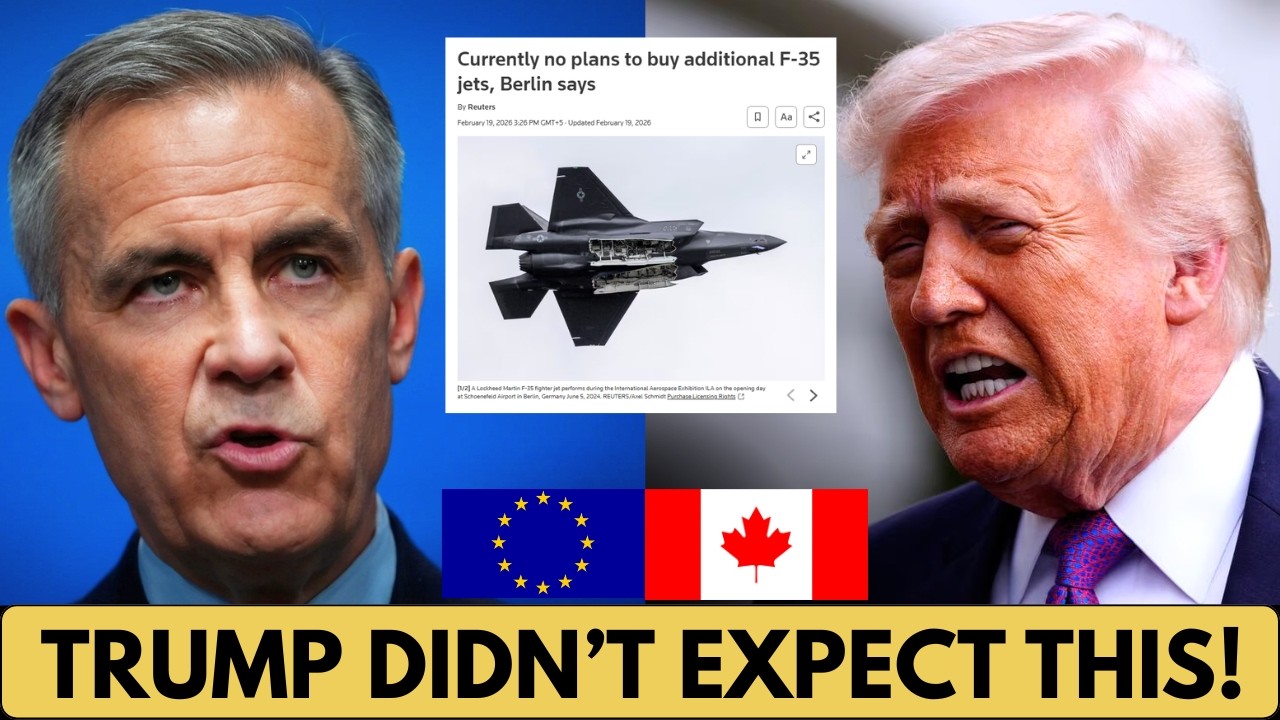
The future of Western defence cooperation has become an increasingly prominent topic in Ottawa and across European capitals, as governments reassess longstanding procurement strategies amid evolving geopolitical realities. Recent discussions surrounding military acquisitions, particularly advanced fighter aircraft and surveillance systems, have drawn attention to broader questions about strategic autonomy, alliance management, and the balance between national interests and collective security.
At the centre of the debate is the growing concern among some NATO members about reliance on a single defence supplier. While the alliance remains firmly united in its commitment to collective defence, policymakers are increasingly examining whether diversification of military procurement could strengthen long-term resilience and reduce potential vulnerabilities.
The discussion has gained traction following renewed pressure from the administration of Donald Trump regarding defence spending commitments among NATO allies. Although successive American administrations have raised similar concerns, recent developments have prompted renewed debate across Canada’s political landscape and within European institutions about the future structure of defence cooperation.
Across several European capitals, governments have accelerated military modernization efforts in response to changing security conditions. The war in Ukraine heightened concerns about readiness and deterrence, leading many countries to pursue rapid acquisitions of tanks, artillery systems, missile capabilities, and combat aircraft.
However, increased demand exposed significant capacity constraints within traditional defence supply chains. Several governments reportedly faced lengthy waiting periods for critical military equipment, creating pressure to explore alternative suppliers capable of delivering systems more quickly.
South Korea emerged as one of the major beneficiaries of this shift. Countries including Poland, Romania, Finland, and Spain pursued agreements involving various military platforms, initially viewed by many observers as temporary measures designed to address urgent operational requirements.
Over time, however, the conversation expanded beyond procurement timelines and costs. Policymakers increasingly began examining questions surrounding long-term strategic dependence, particularly in relation to advanced military technologies that require continuous software support, maintenance services, spare parts, and technical upgrades.
The debate became especially visible through discussions surrounding the Lockheed Martin F-35 Lightning II fighter program. Although public speculation circulated regarding alleged remote-control mechanisms, the more substantive concern focused on the broader ecosystem that supports modern military aircraft and the extent to which allied nations depend on American infrastructure to sustain operational capabilities.
For Canada, the issue has acquired particular significance. Ottawa had already committed to acquiring F-35 fighter aircraft, yet trade tensions with Washington reportedly contributed to a review of aspects of the procurement process and future defence commitments. What initially appeared to be a routine policy discussion gradually evolved into a broader debate about sovereignty, strategic flexibility, and defence planning.
Analysts noted that major military contracts increasingly intersect with wider diplomatic and economic considerations. Defence purchases involving tens of billions of dollars are rarely viewed solely through a military lens, especially when trade disputes and political disagreements are occurring simultaneously.


The discussion extends beyond fighter aircraft. European officials have reportedly considered alternatives to traditional American systems in areas such as airborne surveillance and intelligence gathering, sectors that have historically been dominated by U.S. manufacturers.
One proposal that attracted attention involved consideration of the GlobalEye surveillance platform developed by Saab. While highly technical in nature, the debate reflects a larger political question concerning who controls critical systems, software updates, and operational data during periods of crisis.
European policymakers have also advanced initiatives encouraging member states to purchase a greater share of defence equipment from within Europe. Supporters argue that strengthening domestic industrial capacity could improve strategic flexibility while supporting economic development and technological innovation across the continent.
These developments have created an unusual dynamic for Washington. Defence spending among NATO members is increasing substantially, yet not all of that new investment is flowing toward American manufacturers. As a result, the discussion has become as much about industrial policy as it is about military capability.
Trust remains a central theme throughout the debate. While alliance structures remain intact and American military capabilities continue to play a dominant role within NATO, some governments are examining how to reduce potential dependencies without undermining collective security arrangements.
Critics of rapid diversification caution that excessive fragmentation could complicate interoperability among allied forces. NATO’s effectiveness has long depended on shared standards, integrated planning, and compatible technologies, making procurement decisions particularly consequential.
Supporters of a more diversified approach argue that a broader supplier base could enhance resilience by reducing bottlenecks and encouraging competition. They contend that strategic autonomy does not necessarily conflict with alliance solidarity and may ultimately strengthen the partnership.
The evolving debate has also highlighted widening divisions within Parliament and among policymakers in several allied countries regarding the appropriate balance between national control and multinational integration. Questions surrounding procurement strategy increasingly intersect with broader discussions about sovereignty, economic security, and geopolitical influence.
Meanwhile, government leaders have generally offered carefully measured responses, emphasizing that NATO remains the cornerstone of transatlantic security while acknowledging legitimate concerns about supply chains, industrial capacity, and long-term strategic planning.
In Ottawa, these discussions have raised broader concerns about government accountability and future defence investments. Policymakers face pressure to ensure that procurement decisions serve both operational requirements and Canada’s broader national interests.
The issue has become particularly relevant as Canada evaluates how best to position itself within an evolving international security environment. Decisions regarding fighter aircraft, surveillance systems, and industrial partnerships are increasingly viewed as strategic choices that could shape the country’s defence posture for decades.
The broader significance extends beyond individual contracts. Defence procurement is becoming a reflection of changing geopolitical relationships, economic priorities, and perceptions of reliability among allies operating in an increasingly complex global environment.
As Canada and its European partners continue to assess future defence requirements, policymakers face difficult questions about balancing alliance commitments with the desire for greater strategic flexibility. While NATO remains united, the conversation surrounding procurement choices has become a significant political issue that continues to attract attention across the Western alliance.
Ultimately, the debate reflects deeper questions about how democratic allies should manage security cooperation in an era marked by geopolitical uncertainty, technological dependence, and shifting power dynamics. Whether greater defence independence strengthens NATO or creates new challenges remains uncertain, and the debate remains unresolved within Canada’s broader political landscape.






