Canada Weighs Defence Independence as NATO Procurement Shifts Away from Washington
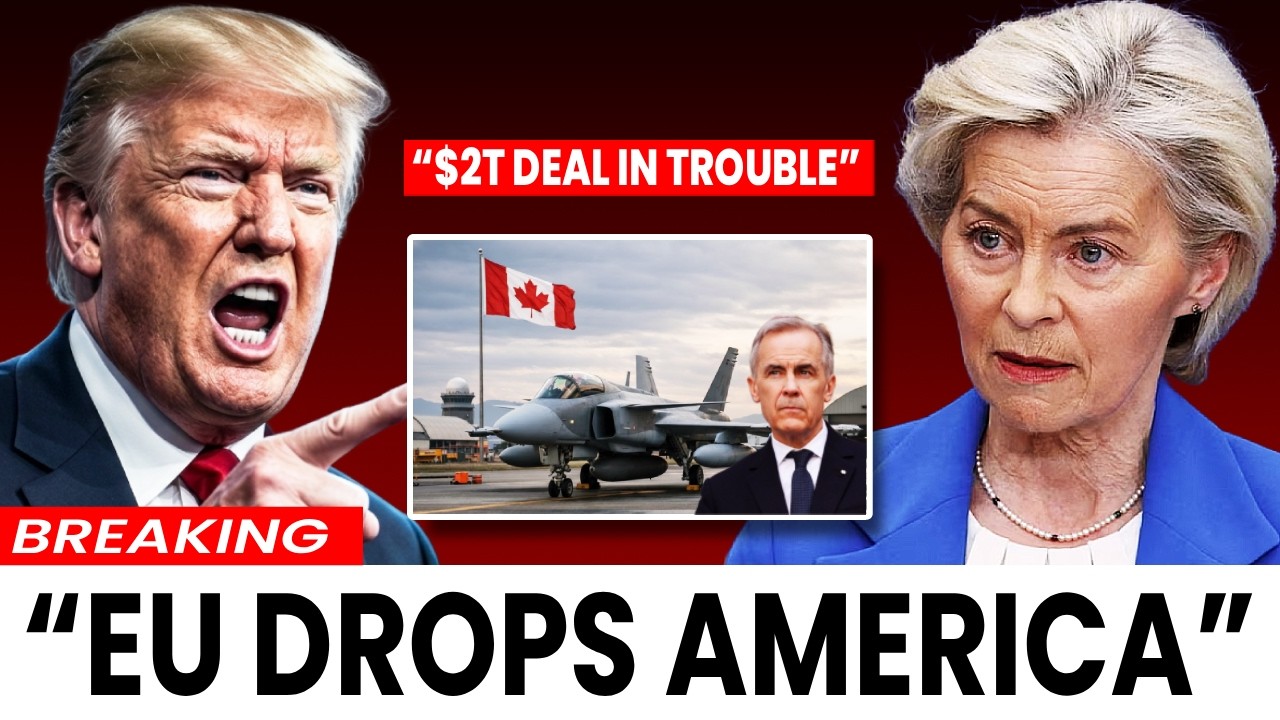
Canada’s defence policy debate is increasingly unfolding against a backdrop of broader changes across the NATO alliance, as European governments reconsider long-standing assumptions about military procurement, strategic autonomy, and reliance on American defence systems. The discussion has gained particular relevance in Ottawa as questions surrounding Canada’s F-35 fighter jet program intersect with evolving trade tensions and shifting geopolitical priorities.
The transcript describes a period in which several European allies have begun reassessing their dependence on U.S.-supplied military equipment. Concerns emerged after renewed debate over American security commitments under President Donald Trump, whose administration pressed NATO members to substantially increase defence spending while also questioning aspects of the alliance’s traditional security arrangements.
European governments that historically relied heavily on American defence manufacturers are now exploring alternative suppliers. According to the discussion, countries including Poland, Spain, Romania, Estonia, Finland, and others have expanded purchases from South Korea, particularly in areas such as tanks, artillery systems, and missile launchers. The trend has prompted renewed debate across Canada’s political landscape about whether similar diversification strategies may become necessary in the future.
At the centre of the debate is a broader concern about strategic flexibility. European policymakers increasingly argue that national security depends not only on military capability but also on the ability to maintain independent access to equipment, maintenance systems, and supply chains during periods of political uncertainty.
The transcript highlights concerns in Germany regarding its planned acquisition of American-built F-35 fighter aircraft. Reports questioning whether future access to critical systems could become vulnerable to political disputes have contributed to wider discussions throughout Europe about defence sovereignty and operational control.
At the same time, South Korea has emerged as a significant beneficiary of changing procurement priorities. Large contracts involving K2 tanks, K9 howitzers, FA-50 aircraft, and other systems have expanded Seoul’s presence in the European defence market. Governments facing pressure to modernize armed forces quickly have reportedly been attracted by shorter delivery schedules and lower acquisition costs.
Meanwhile, European leaders have also examined alternatives to traditional American-led surveillance infrastructure. NATO discussions surrounding the replacement of aging airborne warning systems have reportedly shifted attention toward Sweden’s Saab GlobalEye platform, reflecting a growing desire among some allies to reduce critical dependencies on external suppliers.


The GlobalEye debate carries significance beyond a single procurement decision. As outlined in the transcript, supporters view it as a symbol of Europe’s effort to exercise greater control over key defence capabilities, including surveillance, command, and intelligence systems that have traditionally relied on American technology and support networks.
Alongside these procurement discussions, the European Union has introduced major initiatives aimed at strengthening its own defence industrial base. The SAFE financing mechanism, valued at approximately €150 billion according to the transcript, encourages governments to direct defence spending toward European manufacturers while limiting dependence on suppliers outside the European framework.
These developments have raised concerns among American defence companies, which for decades benefited from Europe’s heavy reliance on U.S.-made military equipment. The transcript argues that growing defence budgets across NATO are not necessarily translating into equivalent gains for American contractors, as more contracts are increasingly being awarded to European or non-American firms.
For Ottawa, however, the issue extends beyond developments in Europe. Canada’s own defence procurement decisions have become intertwined with broader economic and political considerations, particularly regarding relations with Washington and future trade negotiations.
In 2023, Canada committed to purchasing 88 F-35A fighter aircraft from Lockheed Martin to replace the aging CF-18 fleet. According to the transcript, the initial contract covered the first 16 aircraft, while questions surrounding the remaining jets became increasingly significant after renewed trade tensions emerged between Canada and the United States.
The transcript states that Prime Minister Mark Carney ordered a review of the full procurement program in 2025 following escalating economic disputes with Washington. That review, according to the discussion, remained ongoing as policymakers weighed military requirements against broader strategic and economic considerations.
Supporters of maintaining flexibility argue that the remaining aircraft represent significant leverage during ongoing negotiations between Ottawa and Washington. Because billions of dollars would ultimately flow through the broader F-35 supply chain, procurement decisions may carry implications extending well beyond defence policy alone.
Saab has sought to position itself as an alternative supplier by promoting the Gripen E fighter aircraft. The company reportedly emphasized domestic assembly opportunities, Canadian industrial participation, and the possibility of maintaining greater national control over infrastructure and operational support.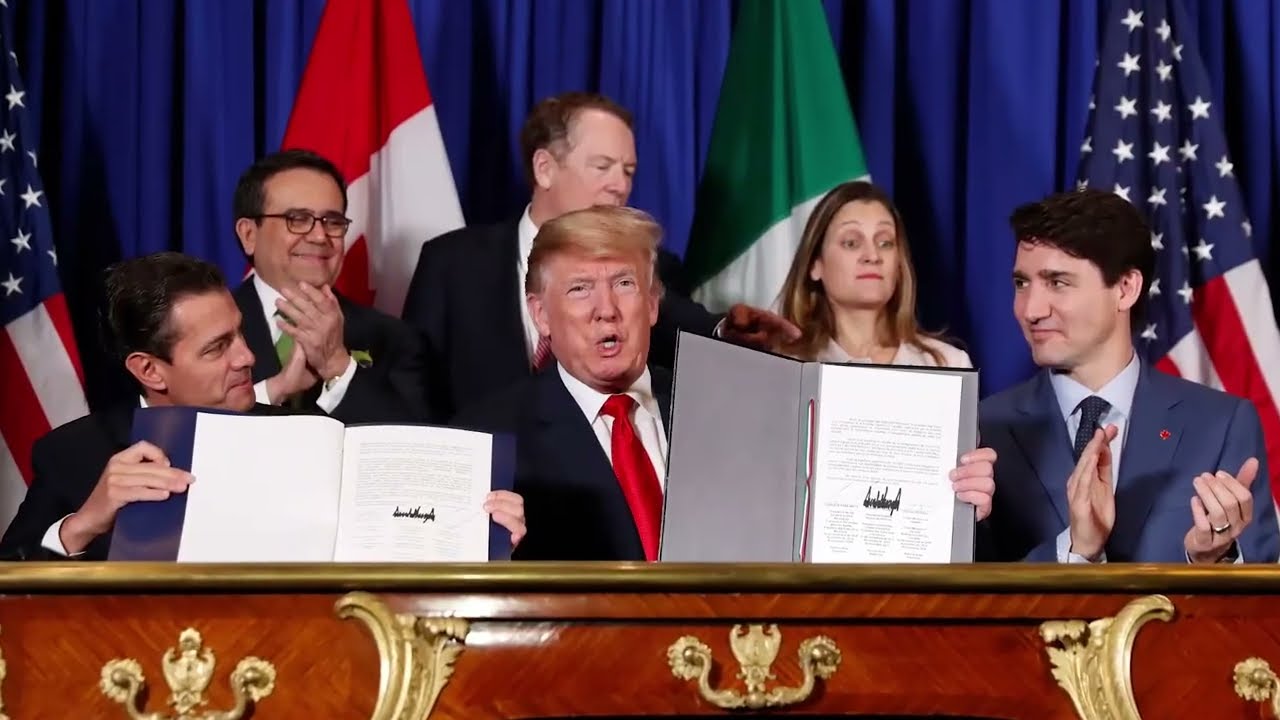
The transcript also notes concerns surrounding aspects of the F-35 program itself, including long-term sustainment costs, software dependence, and maintenance arrangements linked to American systems. These factors have contributed to growing scrutiny in Ottawa regarding how Canada balances interoperability with allies against the desire for greater operational autonomy.
At the same time, the federal government has continued preserving multiple options. According to the transcript, Ottawa has maintained payments associated with long-lead procurement components while avoiding a final commitment regarding all remaining aircraft. Such an approach allows policymakers to adapt as trade discussions and broader bilateral relations evolve.
Political observers note that the debate increasingly reflects larger questions about Canada’s place within a changing international environment. The issue is no longer solely about replacing fighter aircraft; it has become part of a wider discussion concerning sovereignty, industrial strategy, alliance management, and long-term economic interests.
The transcript further suggests that Canada has assembled advisory expertise from major business leaders and former political figures as preparations continue for potentially consequential trade negotiations with the United States. Those discussions could significantly influence future procurement decisions and broader economic policy.
As NATO members continue increasing defence spending, the central question facing Canada is whether traditional procurement assumptions remain sufficient in a period marked by geopolitical uncertainty and evolving alliance dynamics. Ottawa’s response may ultimately shape both Canada’s defence posture and its economic relationship with key partners.
While opinions differ on whether greater European and Canadian defence independence would strengthen or weaken the Western alliance, the discussion illustrates how procurement decisions have become increasingly connected to questions of political leverage, industrial resilience, and strategic autonomy. For Canada, the debate remains unresolved within Canada’s broader political landscape.






