Canada Rethinks Security as Trump’s Return Reorders North American Stability
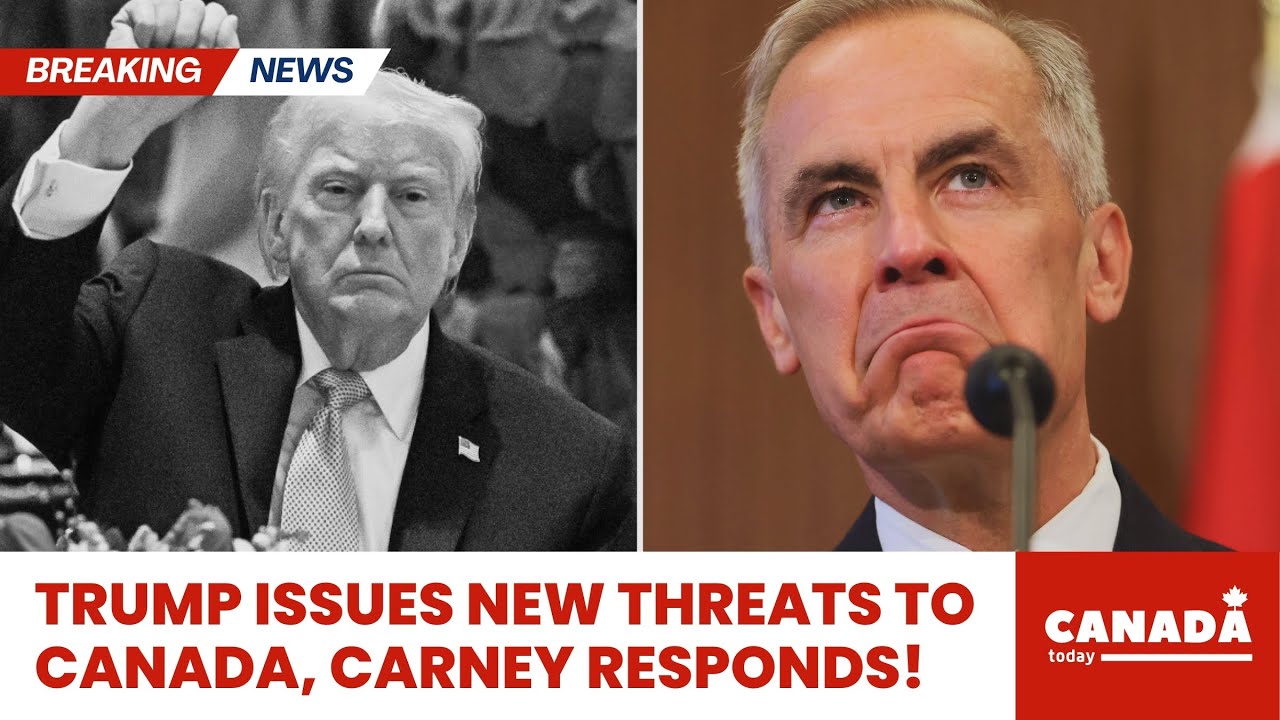
With U.S. power politics back at center stage, Ottawa is accelerating defense plans—arguing that sovereignty can no longer rest on goodwill alone.
OTTAWA — Every generation faces a moment when long-standing assumptions about security and stability begin to erode. For Canada, that moment may be arriving now. As Donald Trump once again shapes American foreign and trade policy, Canadian leaders and defense analysts say the international environment has become less predictable—and more dangerous for a country that has long relied on alliances, diplomacy, and restraint.
The concern is not rooted in rhetoric alone. Trump’s governing style, analysts note, has historically emphasized pressure, leverage, and transactional relationships over institutional stability. Trade agreements become bargaining chips. Alliances turn conditional. And when Washington’s posture hardens, Canada—geographically close, economically intertwined, and militarily aligned—absorbs the shock almost immediately.
That reality helps explain why defense, sovereignty, and military readiness have surged to the top of Prime Minister Mark Carney’s agenda. Officials close to the government describe the shift not as militarization, but as risk management. “You don’t prepare because you want conflict,” one senior defense adviser said. “You prepare because assuming stability is no longer responsible.”
Trade Tensions as a Warning Signal
For many Canadians, the first jolt came through economics rather than military planning. Trump has repeatedly signaled skepticism toward the United States–Mexico–Canada Agreement, known in Canada as CUSMA and in Washington as USMCA. During past negotiations, Trump described Canada as benefiting unfairly and openly threatened to walk away—language that sent markets and policymakers scrambling.
Even if such threats are partly negotiating tactics, economists warn that uncertainty itself carries consequences. Canada’s economy remains tightly linked to U.S. demand, and the prospect of renewed tariffs comes as growth cools and inflation pressures linger. “A single decision in Washington can ripple through Canadian employment within weeks,” said one Toronto-based trade analyst. “That vulnerability hasn’t disappeared.”
But what has changed, security experts argue, is the scope of the risk. Trade disputes once seemed like isolated economic battles. Now they are viewed as part of a broader pattern of coercive leverage.
From Economics to Exposure
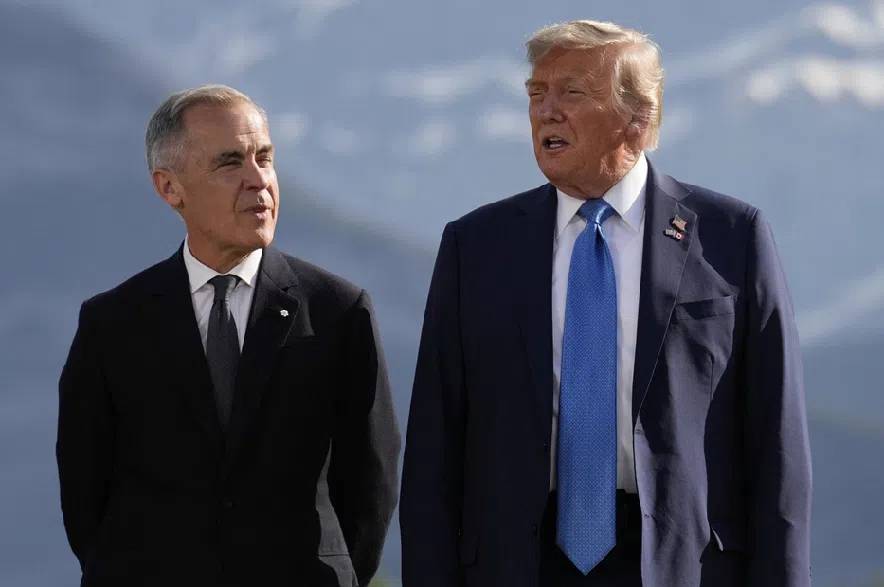
Trump’s recent signals on global security have sharpened those concerns. His administration has demonstrated a willingness to project U.S. power assertively, whether through sanctions, military posturing, or public threats. Analysts caution that when Washington escalates abroad, consequences rarely remain contained.
“Strategic rivals don’t see conflict in neat compartments,” said a former Canadian intelligence official. “They see alignment and proximity. Canada doesn’t have to provoke anything to become exposed—it’s exposed by association.”
That exposure is heightened by geography. Canada shares the world’s longest undefended border with the United States and vast northern approaches that are becoming more accessible as climate change reshapes the Arctic. Russia, China, and other powers have shown growing interest in northern routes and resources, transforming what was once a remote frontier into a strategic crossroads.
Rhetoric That Can’t Be Ignored
Adding to the unease is Trump’s long-standing rhetorical posture toward Canada. His past remarks—suggesting economic domination, questioning sovereignty, or joking about annexation—were once dismissed as bluster. Today, many analysts say they deserve closer scrutiny.
“Language reveals mindset,” said a professor of security studies at Carleton University. “Trump views power in terms of exploitation and dominance. That doesn’t mean tanks tomorrow. It means leverage whenever vulnerability appears.”
The concern is not literal annexation, experts emphasize, but the strategic logic behind such comments. A weakened partner becomes easier to pressure. Dependence becomes influence. In that framework, Canada’s sovereignty is not abstract—it is something to be actively protected.
Carney’s Calculated Shift
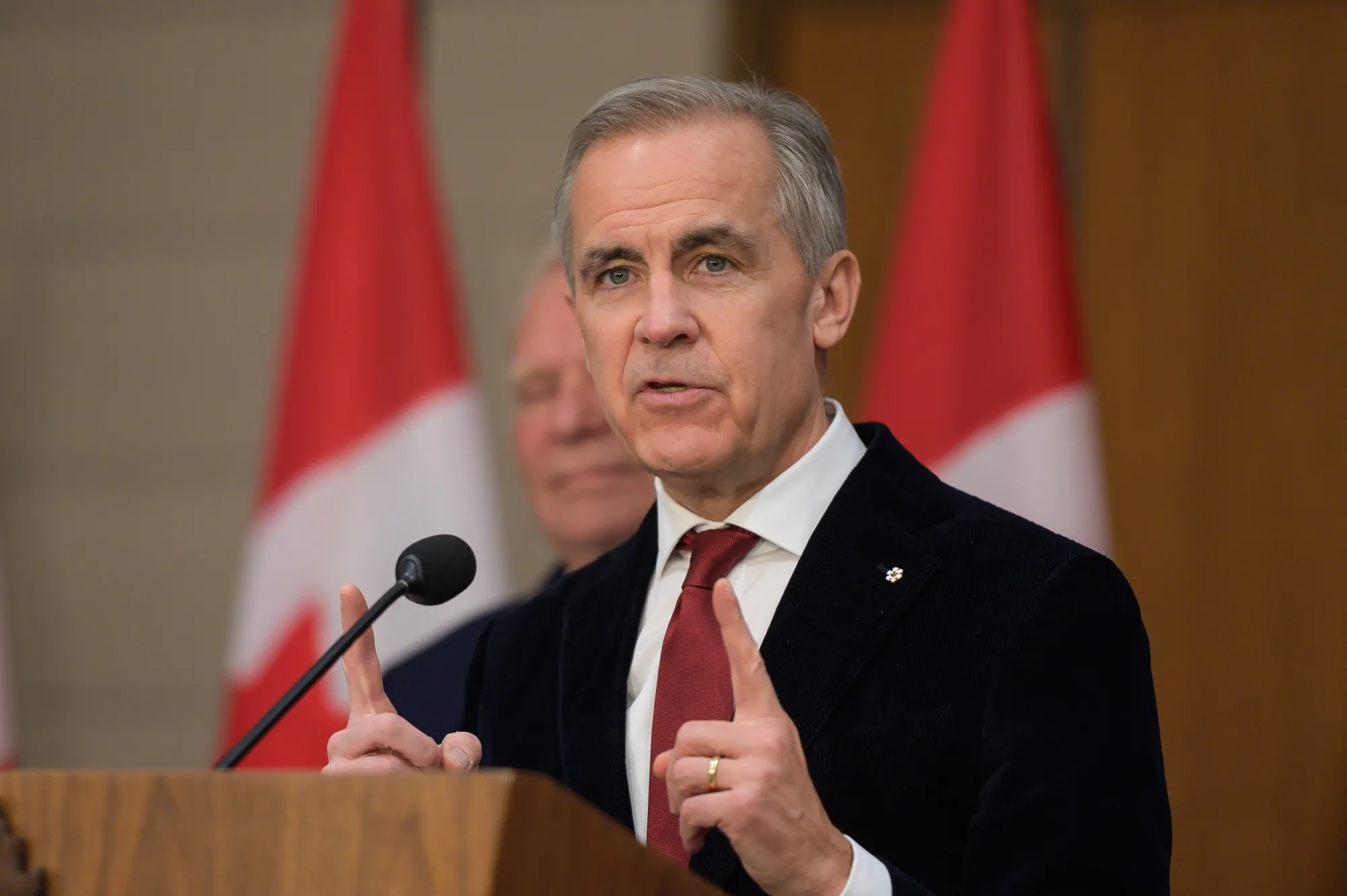
Carney’s response has been to accelerate long-discussed defense modernization. The government has committed more than $80 billion in new defense spending over the coming years, with particular focus on Arctic security, mobility, and rapid response.
One concept under serious consideration is acquiring amphibious landing capability—ships able to transport troops, vehicles, and supplies across vast distances without relying on ports. Such platforms are standard among major powers, including the United States, Australia, and China. Canada, despite its extensive coastline and remote northern communities, has never possessed one.
Military planners argue the gap is increasingly untenable. In internal assessments, they modeled scenarios involving emergencies in the high Arctic during winter months. Airlift alone, they concluded, could not sustain long-term operations. An ice-capable amphibious vessel could function as a mobile base, enabling disaster response, sovereignty patrols, and allied cooperation.
“This isn’t about preparing for invasion,” said the commander of the Royal Canadian Navy in recent testimony. “It’s about ensuring we can operate on our own territory when conditions are worst.”
Sovereignty in a Harder World
Supporters of the shift stress that Canada is not abandoning its identity as a cooperative, diplomatic nation. Rather, they argue, it is acknowledging a distinction long blurred in public debate: peace as a value versus peace as a guarantee.
“In a world shaped by coercion, goodwill alone doesn’t deter pressure,” said a former defense minister. “Capability does.”
Critics counter that increased defense spending risks normalizing militarization and diverting resources from social priorities. Government officials respond that vulnerability carries its own costs—and that preparedness reduces, rather than invites, confrontation.
A Defining Choice

The stakes extend beyond hardware and budgets. As Trump’s influence reshapes U.S. policy, Canada faces a broader question about how it defines security in an era of uncertainty. Can a middle power rely primarily on norms and alliances when its closest partner views relationships as transactional? Or must sovereignty be reinforced through tangible capability?
For Carney, the answer appears settled. “Restraint without readiness,” one adviser said, “is not morality. It’s exposure.”
Canada’s leaders insist their goal remains peace, cooperation, and stability. But they are no longer willing to assume those outcomes are guaranteed by history or goodwill. In a world where unpredictability is becoming the norm, they argue, dignity lies in preparedness.
Strength, in this framing, is not provocation. It is protection. And for Canada, it may be the price of remaining exactly what it has always claimed to be: a sovereign nation that chooses peace—because it has the means to defend it.






