BUDAPEST — After sixteen years of unchallenged power, the Hungarian political landscape has been shaken to its core. Viktor Orbán, who had positioned himself as an icon of European conservative forces and the fiercest opponent of the Brussels bureaucracy, suffered an unexpected and painful electoral defeat.
On April 13, 2026, Hungarian voters decided to give Péter Magyar a vote of confidence, ending an era marked by sovereignty and “opening to the East.” But at the very moment when the Hungarian prime minister’s political influence began to wane, a message came from the Kremlin that hit the entire European Union like a cold shower.
According to information from Vladimir Putin’s inner circle, Moscow sees Orbán’s downfall not just as the loss of an ally, but as a catalyst for the fatal weakening of the European Union. Kirill Dmitriyev, a confidant of the Russian president, commented on the change of power in Hungary with a single icy sentence: “This will only accelerate the collapse of the European Union.
Let them see in four months whether I was right.” This statement is not just a political opinion; it is a dark prophecy that Viktor Orbán was the last barrier protecting the continent from complete energy and economic collapse.

The end of pragmatism and the bill submission
Viktor Orbán has been fighting a lonely battle against EU sanctions for years, arguing that they do not affect Russia, but European families and the middle class. Budapest was the last capital to maintain open channels of communication with Moscow, ensuring the continuous flow of cheap Russian gas and oil through the Druzhba pipeline.
However, with the rise to power of Péter Magyar, this pragmatic balance was upset. Brussels immediately submitted the bill to the new government: in exchange for the frozen €35 billion, Budapest must approve a €90 billion loan for Ukraine and give up all veto rights over Russian sanctions.
Hungarian voters, who voted for the change in the hope that the EU billions would bring prosperity, are now facing the brutal force of reality. Péter Magyar already admitted at his first press conference that his government would allow the financing of the Ukrainian war budget. This turn of events will not only burden the Hungarian budget, but also directly endanger the country’s energy security. If Russian energy imports are stopped, the era of utility cuts will end, and Hungarian families could face the same inflationary pressures that have already brought Western Europe to its knees.
The “perfect storm” and a test of EU solidarity
According to Konstantin Kosachev, the influential vice-chairman of the Russian Federation Council, Orbán’s departure will unleash a “perfect storm” on the EU. The 90 billion Ukrainian aid is blowing a huge hole in the EU’s coffers, while skyrocketing energy prices are causing discontent among the population.
From Moscow’s perspective, the EU is leading itself to the slaughterhouse by eliminating the last voice that argued for common sense and economic realities. Without Viktor Orbán, there is no one left who would be able to mediate between the parties, and this is a direct path to escalation.
Hungary: Brussels Dictatorship Instead of Sovereignty?
Supporters of the Orbán government, in the columns of media outlets such as Origo or Magyar Nemzet, talk about giving up independence and “Judas money”.
According to them, Péter Magyar’s submission to LGBT ideology, the migration pact and Brussels’ budgetary constraints means the end of national self-determination.
In the shadow of daily fines of one million euros, Budapest’s room for maneuver has been reduced to a minimum. The question is no longer whether Hungary can maintain its special path policy, but whether it will be able to survive the economic shock caused by the severance of ties with the East.
The German Parallel and Continental Fear
The events in Hungary have not gone unnoticed in Berlin either. The government of German Chancellor Friedrich Merz, which is itself struggling with economic stagnation and high energy prices, is watching the change in Budapest with mixed emotions.
While Brussels is celebrating, many fear that tempers will truly flare after Orbán’s downfall. If Dmitriev’s prediction comes true and the EU’s internal tensions explode within four months, the disappearance of the “Hungarian problem” will only be the beginning of a much larger, continental collapse.
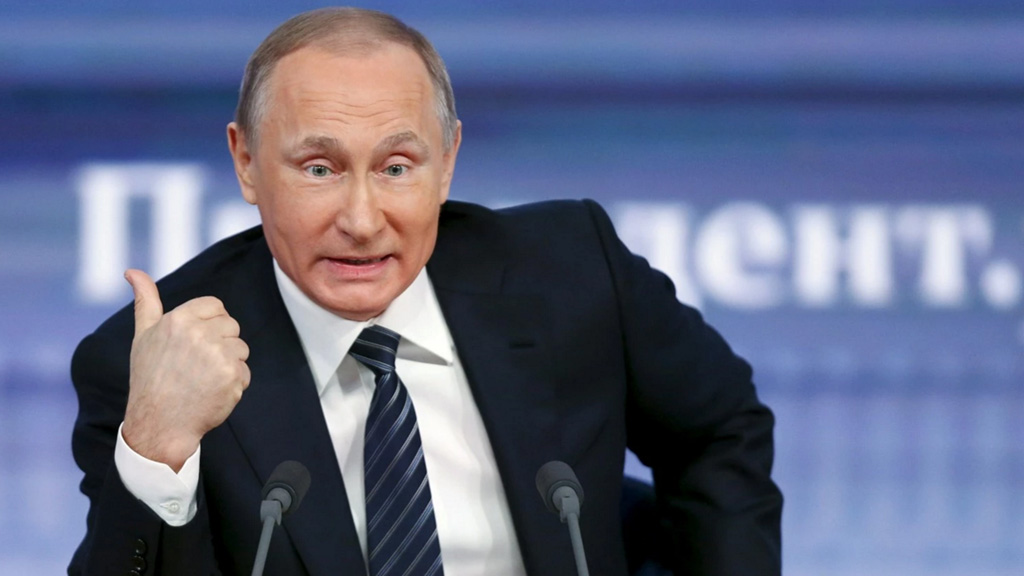
The Druzhba pipeline: The remaining trump card
The fate of the Druzhba oil pipeline is now the most important issue. Kiev has previously indicated that it intends to block the supply if Hungary does not show greater willingness to support it.
Viktor Orbán has fended off this blackmail, but the fate of the pipeline under the new government is uncertain. If Moscow decides to declare Hungary an “unfriendly country” — as spokesman Dmitry Peskov has already suspected — then shutting off the oil taps could lead to an energy disaster in Central Europe within minutes.
The power of the popular will and the media
The election campaign in Hungary was characterized by a media war. While the opposition campaigned with the slogan “freedom and Europe”, the pro-government media warned of the danger of “drifting into war” and “economic suicide”.
Voters ultimately chose change, but instead of the promised EU billions, they only received new conditions and obligations. This disappointment could quickly lead to political instability, which could prove Dmitriev’s four-month prediction.
Putin’s silent warning
The Kremlin has not sent congratulations to the new Hungarian government. Peskov’s statement that “we do not send flowers to unfriendly countries” is a clear signal. For Russia, Hungary is no longer a special partner, but another enemy bastion.
Putin’s strategy now is to wait and see: let the European Union crumble due to its own ideological and economic contradictions. According to the Russian president, Orbán was the last person to try to save the EU from itself.
Four months to collapse?
Dmitriev’s words — “Check in four months” — ring ominously. This period falls just at the beginning of the energy peak season. If Hungary and the EU fail to find a solution to replace the lost Russian resources, and if the financing of the war in Ukraine consumes the remaining reserves of the member states, then the internal social tensions could become truly unmanageable. Populist forces across Europe — from Germany to France — are ready to exploit this crisis.
Orbán’s legacy and the uncertainty of the future
After the fall of Viktor Orbán, Hungarian politics entered a dark tunnel. According to the former prime minister’s supporters, he was the only one who understood the global game and who was able to protect Hungarian families from the interests of great powers.
According to his opponents, his policies led to isolation. The truth lies somewhere in between, but history’s verdict will be written by the economic indicators of the coming months and the fate of European unity.
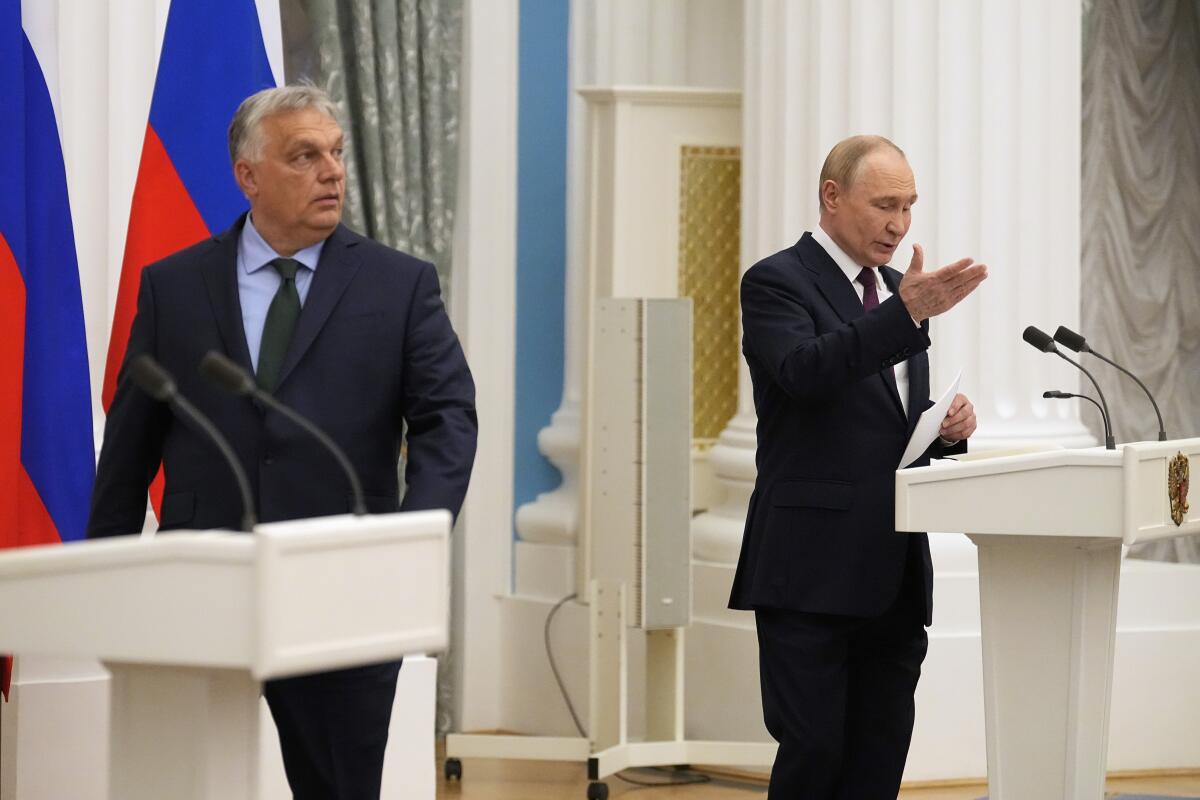
Conclusion: Europe at a Crossroads
The departure of Viktor Orbán from the front lines of big politics marks the end of an era. The dam has broken, and the question is no longer whether Hungary will return to the European mainstream, but whether this mainstream can survive.
Putin and his circle are confidently awaiting collapse, while Brussels is celebrating its victory. But as the saying goes: let’s not drink to the bear’s skin. If Dmitriev is right, we are facing the most difficult four months in the history of the European Union.






