Washington — The White House found itself under renewed political pressure this week after House Democrats escalated demands for accountability at the Department of Homeland Security, calling for the removal of Secretary Kristi Noem following a series of fatal Immigration and Customs Enforcement operations in Minneapolis. The standoff has deepened partisan tensions in Washington and raised the prospect of prolonged congressional confrontation during an already volatile election cycle.
The calls intensified after reports confirmed that multiple civilians, including at least one U.S. citizen, were killed during enforcement actions linked to federal immigration operations. Democratic lawmakers argued that the incidents reflected systemic failures in oversight and use-of-force protocols, demanding immediate leadership changes at the department. Several members warned that refusal to act could trigger formal impeachment inquiries targeting senior Homeland Security officials.
President Donald Trump, according to advisers and congressional aides familiar with internal discussions, reacted angrily to the ultimatum. While the White House has not confirmed specific details of private meetings, officials acknowledged that the president views the demands as a politically motivated effort to undermine his immigration agenda. In public statements, Mr. Trump defended Ms. Noem as a “tough and effective” administrator and accused Democrats of exploiting a tragic incident for partisan gain.
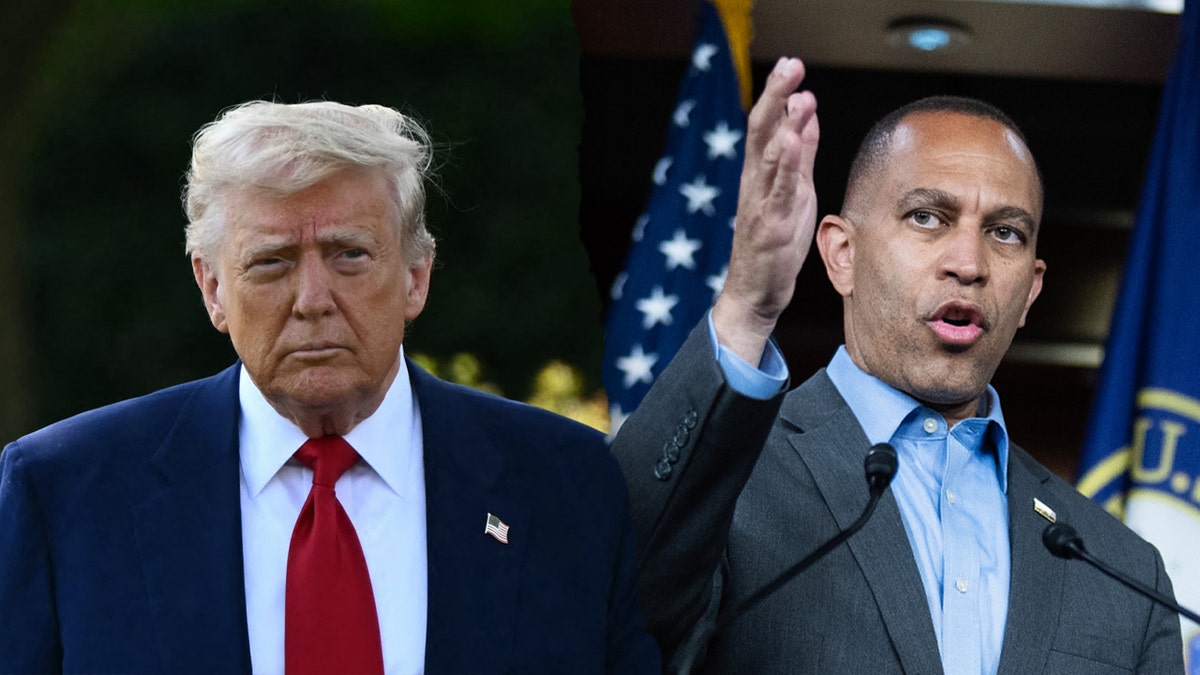
House Democratic leaders framed their position as a matter of public safety rather than politics. “This is about accountability and the rule of law,” said Hakeem Jeffries, emphasizing that Congress has a constitutional responsibility to oversee executive agencies. Mr. Jeffries added that the leadership dispute reflected broader concerns about enforcement transparency and civilian protections.

The confrontation comes as lawmakers face looming deadlines over government funding, increasing the risk that the dispute could spill into budget negotiations. Several centrist Democrats suggested that cooperation would be difficult without assurances of internal reforms at Homeland Security. A small number of Republicans, while stopping short of endorsing impeachment, have also called for a comprehensive review of enforcement practices.
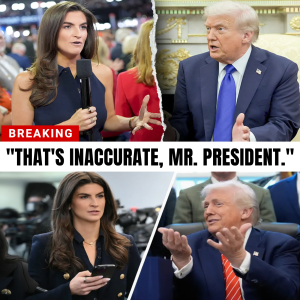
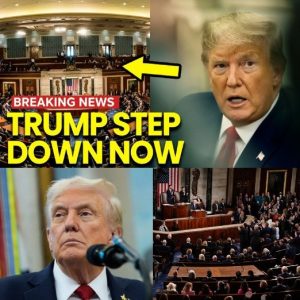
The controversy has spilled rapidly into the public sphere. Social media platforms have amplified footage from tense press briefings and floor speeches, reflecting heightened public interest in immigration enforcement and executive accountability. Political analysts note that while online reactions often exaggerate internal dynamics, the sustained attention underscores the issue’s resonance with voters across party lines.
Within the administration, aides are reportedly weighing options to contain the fallout, including internal reviews and limited concessions short of personnel changes. However, Democratic leaders insist that incremental steps will not suffice, arguing that leadership responsibility must accompany policy reform.
As Congress reconvenes in the coming days, both sides appear entrenched. Whether the dispute culminates in formal impeachment proceedings or fades into negotiation remains uncertain. What is clear is that the episode has further strained relations between the White House and Capitol Hill, adding another flashpoint to an already polarized political environment — one likely to shape debates well beyond Washington.