Canada’s decision to co-produce military drones with Ukraine has triggered a wave of international reaction, raising urgent questions about escalation, sovereignty, and the future of modern warfare. The agreement marks a turning point in Canada’s defence posture and its growing industrial role in global conflict dynamics.
The announcement, made at CANSEC 2026 in Ottawa, confirmed a government-to-government partnership to manufacture reconnaissance drones on Canadian soil. The initiative blends Ukrainian battlefield experience with Canadian industrial capacity, signaling a strategic shift far beyond traditional military aid.
Officials described the joint venture—AirLogix Sentinel—as a long-term collaboration aimed at strengthening Ukraine’s battlefield intelligence capabilities while simultaneously expanding Canada’s domestic defence manufacturing sector. The project will be based in Hamilton, Ontario, a growing industrial hub.
Under the agreement, Ukrainian firm Airlogix provides drone designs, software systems, and combat-tested operational frameworks. Canadian partner Sentinel handles production, assembly, and quality control. Once completed, the drones are shipped directly to Ukrainian armed forces.

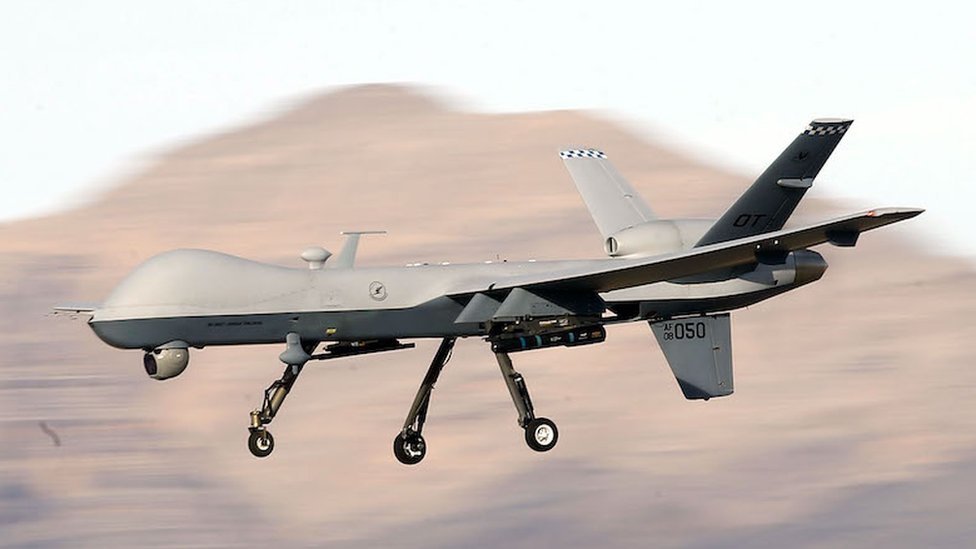
Military analysts emphasize that reconnaissance drones have become one of the most decisive tools in modern warfare, shaping artillery strikes, troop movement, and real-time battlefield awareness. Their importance in the Ukraine conflict has accelerated global demand for scalable production.
Russia’s response was immediate and sharply critical, labeling the agreement an escalation in Western involvement. Russian officials argued that producing combat-linked systems on Canadian territory effectively deepens NATO-aligned participation in the conflict.
The Kremlin’s reaction highlights a growing geopolitical sensitivity around supply chains for military technology. While Canada maintains it is not directly engaging in combat operations, critics argue that production support blurs traditional lines between aid and participation.
Debate has intensified among international observers over whether the deal represents a necessary evolution in defence cooperation or a dangerous precedent. Some analysts view it as a logical extension of Ukraine’s need for resilient, decentralized supply chains.
Canada, for its part, has framed the initiative as both a security contribution and an industrial opportunity. Defence officials argue that building drones domestically enhances transparency, quality control, and long-term strategic autonomy.
The manufacturing hub in Hamilton is expected to generate skilled jobs in aerospace engineering, robotics, and AI-driven systems integration. Local officials have already highlighted the project as a catalyst for Canada’s emerging defence tech sector.

Supporters of the initiative say Canada is entering a new phase of defence identity, moving away from purely financial support models toward active industrial participation. This shift reflects broader NATO trends in strengthening supply resilience.
Ukraine has welcomed the agreement as a critical lifeline for maintaining battlefield awareness systems under constant strain. Ukrainian officials emphasize that locally adaptable drone production is essential for countering evolving electronic warfare threats.
On the battlefield, reconnaissance drones have become central to intelligence, surveillance, and reconnaissance (ISR) operations. They provide real-time targeting data that can determine the outcome of engagements within minutes rather than hours.
Military experts suggest that scaling production outside Ukraine reduces vulnerability to domestic infrastructure attacks. By diversifying manufacturing locations, Ukraine strengthens continuity in its drone supply chain even under sustained conflict pressure.
Within NATO circles, the agreement is being closely monitored as a possible blueprint for future defence-industrial cooperation. Several member states are reportedly evaluating similar joint production models to support Ukraine more sustainably.
However, the deal also raises concerns about escalation thresholds. Critics warn that distributed manufacturing of combat systems could increase the likelihood of cyberattacks or sabotage targeting industrial facilities in allied countries.
Russia has repeatedly signaled that Western military-industrial support will be treated as part of the broader conflict ecosystem. Analysts warn this rhetoric increases the risk of hybrid responses, including cyber operations or supply chain disruptions.
Despite these risks, Canadian policymakers argue that deterrence and resilience require deeper integration with allies facing active conflict. They stress that the project remains defensive in nature, focused on surveillance and reconnaissance systems.

Economically, the partnership is expected to strengthen Canada’s position in the global defence technology market. Industry leaders predict increased investment in UAV innovation, autonomous systems, and dual-use technologies.
At the same time, human rights observers and peace advocacy groups have expressed caution, warning that expanded military production capacity could normalize prolonged engagement in external conflicts.
The broader question emerging from the deal is whether modern warfare is increasingly defined not only by battlefield action, but by the global dispersion of production networks that sustain it.
Looking ahead, officials in both Canada and Ukraine suggest that the AirLogix Sentinel partnership may expand into additional domains, including electronic warfare systems and AI-assisted surveillance platforms.


As geopolitical tensions continue to intensify, Canada’s decision marks a defining moment in how middle powers engage with high-intensity conflicts. The country is no longer only a supporter from afar—it is now embedded within the production architecture of modern war.
Whether this shift will strengthen global security or deepen international polarization remains uncertain. What is clear, however, is that the era of distant support in warfare is rapidly giving way to industrialized participation across borders.






