Hipkins criticises Budget priorities as cost-of-living concerns remain central to political debate
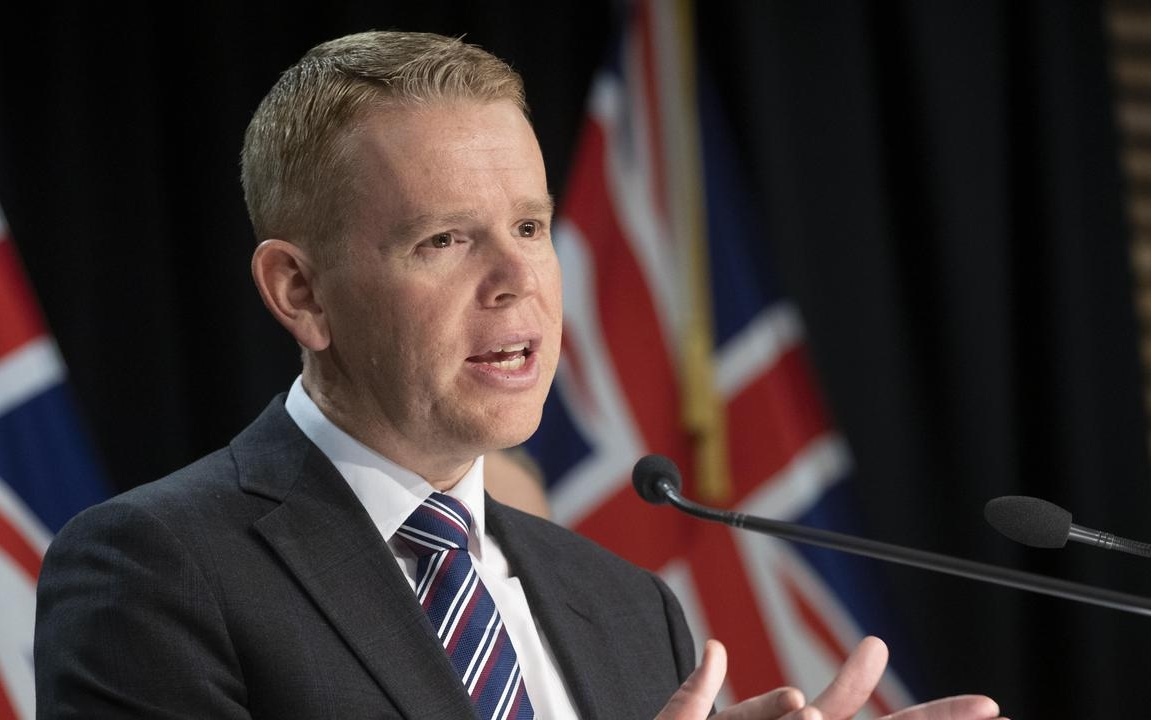
Labour leader Chris Hipkins has intensified criticism of the Government’s latest Budget, arguing that it does not adequately address the ongoing financial pressures facing many households. His comments come as economic conditions, public services, and living costs continue to shape political discussion across New Zealand. The debate has become increasingly significant as parties seek to position themselves ahead of the next election, with both Government and Opposition attempting to persuade voters that their approach offers the strongest path forward. Analysts say affordability remains one of the most influential issues affecting public sentiment and political priorities.
The Budget has become a focal point of parliamentary debate, with the Government presenting it as a balanced package designed to support economic stability while maintaining targeted investment in key services. Ministers argue that responsible financial management is necessary to ensure long-term sustainability and reduce pressure on future public finances.


Labour has challenged that assessment, arguing that many New Zealanders continue to face significant financial strain despite signs of broader economic improvement. Hipkins has questioned whether the Budget provides sufficient support for households dealing with housing costs, food prices, and other everyday expenses. Opposition MPs maintain that public concerns regarding affordability remain widespread and deserve greater attention from policymakers. The Government disputes those claims, arguing that its economic strategy is intended to create conditions for sustainable growth and lower inflation over time.
Political analysts have observed that debates about affordability often become central features of election-year politics. Cost-of-living concerns affect a broad cross-section of voters and can influence perceptions of government performance regardless of wider economic indicators. While governments frequently point to macroeconomic improvements, opposition parties often focus on household experiences and the practical realities facing families. This dynamic has become increasingly visible in recent parliamentary exchanges.
Government ministers continue to defend their economic approach. Prime Minister Christopher Luxon and Finance Minister Nicola Willis argue that fiscal discipline remains essential to maintaining economic stability. They say spending decisions have been designed to balance support for public services with the need to manage debt and long-term financial pressures. Ministers maintain that short-term political criticism should not distract from broader economic objectives.
Labour representatives argue that affordability concerns cannot be separated from decisions regarding healthcare, education, housing, and social services. The Opposition contends that stronger investment in key sectors would help address some of the pressures experienced by households. Government MPs reject that argument and maintain that sustainable funding requires careful prioritisation and accountability. These competing views reflect broader differences between the parties regarding public spending and economic management.
The issue has also generated discussion among economists and business groups. Some observers support the Government’s emphasis on fiscal restraint and economic stability, arguing that inflation and borrowing pressures require careful management. Others suggest that targeted investment may be necessary in areas where demand for services continues to grow. As a result, feedback from stakeholders has been mixed, reflecting differing perspectives regarding economic priorities.
Cost-of-living pressures remain under scrutiny despite signs that some economic indicators have improved. Many households continue reporting concerns about housing costs, groceries, insurance, and other expenses. Analysts note that public perceptions of economic conditions are often influenced more by daily experiences than by broader statistical measures. This helps explain why affordability remains a prominent political issue even when some economic data show signs of progress.
Political commentators suggest that Labour’s strategy is focused on maintaining attention on areas where public concern remains strongest. By concentrating on affordability and service delivery, the Opposition hopes to strengthen its position among voters who feel current policies are not fully addressing their circumstances. The Government, meanwhile, continues emphasising long-term economic management and policy implementation as measures of success.
The Budget debate has also raised questions regarding future priorities. Some policy areas remain under scrutiny as stakeholders assess how funding decisions may affect service delivery. In several sectors, further implementation details are still under consideration, meaning the full impact of Budget measures may not become clear immediately. This uncertainty has contributed to continuing discussion among affected organisations and communities.
Healthcare is among the sectors receiving particular attention. Opposition MPs argue that funding levels and workforce challenges remain significant concerns. Government ministers point to ongoing investments and reforms intended to improve outcomes. Health organisations have generally welcomed additional resources while continuing to highlight operational pressures facing parts of the system. The effectiveness of announced measures will likely be assessed over an extended period.
Government ministers have repeatedly argued that responsible budgeting requires difficult choices. They maintain that not all spending requests can be accommodated and that priorities must be established based on expected outcomes and affordability. Coalition representatives believe this approach provides greater long-term certainty. Critics argue that some communities may experience reduced support or slower improvements as a result of those decisions.
Housing affordability remains another area of disagreement. Labour continues to argue that stronger interventions may be necessary to improve access to housing and support first-home buyers. The Government maintains that planning reforms, infrastructure investment, and economic stability will contribute to improved outcomes over time. Housing experts generally agree that solutions require long-term commitments and are unlikely to deliver immediate results.
Political implications are becoming increasingly important as parties prepare for future electoral contests. Analysts suggest that debates regarding affordability, public services, and fiscal management may become defining themes during campaign periods. Both Government and Opposition are attempting to establish credibility on these issues and persuade voters that their respective approaches offer the most effective solutions.
Public reaction has varied considerably. Some voters support efforts to maintain spending discipline and reduce fiscal pressures. Others believe greater investment is necessary to strengthen services and assist households facing ongoing challenges. This diversity of opinion reflects the complexity of balancing economic sustainability with demands for public expenditure. Political parties continue adapting their messages accordingly.
Several commentators have suggested that affordability debates often persist even when economic conditions improve. Changes in inflation or growth rates do not always immediately translate into noticeable improvements for households. Consequently, governments may continue facing questions about living costs despite broader signs of economic recovery. This reality contributes to the continuing prominence of affordability in political discussion.
Business groups have generally emphasised the importance of certainty and predictable policy settings. Many organisations support efforts to strengthen productivity and encourage investment while also recognising the need for effective public services. Industry leaders continue monitoring economic conditions and government decisions closely. Their perspectives contribute to the broader debate regarding economic management and national priorities.
Questions remain about how voters will ultimately assess the competing arguments presented by the Government and Opposition. Political scientists note that electoral outcomes are influenced by multiple factors, including leadership perceptions, economic conditions, policy performance, and campaign effectiveness. Affordability concerns are expected to remain an important consideration, but they will likely interact with a wider range of issues.
As the political debate continues, both major parties are expected to refine their economic messages and policy proposals. The Government remains focused on defending its record and highlighting progress, while Labour continues challenging aspects of Budget policy and service delivery. This competition is likely to intensify as future elections draw closer.
Ultimately, the Budget debate illustrates broader disagreements regarding how New Zealand should balance fiscal responsibility, public investment, and economic growth. While both sides acknowledge the importance of supporting households and strengthening the economy, they differ significantly on the methods required to achieve those goals. Those differences are likely to remain at the centre of political discussion in the months ahead.






