Hipkins increases pressure on Government as political debate intensifies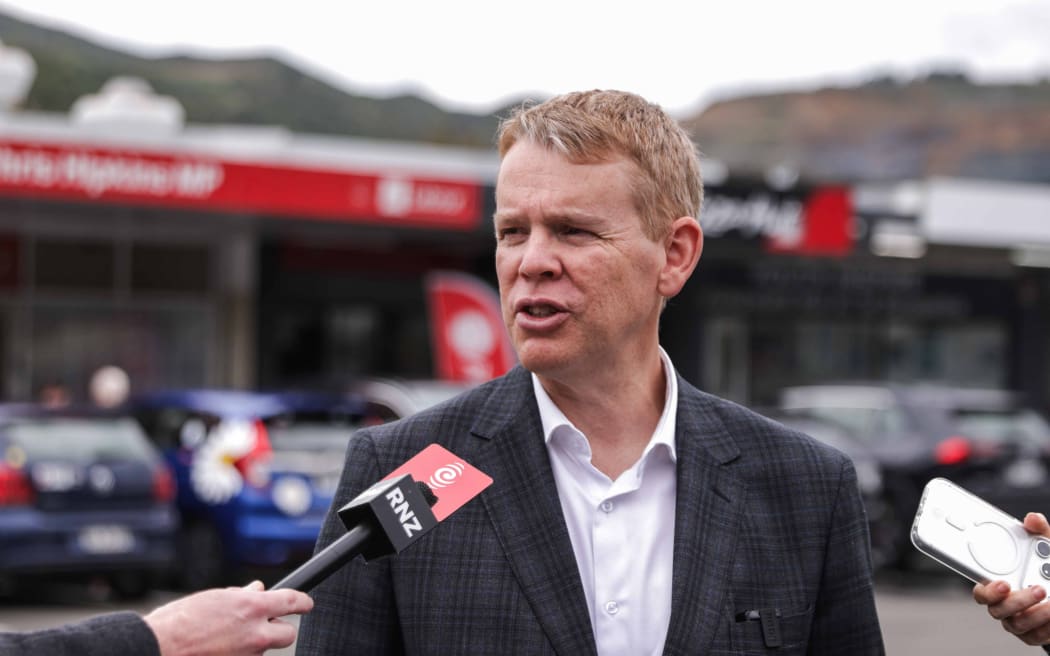
Prime Minister Christopher Luxon is facing heightened political scrutiny as Opposition leader Chris Hipkins continues to challenge the Government on issues including economic management, public services, housing, and the cost of living. The exchanges reflect an increasingly competitive political environment as parties seek to shape public opinion ahead of future electoral contests. While the Government maintains that its policies are delivering long-term results, Labour argues that many New Zealanders continue to face pressures that require stronger responses from policymakers. The debate has become a central feature of parliamentary politics.
The Government remains focused on defending its record and promoting its policy agenda. Ministers argue that reforms introduced since taking office are designed to improve public services, strengthen economic growth, and ensure fiscal sustainability. Coalition representatives have repeatedly stated that many initiatives require time before measurable benefits become visible and caution against judging performance solely through short-term political developments.


Labour has sought to maintain pressure on the Government by focusing attention on affordability, healthcare, housing, and education. Hipkins argues that many households remain concerned about living costs and the quality of public services. Opposition MPs have questioned whether government policies are delivering improvements quickly enough to meet public expectations. Ministers reject those criticisms, maintaining that economic conditions are improving and that reforms currently underway will produce stronger outcomes over time.
Political analysts have observed that this period reflects a normal stage in the political cycle, during which opposition parties attempt to increase scrutiny of governments while presenting themselves as credible alternatives. Analysts note that governing parties often face higher expectations because they are responsible for implementing policy and delivering services. As a result, public attention frequently focuses on whether promised outcomes are being achieved.
Economic management remains one of the most significant areas of disagreement between the Government and Labour. Coalition ministers argue that careful spending decisions and fiscal discipline are necessary to support long-term growth and stability. Labour representatives contend that stronger investment may be required in some sectors to address ongoing challenges. Economists remain divided on aspects of the debate, contributing to ongoing discussion among policymakers and voters.
Cost-of-living concerns continue to influence public sentiment. While some economic indicators have improved compared with previous periods, many households still report pressure from housing costs, groceries, insurance, and other expenses. Labour has argued that these experiences should remain central to government decision-making. The Government responds that reducing inflation and improving economic performance are essential steps toward easing those pressures.
Healthcare remains under scrutiny as both sides debate the adequacy of funding and reform efforts. Opposition MPs have raised concerns regarding workforce shortages and service pressures in some parts of the system. Government ministers point to ongoing investments and structural changes intended to improve efficiency and outcomes. Health sector organisations have provided mixed feedback, welcoming some initiatives while highlighting continuing operational challenges.
Housing affordability has become another key area of political discussion. Labour argues that affordability challenges continue affecting many renters and prospective home buyers. Government representatives maintain that planning reforms, infrastructure investment, and economic stability will support improved housing outcomes over time. Analysts note that housing remains politically significant because it affects a broad range of voters and intersects with wider economic concerns.
Political commentators suggest that Hipkins has focused on maintaining a disciplined message centred on practical concerns affecting households. Rather than responding equally to every issue, Labour has concentrated on themes that it believes resonate strongly with voters. This strategy has contributed to increased attention on affordability and public services. Government representatives argue that criticism must be accompanied by detailed alternatives if voters are to view Labour as a credible governing option.
The Government continues emphasising achievements and future plans. Ministers point to infrastructure projects, economic reforms, education initiatives, and law-and-order policies as evidence of progress. Coalition MPs argue that sustained implementation rather than political rhetoric will ultimately determine voter perceptions. They maintain that public confidence is built through outcomes rather than commentary.
Public polling has contributed to discussion about the relative positions of the Government and Opposition. Surveys have suggested a competitive political environment, although analysts caution against drawing broad conclusions from individual results. Political scientists note that voter preferences often shift over time and can be influenced by economic developments, leadership perceptions, and major events. Polling therefore remains only one indicator of the broader political picture.
Government ministers continue to argue that many reforms are still in their early stages. They say the benefits of policy changes in areas such as infrastructure, education, and economic management may become more apparent over the coming years. Opposition parties contend that voters are entitled to assess current performance and hold governments accountable for present outcomes. This difference in perspective continues to shape parliamentary debate.
Business organisations have generally emphasised the importance of policy certainty and economic stability. Industry representatives have welcomed some aspects of the Government’s agenda while also identifying areas where additional action may be beneficial. Their views reflect broader discussions regarding productivity, investment, workforce development, and infrastructure. Feedback from business groups has been varied rather than uniform.
The role of smaller parties also remains important. New Zealand’s proportional electoral system means that coalition dynamics can influence political outcomes significantly. Analysts note that changes in support among smaller parties may affect future government formation scenarios just as much as shifts among larger parties. This reality adds another layer of complexity to political analysis.
Several observers have suggested that voter expectations remain particularly high following years of economic disruption and public sector challenges. Governments are expected to improve services, maintain economic stability, and address affordability concerns simultaneously. Meeting all these expectations can prove difficult, especially when resources are limited and policy trade-offs are required. These pressures contribute to the scrutiny facing both current and future governments.
Media coverage has reflected the growing intensity of political competition. Journalists continue examining policy outcomes, leadership performance, and public sentiment while assessing claims made by both Government and Opposition figures. The resulting coverage has helped keep issues such as affordability, healthcare, and economic management at the forefront of public discussion.
Questions remain regarding how current political trends will evolve. Analysts note that economic conditions, policy delivery, and leadership evaluations could all influence future developments. Some issues remain under consideration, and several major reforms have yet to reach full implementation. As a result, political narratives may continue changing over time.
For Labour, maintaining momentum requires continuing to persuade voters that it offers credible alternatives to current policies. For the Government, the challenge is demonstrating that reforms are producing measurable improvements and addressing public concerns. Both objectives will likely shape political strategy in the period ahead.
Ultimately, the intensifying exchanges between Luxon and Hipkins reflect a broader contest over New Zealand’s economic direction, public services, and national priorities. While the Government emphasises stability and long-term delivery, Labour continues arguing for different approaches in key areas. The debate is expected to remain a defining feature of New Zealand politics as parties compete for voter support.






