National backs Luxon as political scrutiny of Government continues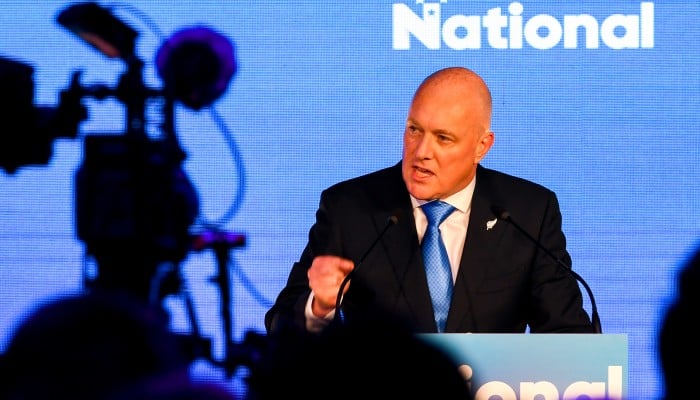
Prime Minister Christopher Luxon continues to receive public support from National Party MPs as the Government faces ongoing scrutiny over economic management, public services, and voter sentiment. Recent political debate has prompted renewed discussion about leadership, party unity, and the challenges associated with governing during a period of economic and political uncertainty. While opposition parties have increased criticism of Government policies, National representatives maintain that Luxon remains focused on delivering results and implementing the coalition’s programme.
Senior Government figures have repeatedly expressed confidence in Luxon’s leadership. Ministers argue that the coalition remains committed to its policy objectives and that attention should remain focused on outcomes rather than political speculation. They maintain that reforms currently underway require time to deliver measurable benefits and should be assessed on their long-term impact.


The discussion comes amid a more competitive political environment, with opposition parties seeking to challenge the Government on issues including affordability, healthcare, housing, and public service delivery. Labour leader Chris Hipkins has argued that many New Zealanders remain concerned about living costs and the pace of improvement in some sectors. Government ministers reject those criticisms and maintain that progress is being made.
Political analysts note that leadership speculation is not uncommon during parliamentary terms, particularly when polling results fluctuate or major policy debates dominate headlines. However, analysts also caution that public statements from party leadership and caucus members remain the most reliable indicators of internal support. At present, National MPs have consistently expressed confidence in Luxon’s position.
The Government argues that economic management remains one of its strongest areas of focus. Ministers point to efforts aimed at supporting growth, managing public finances, and improving infrastructure. They contend that economic stability is essential to delivering long-term improvements across multiple sectors. Opposition parties maintain that many households continue experiencing financial pressures and argue that alternative approaches should be considered.
Affordability remains one of the most significant issues in contemporary political debate. Although some economic indicators have improved, concerns regarding housing costs, household expenses, and access to services continue to influence public discussion. Analysts note that voter perceptions of economic conditions often play a major role in shaping political support.
Healthcare has also remained under scrutiny. Opposition MPs argue that workforce shortages and service pressures continue affecting parts of the system. Government representatives point to ongoing investment and reforms intended to improve outcomes. Health sector organisations have offered mixed feedback, welcoming some initiatives while identifying continuing challenges in service delivery.
Political commentators suggest that leadership evaluations are closely linked to perceptions of policy performance. Prime ministers are often judged not only on communication and visibility but also on their ability to deliver results. As a result, discussions regarding leadership frequently reflect broader debates about government effectiveness and public confidence.
Within National, ministers continue emphasising unity and policy implementation. Government representatives argue that speculation regarding leadership distracts from substantive policy discussions and does not reflect the priorities of the caucus. They maintain that the coalition remains focused on achieving outcomes promised to voters during the election campaign.
Polling results have contributed to some of the recent discussion. Analysts note that surveys can influence media coverage and political narratives, particularly when they indicate movement in support levels. However, political scientists caution that individual polls should be interpreted carefully and considered alongside longer-term trends rather than viewed in isolation.
The role of coalition politics also remains important. Under New Zealand’s proportional electoral system, governing arrangements often depend on relationships between multiple parties. Analysts suggest that coalition management and policy coordination can influence public perceptions of government performance as much as individual leadership evaluations.
Business groups continue monitoring Government policy closely. Industry representatives generally emphasise the importance of economic certainty, infrastructure investment, workforce development, and regulatory stability. Feedback from business organisations has varied across different sectors, reflecting differing priorities and economic conditions.
Public opinion remains diverse. Some voters support the Government’s emphasis on fiscal discipline and long-term planning, while others believe stronger action is needed to address affordability and public service concerns. These differing perspectives contribute to the competitive nature of New Zealand politics and ongoing debate regarding policy direction.
Media coverage has focused on both policy outcomes and political dynamics. Journalists continue examining Government initiatives, opposition criticism, and voter sentiment while assessing the broader implications of developments within Parliament. This scrutiny is expected to continue as political competition intensifies.
Questions remain regarding how current political trends will evolve. Some reforms are still under consideration, and the effectiveness of several policy initiatives may take time to evaluate. Analysts note that future developments in the economy, public services, and voter sentiment could influence political perceptions significantly.
For the Opposition, maintaining pressure on the Government involves highlighting areas where concerns remain. For National, the challenge is demonstrating that policies are producing measurable benefits and addressing issues important to voters. Both objectives are likely to shape political strategy in the months ahead.
Political scientists observe that governments commonly experience periods of heightened scrutiny during their terms. Public expectations are often high, and voters regularly reassess political preferences as circumstances change. This process is considered a normal feature of democratic systems and contributes to accountability within government.
Ultimately, current discussion surrounding Luxon’s leadership reflects broader questions about Government performance, economic conditions, and public priorities. While political debate is likely to continue, National’s public position remains clear: the party continues backing its leader and focusing on policy delivery.
Whether voter sentiment changes significantly over time will depend on a range of factors, including economic developments, public service outcomes, and political communication. For now, the Government remains focused on defending its record, while opposition parties continue seeking opportunities to challenge it.






