Voters’ priorities remain central as Luxon and Hipkins compete for public support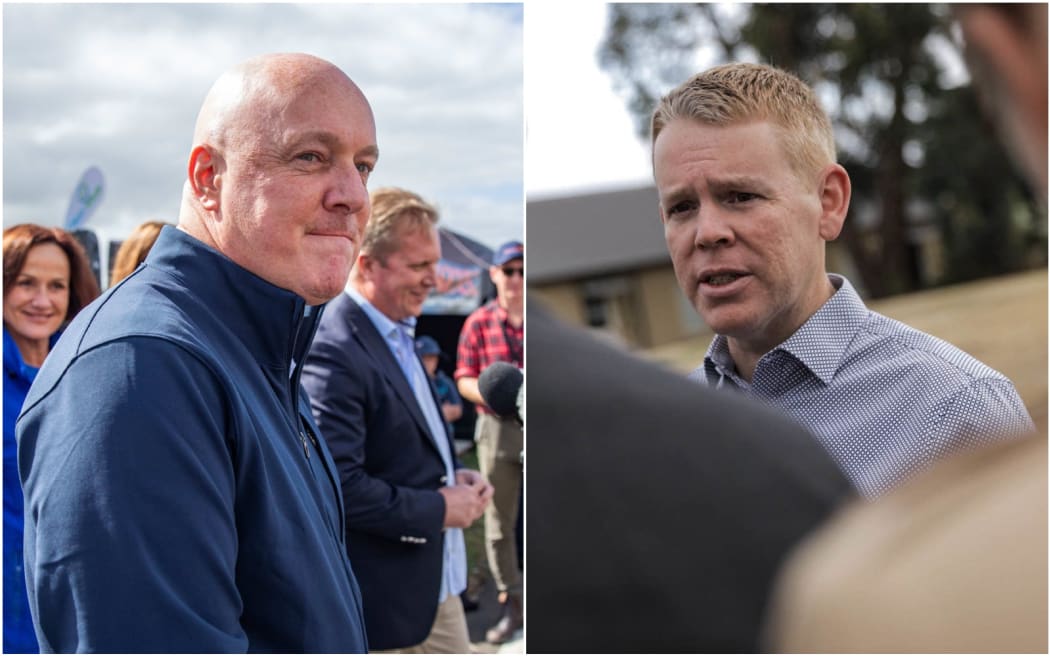
Prime Minister Christopher Luxon and Opposition leader Chris Hipkins are increasingly focusing their political messages on issues that many New Zealanders identify as important to their daily lives. As political competition intensifies, public debate continues to centre on affordability, healthcare, housing, education, public safety, and economic opportunity. While the two leaders offer different approaches to these challenges, analysts suggest that voters are primarily interested in practical outcomes rather than political rhetoric.
Recent polling and public commentary indicate that cost-of-living pressures remain among the most significant concerns for households. Despite improvements in some economic indicators, many New Zealanders continue to face challenges relating to housing costs, food prices, insurance, and other household expenses. Both major parties have sought to position themselves as best placed to respond to these concerns.


For the Government, economic management remains a central theme. Luxon and coalition ministers argue that fiscal discipline, economic growth, and targeted investment will help create stronger long-term outcomes. Government representatives maintain that improving productivity, supporting business confidence, and maintaining sustainable public finances are essential components of national prosperity. They argue that stable economic foundations ultimately benefit households and communities.
Labour has placed greater emphasis on affordability, public services, and support for families facing financial pressure. Hipkins has argued that economic indicators alone do not always reflect the experiences of households. Labour representatives maintain that stronger investment in healthcare, education, housing, and social services can improve quality of life while helping address ongoing challenges affecting many communities.
Political analysts note that voters often judge leaders according to their ability to deliver results rather than their ability to win political arguments. In periods of economic uncertainty, public attention tends to focus on whether governments are improving living standards, maintaining effective services, and creating opportunities for future growth. As a result, leadership assessments frequently reflect broader perceptions of policy performance.
Healthcare remains one of the issues most consistently raised by voters. Concerns regarding waiting times, workforce shortages, and access to services continue to attract significant public attention. The Government argues that ongoing reforms and investments will strengthen outcomes over time. Labour contends that additional resources and different policy choices may be required to meet public expectations. The issue remains under scrutiny across the political spectrum.
Housing affordability is another priority frequently identified in political discussion. Many New Zealanders continue expressing concern about property prices, rental costs, and barriers facing first-home buyers. Government ministers maintain that planning reforms and infrastructure investment will support increased housing supply. Opposition parties argue that affordability challenges remain substantial and require further action. Housing experts generally agree that improvements in this area often take time to materialise.
Education also remains important to voters assessing political leadership. Questions regarding student achievement, workforce development, school funding, and future skills requirements continue shaping public debate. Both major parties emphasise the importance of education but differ on aspects of funding, delivery, and policy priorities. These differences are likely to remain significant as political competition continues.
Public safety is another area where voters expect leadership and effective policy implementation. Government representatives frequently highlight law-and-order initiatives as evidence of their commitment to safer communities. Opposition parties acknowledge the importance of public safety while emphasising the role of broader social and economic policies in addressing underlying challenges. The debate reflects differing perspectives regarding the most effective methods of achieving long-term outcomes.
Economic opportunity remains a key concern for many New Zealanders. Voters often look for policies that support employment, wages, business growth, and regional development. The Government argues that encouraging investment and strengthening economic performance will create greater opportunities. Labour maintains that growth should be accompanied by measures ensuring benefits are widely shared across society.

Political scientists suggest that many voters are less interested in ideological differences than in practical solutions. Issues such as healthcare access, affordable housing, reliable infrastructure, and stable employment often carry greater weight than partisan arguments. Consequently, parties are increasingly focused on demonstrating how their policies will affect everyday life rather than simply criticising opponents.
Leadership style also influences public perceptions. Luxon and Hipkins bring different experiences and communication approaches to their roles. Analysts note that voters may evaluate leaders based not only on policy positions but also on qualities such as competence, consistency, empathy, and decision-making ability. These factors can shape broader assessments of political credibility.
Business groups generally emphasise economic certainty, workforce development, and infrastructure investment when discussing leadership priorities. Community organisations often focus on public services, affordability, and social outcomes. The diversity of these perspectives illustrates the wide range of expectations placed upon political leaders and governments.
Media coverage has contributed to ongoing discussion regarding voter priorities. Journalists continue examining polling, policy announcements, economic data, and public feedback to assess which issues are most important to New Zealanders. Analysts note that media attention often reflects broader public concerns while also influencing political agendas.
Questions remain regarding how voter priorities may evolve over time. Economic developments, demographic changes, technological advances, and international events all have the potential to influence public expectations. Political parties therefore continue adapting their messages and policies to address emerging concerns and opportunities.
The challenge facing Luxon is demonstrating that Government policies are delivering measurable improvements while maintaining confidence in the coalition’s broader direction. The challenge facing Hipkins is convincing voters that Labour offers credible alternatives capable of producing stronger outcomes. Both leaders are seeking to build trust among voters who remain undecided.
Political competition between the two leaders is expected to intensify as future elections draw closer. Debates regarding affordability, healthcare, education, housing, economic management, and public safety are likely to remain central themes. Analysts suggest that success may depend on which party is perceived as offering the most practical and achievable solutions.
Voters continue expressing a desire for stability alongside meaningful progress. Many New Zealanders appear to want economic security, effective public services, affordable housing, quality education, and opportunities for future generations. While opinions differ regarding how best to achieve those objectives, the goals themselves attract broad support across the political spectrum.
Ultimately, what many New Zealanders appear to seek from both Luxon and Hipkins is not simply political messaging but evidence that policies can improve daily life. Whether through economic management, public service reform, or targeted investment, voters are likely to continue assessing leaders according to their ability to address tangible concerns and deliver measurable results.






