A Documentary, a Debut, and a Deafening Silence: Inside the Troubled Release of “Melania”
When Melania, the long-anticipated documentary centered on First Lady Melania T̄R̄UMP, began its theatrical rollout, the expectation among its backers was not blockbuster success but symbolic impact. The film, positioned as an intimate portrait of a famously private figure, was meant to humanize, reframe, and perhaps soften an image long defined by distance and ambiguity.
Instead, its opening weekend told a different story — one not of controversy or protest, but of absence.
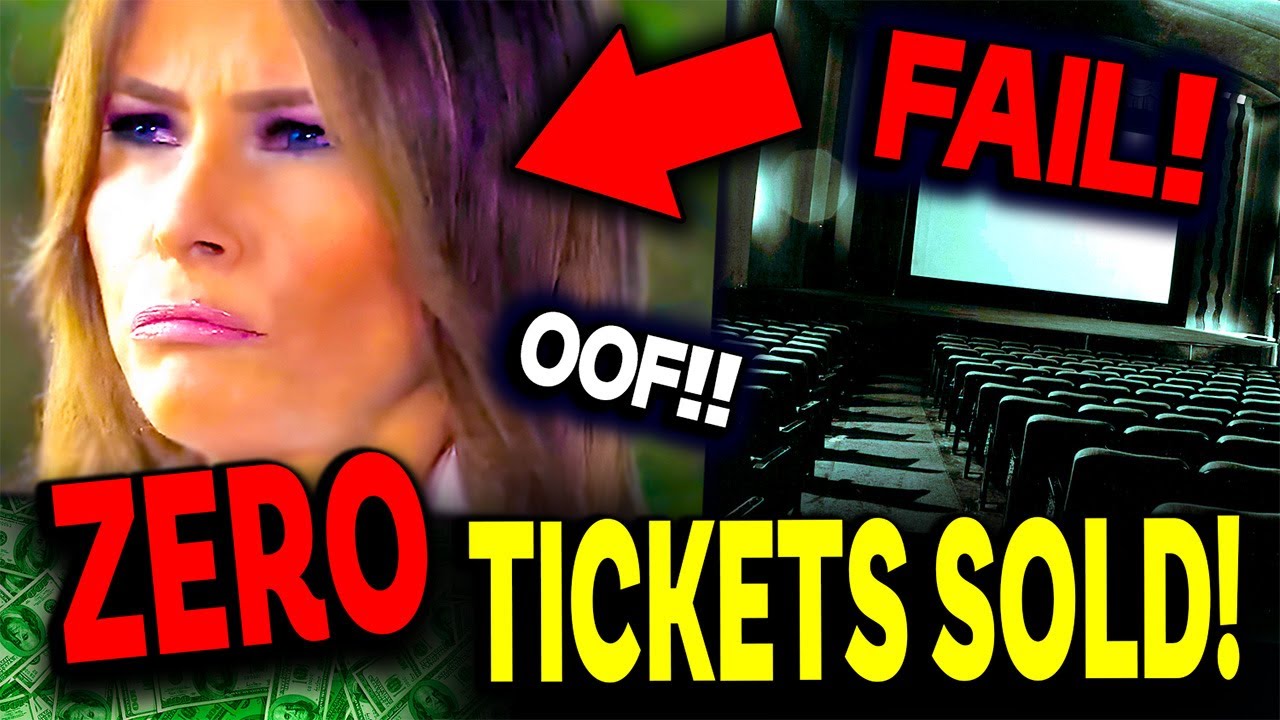
Across multiple U.S. cities, including traditionally conservative suburban markets, theaters reported sparsely attended screenings, with some showtimes selling fewer than a handful of tickets and others appearing entirely empty on booking apps. Box-office tracking screenshots shared widely on social media showed rows of unreserved seats in Jacksonville, Tigard, Gresham, Vancouver, and parts of Southern California — areas not typically hostile to the T̄R̄UMP brand.
By Saturday night, the conversation around Melania had shifted decisively. The film was no longer being discussed primarily as a documentary, but as a cultural curiosity — and, increasingly, as a punchline.
A Release That Struggled to Find an Audience
Industry analysts caution that niche political documentaries often face uphill battles in theaters, particularly in an era dominated by streaming. Still, the scale of Melania’s underperformance surprised even seasoned observers.
According to screenshots from major U.S. theater chains circulating on X and Reddit, some locations reported zero to single-digit ticket sales for prime Friday-night showings. In Los Angeles County, one of the nation’s largest media markets, several theaters reportedly sold fewer than five tickets per screening. In the United Kingdom, at least one cinema chain was reported — again via publicly visible booking platforms — to have sold a single ticket for an evening show.
The figures were never officially confirmed by the film’s distributors, but the consistency of independent screenshots, cross-posted by journalists, box-office hobbyists, and political commentators, made them difficult to dismiss.
“This isn’t just soft demand,” said one entertainment analyst who reviewed the publicly available data. “It’s the kind of turnout that suggests the audience either didn’t know the film was playing — or actively didn’t care.”
Social Media Turns the Film Into a Spectacle

If theaters were quiet, social media was not.
Clips from political livestreams and commentary shows on YouTube and TikTok — many with large progressive and satirical audiences — dissected the film’s rollout with relentless focus. Hosts joked about “selling out fast” posts attributed to Donald T̄R̄UMP, contrasting them with empty seating charts. Memes comparing the film’s release to abandoned mall storefronts proliferated.
One viral moment involved footage of a White House screening event hosted by Melania T̄R̄UMP herself. Attendees included a mix of political allies, religious figures, and cultural personalities, among them Paula White, a longtime spiritual adviser to Donald T̄R̄UMP. Clips of White speaking in tongues at unrelated events resurfaced online, with users juxtaposing them against still images from the screening, turning the guest list itself into part of the commentary.
The tone was often mocking, but beneath the humor was a sharper critique: that the film appeared to exist in a closed ecosystem, designed for loyalists rather than the broader public.
The White House Screening and an Architectural Irony
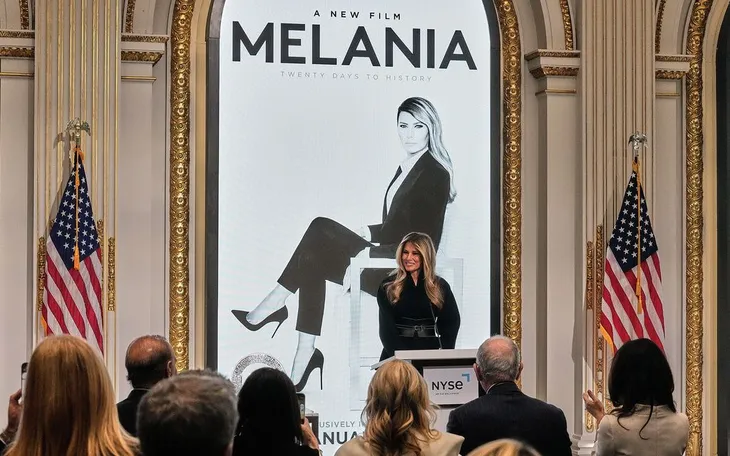
One detail that captured outsized attention was the location of the White House screening itself.
Historically, the White House included a dedicated theater space used for official screenings and cultural events. That space, however, was removed during renovations undertaken in Donald T̄R̄UMP’s presidency as part of broader changes to the East Wing. As a result, Melania was reportedly screened in a large, multipurpose room using temporary seating and projection equipment.
Film professionals on social media were quick to point out the irony. “Bad acoustics, no soundproofing, high ceilings — that’s a nightmare for dialogue-driven films,” one documentary editor wrote. Others described similar setups as “watching a movie in a cave.”
While trivial on its own, the episode became emblematic online: a carefully staged cultural moment undermined by practical oversight.
Critical Silence and Early Reviews
As of the film’s opening weekend, major critics had largely declined to review Melania. That absence, too, became part of the narrative.
When early audience reactions did surface — often quoted secondhand on social platforms — they were blunt. One widely circulated clip featured a reviewer using the word “sucks” multiple times in quick succession, prompting waves of parody. Whether fair or not, such reactions filled the vacuum left by traditional criticism.
Entertainment journalists noted that films perceived as promotional rather than investigative often struggle to attract serious critical engagement. “A documentary that is executive-produced by its subject is always going to face skepticism,” said a media studies professor at a major U.S. university. “Audiences sense when a project is designed to control a narrative rather than interrogate it.”
Politics, Branding, and Audience Fatigue
The struggles of Melania may also reflect broader fatigue with political branding.
In recent years, the T̄R̄UMP family has launched or promoted a wide array of products — from NFTs and books to media ventures and digital tokens like “Melania Coin,” which itself has become a subject of online ridicule amid volatile performance. Critics argue that such efforts blur the line between governance, celebrity, and commerce.
For some voters, particularly independents and younger audiences, that saturation appears to have diminishing returns.
“What we’re seeing isn’t outrage,” said a Democratic strategist who tracks online discourse. “It’s indifference. And indifference is far more dangerous to a political brand.”
What Comes Next
Despite the theatrical stumble, Melania may yet find a second life on streaming platforms, where political documentaries often perform better and where curiosity can translate into clicks rather than ticket sales. Several commentators have already predicted a rapid move to Amazon Prime or a similar service.
Still, the film’s opening has already written its first chapter — one defined less by scandal than by silence, empty seats, and a viral chorus asking the same question:
Who was this movie for?
In the end, Melania may be remembered not as a cultural reset or political statement, but as a revealing moment — a snapshot of how power, image, and audience attention no longer align the way they once did in American public life.






