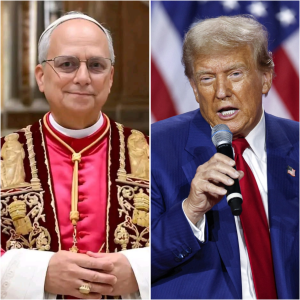
Major financial institutions are reportedly distancing themselves from Donald Trump, signaling a dramatic shift in how Wall Street views the former president’s business empire. As legal battles mount and financial scrutiny intensifies, several banks have begun reassessing — and in some cases severing — long-standing relationships tied to Trump-affiliated entities. The move marks a critical moment, raising serious questions about liquidity, leverage, and long-term viability across his portfolio.

Sources familiar with the matter say the pressure is not purely political, but deeply financial. Ongoing lawsuits, ballooning legal costs, and heightened regulatory oversight have made Trump-related accounts increasingly high-risk. For banks already navigating a fragile global economy, exposure to controversial assets is becoming less attractive. The result: tighter credit, reduced refinancing options, and growing strain on Trump’s once-formidable real estate and branding empire.
The ripple effects are significant. Trump’s businesses, which have historically relied on favorable lending terms and institutional backing, now face a harsher reality. Without strong banking partners, refinancing debt becomes more expensive — or impossible. Analysts warn this could trigger asset sales, restructuring, or further financial unraveling, especially as interest rates remain elevated and commercial real estate markets soften nationwide.
Adding fuel to the fire, legendary investor Warren Buffett offered a pointed response that sent shockwaves through financial circles. While not naming Trump directly, Buffett emphasized that “reputation risk” is now one of the most underestimated dangers in modern finance. His remarks were widely interpreted as a warning to banks and investors alike: associations matter, and controversy carries a measurable cost in today’s markets.
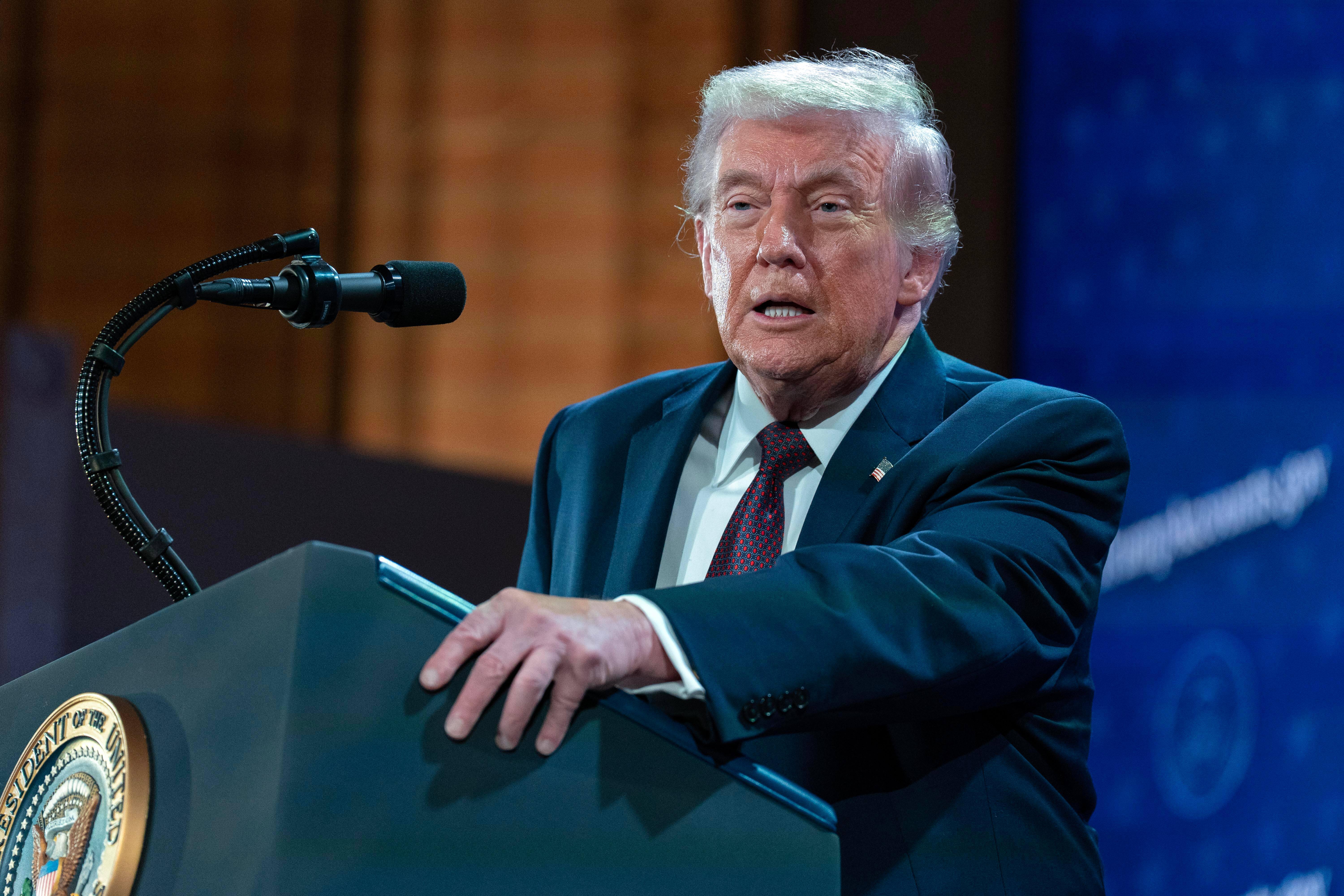
Market observers note that this moment underscores a broader trend — the convergence of finance, law, and public perception. In an era of instant information and heightened accountability, banks are no longer willing to absorb reputational damage for high-profile clients, no matter how famous or powerful. Trump’s situation may serve as a case study for how quickly financial support can evaporate when risk outweighs reward.
As financial pressure closes in, the coming months could prove decisive for Trump’s empire. Whether through legal victories, strategic pivots, or aggressive asset restructuring, the path forward is uncertain. One thing is clear: Wall Street is sending a message, and it’s louder than ever — in today’s financial world, no empire is too big to face the consequences of lost confidence.