Labour sharpens election strategy as political competition with Government intensifies
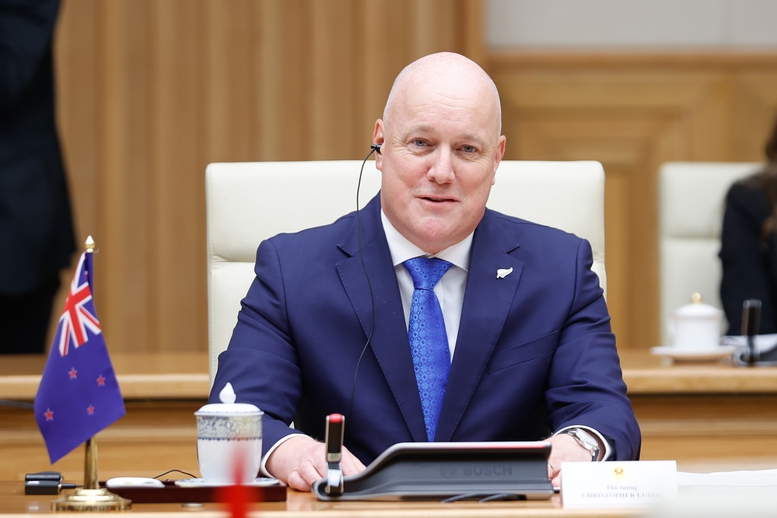
Opposition leader Chris Hipkins and the Labour Party are continuing preparations for the next election, with an increased focus on policy development, voter engagement, and scrutiny of Government decisions. As political parties position themselves for the coming campaign, competition between Labour and the governing coalition has become increasingly visible across a range of policy areas, including affordability, healthcare, housing, education, and economic management.
Labour has spent recent months highlighting concerns about living costs and public services while presenting itself as an alternative government. Hipkins has argued that many New Zealanders remain under financial pressure and that additional policy measures may be required to address ongoing challenges. The party says it intends to continue releasing proposals aimed at responding to issues raised by voters and community organisations.


Prime Minister Christopher Luxon and coalition ministers have defended the Government’s record, arguing that their policies are designed to strengthen economic stability, improve public services, and support long-term growth. National representatives maintain that reforms currently underway require time to produce measurable results and should be assessed accordingly.
Political analysts note that opposition parties typically increase policy activity and public engagement as elections approach. This process allows parties to refine their messages, test public reaction to proposals, and present alternatives to the governing administration. Labour’s strategy appears focused on issues where it believes voter concerns remain strongest.
Affordability remains central to Labour’s messaging. Hipkins has repeatedly argued that many households continue to face pressure from housing costs, food prices, insurance premiums, and other everyday expenses. Labour representatives say future policy announcements are likely to place significant emphasis on household finances and economic security.
The Government disputes Labour’s assessment and argues that economic conditions are improving. Ministers point to indicators they say demonstrate progress and maintain that fiscal discipline, investment, and economic growth provide the best foundation for improving living standards. The disagreement reflects broader ideological differences regarding economic management and public spending priorities.
Healthcare is also expected to remain a major area of political debate. Labour has criticised aspects of the Government’s approach and argued that more investment may be required in some parts of the health system. Government representatives highlight ongoing reforms and funding commitments, while health sector organisations continue providing mixed feedback on policy developments.
Housing affordability continues to attract attention from both major parties. Labour argues that many New Zealanders still face barriers to home ownership and affordable rental accommodation. The Government maintains that planning reforms and infrastructure investment will contribute to improved housing supply and affordability over time.
Political commentators suggest that election campaigns are often shaped by a relatively small number of highly visible issues. Affordability, healthcare, education, housing, economic growth, and public safety are expected to feature prominently in future political debates. Both major parties are therefore focusing resources on developing policy responses in these areas.
Labour is also seeking to present itself as a credible governing alternative by demonstrating policy readiness and organisational discipline. Analysts note that opposition parties must not only criticise governments but also persuade voters that they are capable of implementing effective alternatives. Detailed policy proposals often become increasingly important as elections draw closer.
Public polling has suggested a competitive political environment, although analysts caution against relying on individual surveys as predictors of election outcomes. Polls can influence political narratives and media coverage, but voter preferences may change significantly over time. Political strategists from all parties continue monitoring public sentiment closely.
Business organisations and industry groups are expected to examine future Labour proposals carefully. Many stakeholders emphasise economic certainty, infrastructure investment, workforce development, and regulatory stability when evaluating policy alternatives. Their reactions may contribute to wider public discussion regarding the practicality of competing approaches.
The Government has continued challenging Labour to provide detailed explanations regarding the cost and implementation of any proposed policies. Ministers argue that voters deserve clarity about how alternative programmes would be funded. Labour representatives respond that policy development remains ongoing and that additional details will be released in due course.
Media attention surrounding election preparation is likely to increase as campaign activity expands. Journalists continue examining policy announcements, political strategy, leadership performance, and public opinion. Such scrutiny is expected to intensify as parties move closer to formal election campaigning.
Questions remain regarding which issues will ultimately dominate the election debate. Economic developments, public service performance, international events, and unforeseen circumstances all have the potential to influence voter priorities. Political parties therefore continue adapting their strategies to changing conditions.
For Hipkins, the challenge is demonstrating that Labour offers practical and credible alternatives capable of improving outcomes for households and communities. For Luxon, the challenge is convincing voters that the Government’s existing policies are delivering meaningful results and should continue. Both leaders are seeking to build confidence among undecided voters.
Political scientists note that elections are often decided not only by dissatisfaction with governments but also by perceptions of opposition readiness. Consequently, Labour’s ability to present a coherent and persuasive programme may prove just as important as its criticism of Government policy.
As preparations continue, parliamentary debate is expected to remain vigorous. Government and Opposition parties are likely to continue competing for public attention through policy announcements, media appearances, and engagement with voters across the country. These efforts will help shape the political landscape in the months ahead.
Ultimately, Labour’s increased election activity reflects a normal stage in the political cycle as parties prepare to present competing visions for New Zealand’s future. The success of those efforts will depend on how voters assess policy proposals, leadership performance, and the broader direction of the country.






