TRUMP ADMIN WALKS STRAIGHT INTO A CIVIL RIGHTS FIRESTORM AFTER DR. OZ TARGETS ARMENIAN-AMERICAN COMMUNITY
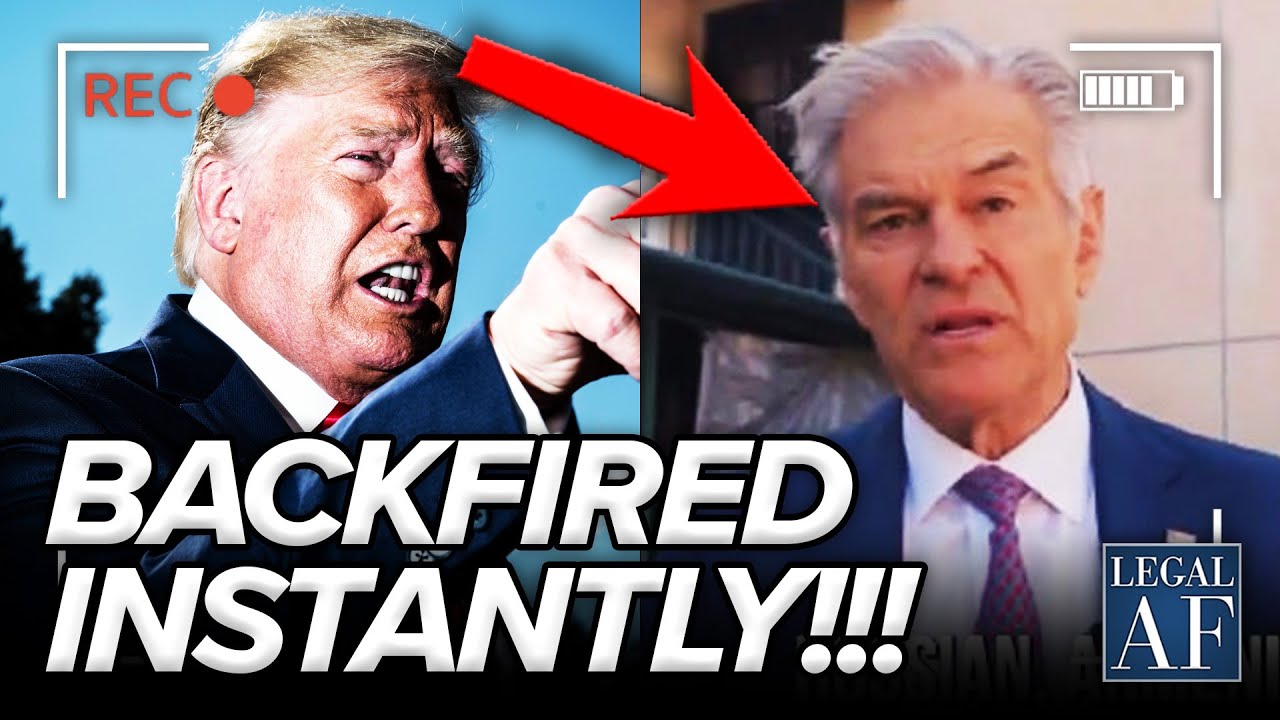
The Trump administration is facing mounting legal and political backlash after Dr. Mehmet Oz, a Trump-appointed official overseeing Medicare and Medicaid, released a video widely criticized as racially inflammatory and legally reckless. In the footage, Oz films himself driving through Los Angeles neighborhoods, pointing at businesses he claims appear Armenian-owned and implying the entire community is linked to widespread Medicare fraud—a move civil rights attorneys say could trigger serious constitutional and discrimination complaints.
Legal experts argue the video follows a familiar Trump-era pattern: publicly vilify immigrant communities without evidence, frame them as economic threats, and weaponize government authority for political optics. Critics immediately compared Oz’s actions to earlier efforts targeting Somali communities in Minnesota, warning that such rhetoric fuels prejudice while bypassing due process and basic investigative standards.
The controversy is further amplified by Dr. Oz’s personal and political history. As a dual U.S.–Turkish citizen who previously served in the Turkish military, Oz has long refused to acknowledge the Armenian Genocide—an atrocity recognized by most historians and formally acknowledged by the U.S. government only in recent years. Armenian-American leaders argue this context makes his targeting of their community appear less like policy enforcement and more like retaliation.
Civil rights lawyers note that while healthcare fraud exists across all demographics, there is no statistical or legal basis for singling out one ethnic group. Fraud cases are prosecuted based on evidence, not signage, language, or ethnicity. In the video, Oz reportedly misidentified Armenian script, called it “Cyrillic,” and even pointed to a bakery sign advertising fresh bread as supposed proof of criminal activity—an act that allegedly led to a sharp drop in business for the owner.
This kind of broad-brush accusation, attorneys warn, is precisely what civil rights laws are designed to prevent. Public officials using their platform to associate an entire ethnic community with criminal behavior may violate equal protection principles and anti-discrimination statutes, especially when no specific investigations or indictments are cited.
Ironically, the backlash is also coming from within the Armenian-American community itself, including many conservative and pro-Trump voters. Community leaders note that Armenians were politically active in opposing Oz during his Senate run and contributed financially to his opponents—raising concerns that the video represents political retribution rather than legitimate oversight.
Legal analysts say the administration may have miscalculated badly. Instead of uncovering fraud, the video has drawn scrutiny to Oz’s credibility, his conflicts of interest, and the administration’s broader approach to immigration and minority communities. Several advocacy groups are reportedly exploring formal civil rights complaints, arguing that Oz’s conduct amounts to government-sponsored ethnic profiling.
As pressure builds, one conclusion is becoming clear: if the goal was to project toughness, the result may be the opposite. By publicly targeting an entire ethnic community without evidence, the Trump administration may have handed civil rights attorneys exactly what they need—proof of discriminatory intent, reckless messaging, and a case that could resonate far beyond Los Angeles.