By XAMXAM
The release of millions of pages of long-sealed records tied to Jeffrey Epstein has once again unsettled Washington, reviving questions that successive administrations have failed — or declined — to resolve. The documents, disclosed after months of delay by the Department of Justice, do not deliver courtroom conclusions. Instead, they offer something more destabilizing: a dense public record of proximity, communication, and unanswered leads surrounding some of the most powerful figures in American public life.
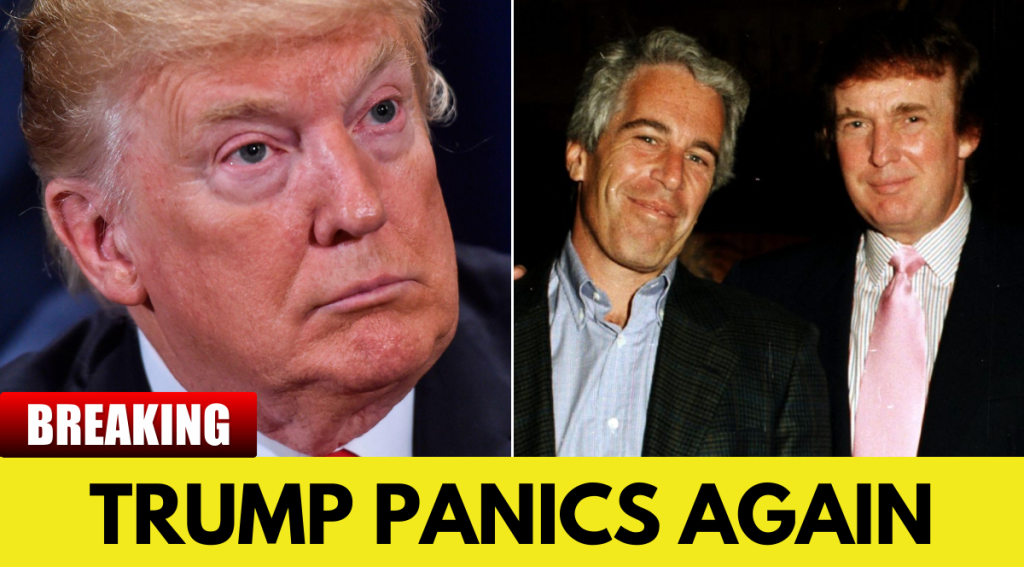
Among the names now resurfacing are Donald Trump, Elon Musk, and Steve Bannon — men who occupy different corners of the political and economic elite, but who are newly linked by their appearance in materials connected to Jeffrey Epstein.
The Justice Department has emphasized that inclusion in the files does not amount to proof of criminal conduct. Many entries consist of tips, forwarded news articles, partial emails, and internal charts mapping “associates,” “authorized individuals,” or people with potential knowledge of Epstein’s activities. Still, the scope of the release — roughly three million pages and more than 100,000 images — has intensified scrutiny of how much was known, by whom, and when.
For Trump, now once again at the center of American political power, the disclosures reopen a politically sensitive chapter. The files include references to tips involving him, as well as communications showing Epstein discussing Trump in various contexts. No document establishes criminal collaboration, and no new charges have been announced. Yet the political consequence is not about verdicts alone. It is about credibility and the unresolved gap between what the public has been told and what the paper trail suggests may never have been fully examined.
The Justice Department’s own posture has drawn criticism. Officials insist that the review complied with statutory requirements and that the White House exerted no influence over the process. But the delay — more than 40 days past the legal deadline — and the ultimate absence of new prosecutions have fueled skepticism from both advocates for Epstein’s victims and legal analysts across the political spectrum. Ghislaine Maxwell remains the only Epstein associate to face conviction, a fact that continues to loom large over the institutional record.

The appearance of Elon Musk in the files has proven especially jarring to some observers. According to the disclosed emails, Epstein discussed plans to host Musk on his private island, describing what would be “the wildest party.” There is no evidence that such a visit occurred, nor that Musk engaged in any criminal behavior. Musk himself has previously warned that Trump would be “exposed” by Epstein-related disclosures, a remark that now sits uneasily beside the newly revealed correspondence.
Steve Bannon’s name appears less centrally, but within the same ecosystem of elite overlap that the files illuminate. The documents reinforce a pattern long suspected but rarely mapped so explicitly: Epstein’s access to political operatives, financiers, and influential intermediaries across party lines and ideological camps.
Perhaps the most consequential element of the release is not any single name, but the cumulative portrait of investigative hesitation. Internal Justice Department charts list dozens of individuals categorized by their relationship to Epstein, many redacted, many uncharged. Former officials from multiple administrations have acknowledged that Epstein’s case intersected with concerns about jurisdiction, statutes of limitation, and the risks of pursuing politically explosive targets.
For survivors of Epstein’s abuse, now women who have spent years pressing for accountability, the release is both validation and disappointment. The documents confirm that tips were filed, warnings were raised, and connections were logged. What remains unclear is how aggressively those leads were pursued, and why so many ultimately stalled.

The political ramifications extend beyond Trump’s White House. The files implicate a broader institutional failure that spans Republican and Democratic administrations alike. Epstein’s first reported abuses date back to the mid-1990s, and his ability to evade lasting accountability unfolded over decades, under multiple attorneys general and presidents.
In Washington, the renewed attention has triggered a familiar defensive choreography: statements emphasizing process, reminders about the presumption of innocence, and quiet efforts to shift focus elsewhere. Yet the scale of the release makes that difficult. Unlike leaks or selective disclosures, this document dump invites prolonged examination. Journalists, lawyers, and historians are likely to be parsing it for years.
The Epstein files do not resolve the central mystery of how one man sustained such power and protection for so long. But they sharpen a different question, one that now confronts the political system anew: whether transparency without accountability is enough. For Trump and his circle, the documents are not a legal reckoning — at least not yet. They are a reminder that proximity itself can be politically corrosive, and that some shadows, once exposed to light, do not easily fade.