A fresh wave of controversy has erupted in Australia after claims emerged suggesting Labor’s tax policies could wipe up to $1 trillion from home values, triggering a heated debate over housing affordability, interest rates, and migration.

The discussion intensified during a televised exchange on Sky News Australia, where political editor Andrew Clennell and the host dissected falling auction clearance rates and what they could signal for the property market.
Clennell pointed to research and market data suggesting confidence in housing is already weakening, noting that recent auction results had fallen to a six-year low — a figure the Treasurer has downplayed as a positive sign for first-home buyers.
The Treasurer argues that softer prices could help younger Australians enter the market, framing the downturn as part of a broader rebalancing of housing access.
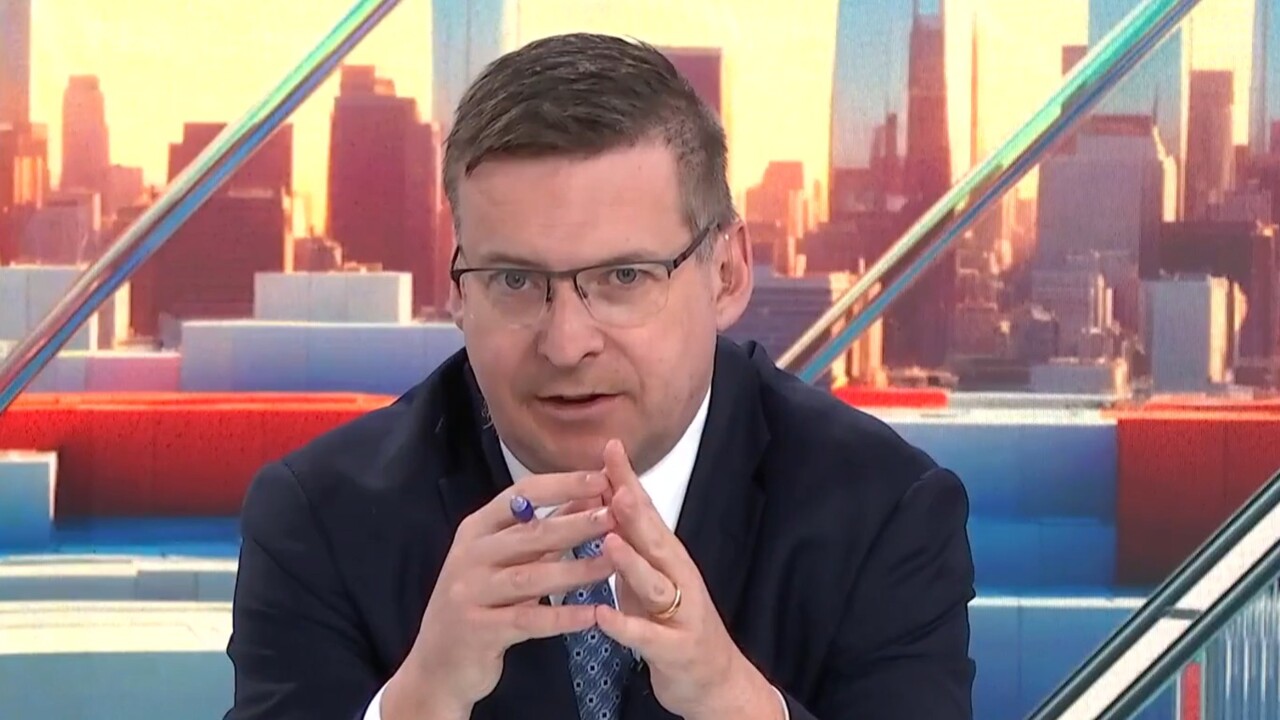
But critics in the discussion pushed back strongly, warning that lower clearance rates and rising interest rates are instead creating a “perfect storm” for sellers, investors, and overall market stability.
One line of argument raised during the segment was that policies such as changes to negative gearing may only gradually impact prices over time, while immediate pressures like borrowing costs are already reshaping demand in real time.
The debate quickly widened beyond tax policy, touching on immigration levels, population growth, and whether supply pressures are making affordability structurally worse in major cities.
Figures cited during the exchange suggested Australia’s population could approach 30 million by 2030, driven heavily by migration, adding further strain to housing demand.
At the political level, the conversation turned sharply toward voter sentiment, with One Nation’s rising polling performance described as a sign of growing frustration among sections of the electorate.
Clennell warned that major parties risk underestimating that shift, arguing that anti-establishment movements internationally — from Trump to Brexit — show how quickly political landscapes can change when economic pressure builds.
The segment also featured criticism of political communication styles, with commentators suggesting modern politicians rely too heavily on rehearsed “talking points” rather than direct messaging that resonates with everyday voters.
Opposition figures, including Pauline Hanson, were framed as benefiting from a more blunt and unfiltered communication style that some viewers interpret as more “authentic.”
As the debate concluded, one theme stood out clearly: Australia’s housing market is no longer just an economic issue — it has become a deeply political battleground, with conflicting visions over affordability, migration, and the future direction of the country.
And as pressure builds across all sides, the question hanging over Canberra is becoming harder to avoid… how long before housing turns into the defining political crisis of the next election? 🔥






