🔥 BREAKING: TRUMP PROMISED TO RELEASE THE EPSTEIN FILES — COLBERT SAYS THE QUIET PART OUT LOUD, STUDIO ERUPTS ⚡
When former President Donald J. Trump said he would release the so-called Epstein files—flight logs, names and documents related to the late financier Jeffrey Epstein—the promise landed with the force of a political thunderclap. For years, the Epstein case has lingered as one of the most unsettling unresolved scandals in recent American history, raising persistent questions about power, privilege and accountability.
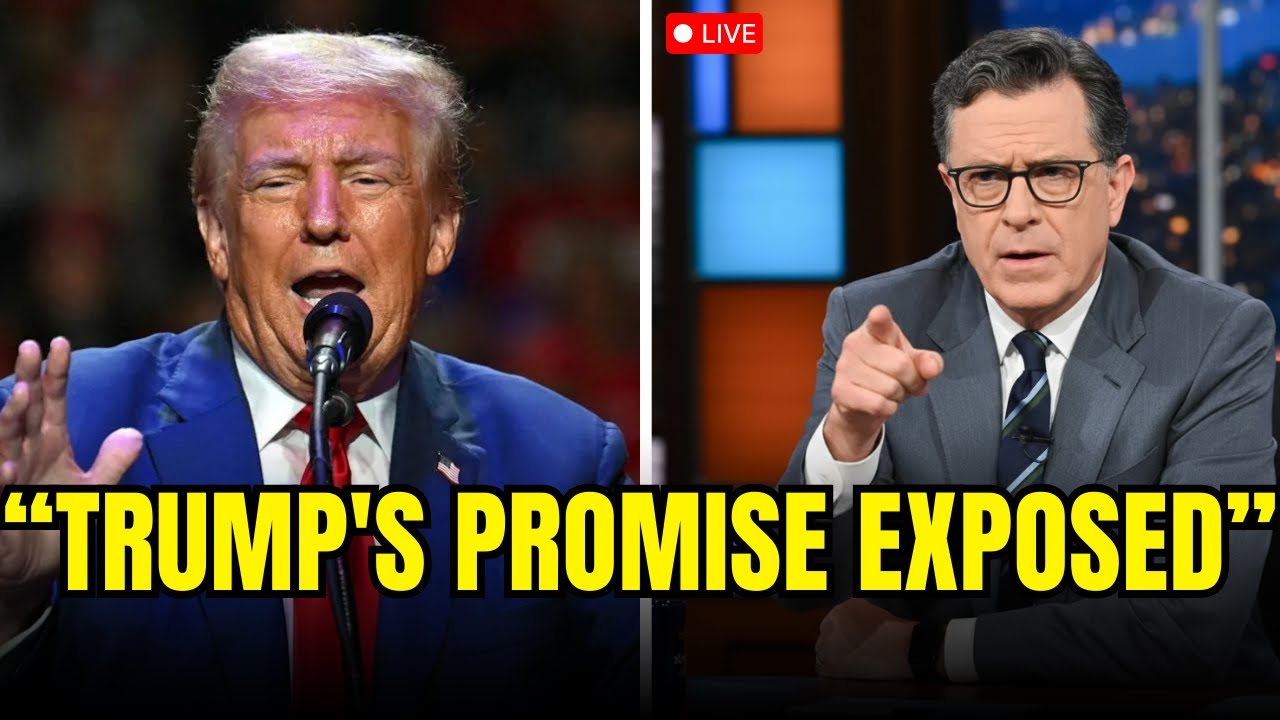
But when Stephen Colbert addressed Mr. Trump’s pledge on The Late Show, his response was notably restrained. There was no celebration, no triumphant declaration that the truth was finally at hand. Instead, Mr. Colbert articulated what many Americans appeared already to be thinking: skepticism.
The segment, which quickly spread online, illustrated how late-night television has become an unexpected forum for civic doubt. Mr. Colbert did not accuse Mr. Trump of wrongdoing, nor did he claim knowledge of what the files might contain. Rather, he asked a simpler, more destabilizing question: Why would any political figure voluntarily release information that could implicate people from their own social and professional circles?
That question resonated precisely because it required no new evidence. The public record already shows that Mr. Trump and Mr. Epstein moved in overlapping elite social worlds in the 1990s and early 2000s. Photographs, interviews and past remarks have long documented that proximity. While Mr. Trump has since said the two had a falling out and that he distanced himself from Mr. Epstein well before the financier’s legal troubles became public, the historical overlap remains part of the broader narrative.
The Epstein case itself has become what some legal scholars describe as a “symbolic wound” in American public life. Mr. Epstein’s 2019 death in federal custody—officially ruled a suicide—did little to quiet suspicion or public anger. Instead, it intensified demands for transparency. Who else was involved? Why were some figures scrutinized while others appeared untouched? And would the justice system ever provide answers proportionate to the scale of the allegations?
Against that backdrop, Mr. Trump’s promise of “full transparency” sounded, to many, like long-awaited vindication. To his supporters, it positioned him as an outsider willing to expose entrenched elites. To his critics, it raised immediate questions about credibility and follow-through.
Mr. Colbert’s segment focused on that tension. He reminded viewers of a recurring pattern in modern political communication: bold declarations followed by partial disclosures or shifting explanations. The skepticism, the host suggested, was not partisan cynicism but institutional memory.
The audience response was striking not for its laughter but for its recognition. Applause followed moments of questioning rather than punch lines. The reaction suggested a shared understanding that the issue was less about any single individual and more about whether power ever truly subjects itself to scrutiny.
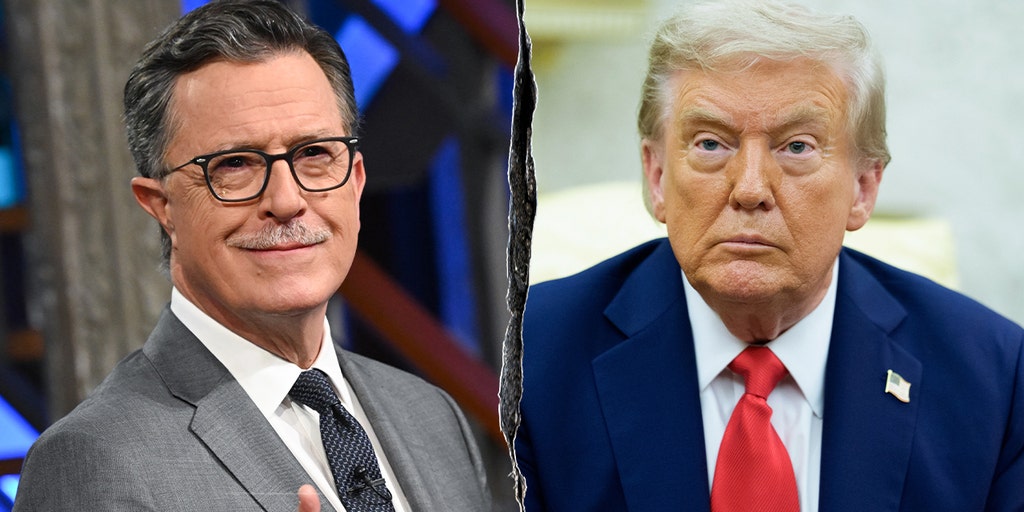
Mr. Trump, for his part, has repeatedly framed the Epstein controversy as a problem belonging to his political opponents, asserting that prominent Democrats were more closely connected to Mr. Epstein than he was. That argument has played well with some voters, particularly those already distrustful of elite institutions. Yet critics argue that such framing risks turning a demand for justice into a partisan deflection.
What made Mr. Colbert’s commentary resonate was its emphasis on uncertainty. He did not claim to know whether the files would be released, nor did he speculate about specific names. Instead, he posed a dilemma: If the files are released, the public will scrutinize who appears in them. If they are not, the promise itself becomes another data point in the erosion of trust.
Late-night television has increasingly occupied this space between journalism and entertainment. While comedians are not bound by the conventions of news reporting, they often articulate doubts that traditional media, constrained by sourcing and verification standards, approach more cautiously. In moments like this, satire functions less as ridicule and more as a form of collective questioning.
The Epstein case, Mr. Colbert implied, is not solely about one man or one administration. It reflects a broader concern that systems designed to protect the vulnerable too often shield the powerful. Accountability, in this view, is not automatic. It must be demanded repeatedly, even when doing so is uncomfortable.
Whether the Epstein files will be released in full remains unclear. Political promises have a way of softening with time, particularly when they intersect with legal complexity and personal risk. What is clear is that public patience is thin.
Mr. Trump made a pledge that spoke directly to a national unease. Mr. Colbert responded not by endorsing or rejecting it, but by naming the doubt surrounding it. In doing so, he captured a moment of uneasy vigilance—one in which Americans are still waiting, still asking, and still unsure whether transparency will ever fully arrive.






