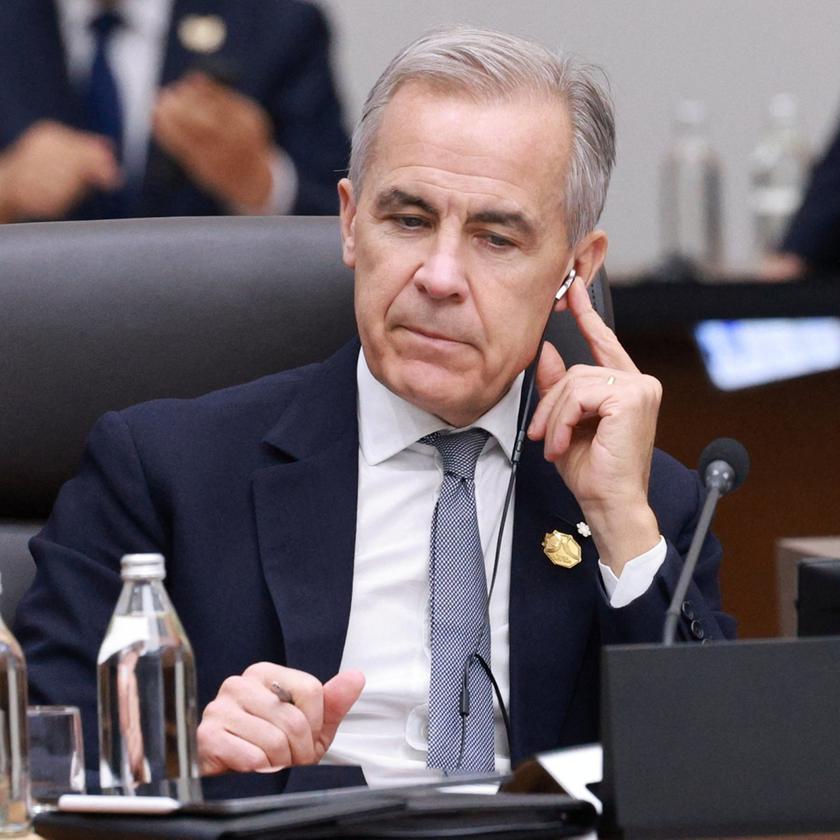
Ottawa — A political storm is intensifying in the capital as Prime Minister Mark Carney finds himself under growing pressure over Canada’s deepening affordability crisis, with housing costs, inflation, and everyday living expenses dominating the national conversation from coast to coast.
What began as a steady undercurrent of public frustration has now escalated into a full-scale political debate gripping Parliament Hill. Canadians are increasingly vocal about what they describe as an economy that feels increasingly out of reach — especially for younger households, renters, and those on fixed incomes.
At the heart of the controversy is a simple but politically explosive question: are federal policies doing enough to keep life affordable in Canada?

A country feeling the squeeze
Across major urban centres like Toronto and Vancouver, housing prices remain stubbornly high, pushing home ownership further out of reach for many first-time buyers. Renters, too, are feeling the strain, with monthly costs rising faster than wage growth in many parts of the country.
Beyond housing, Canadians continue to point to rising grocery bills, transportation costs, and household expenses as evidence that inflationary pressures are still shaping daily life — even as government officials highlight broader economic stabilization efforts.
In neighbourhood conversations, online forums, and political town halls, the sentiment is increasingly consistent: life feels more expensive, and relief is not arriving fast enough.
Political pressure builds on Carney
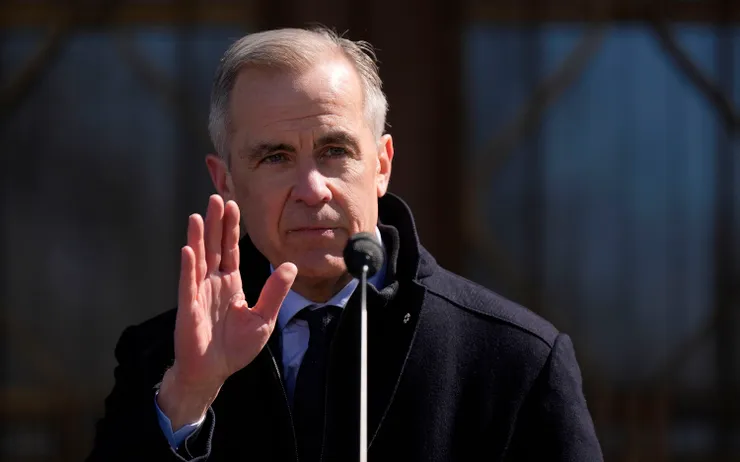
The growing affordability debate has placed Prime Minister Carney at the centre of national scrutiny. Critics argue that federal responses to cost-of-living pressures have not gone far enough to address structural economic challenges that have built up over the past decade.
Opposition voices, particularly from Conservative ranks, have seized on the issue, arguing that government spending, taxation levels, and regulatory frameworks have contributed to sustained pressure on households.
Opposition leader Pierre Poilievre and his supporters have repeatedly pointed to affordability as a defining failure of current economic management, framing it as a long-term trend rather than a temporary cycle.
They argue that Canada’s economic model requires sharper fiscal discipline and structural reform to restore confidence among middle-class Canadians.
Competing narratives in Parliament
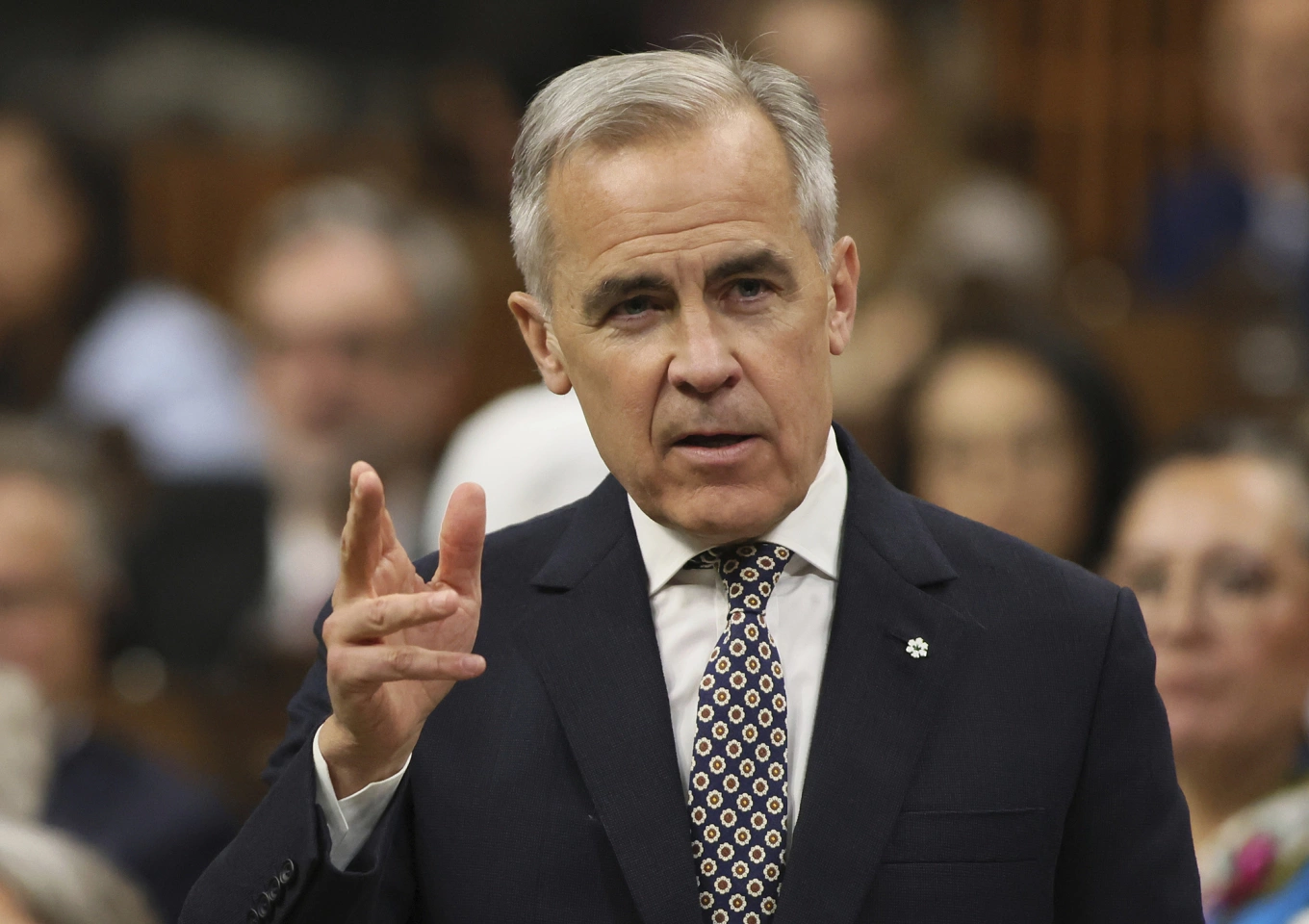
Inside Parliament, the debate has become sharply divided.
Government supporters defend the broader economic strategy, emphasizing infrastructure investment, social support programs, and targeted affordability measures. They argue that global forces — including supply chain disruptions, international inflationary cycles, and geopolitical uncertainty — have significantly influenced domestic prices.
According to this view, Canada is not isolated from global economic pressures, and policy responses must balance immediate relief with long-term economic resilience.
However, critics remain unconvinced. They argue that government policy choices over the past several years have exacerbated existing pressures rather than alleviating them, particularly in housing supply and taxation frameworks.
The result is a widening political divide over not just solutions, but the diagnosis of the problem itself.
Housing: the centre of the crisis
If there is one issue that dominates the affordability debate, it is housing.
Home prices in Canada have surged dramatically over the past decade, and although some markets have cooled slightly, affordability remains out of reach for many Canadians — especially younger buyers.
In cities like Toronto, Vancouver, and surrounding metropolitan regions, the gap between income levels and property prices continues to fuel frustration. Many prospective homeowners are now delaying purchases indefinitely or turning to long-term renting as their only viable option.
Critics argue that insufficient housing supply, zoning restrictions, and investment dynamics have contributed to the imbalance, while government officials point to ongoing housing initiatives aimed at increasing supply and improving affordability.
Still, for many Canadians, the lived reality remains unchanged: home ownership feels increasingly like a distant goal rather than a realistic milestone.
Inflation and everyday costs
Beyond housing, inflation continues to shape the broader affordability narrative.
Food prices remain a key concern, with grocery bills significantly higher than in previous years. Transportation and fuel costs have also contributed to household strain, particularly for families in suburban and rural areas where commuting is unavoidable.
While inflation has moderated compared to peak levels, the cumulative impact of several years of rising prices continues to weigh heavily on household budgets.
For many Canadians, the challenge is not just the rate of inflation today, but the permanently higher cost baseline created by past increases.
A debate over leadership and experience
The discussion has also extended into scrutiny of Prime Minister Carney’s background in global finance and economic policymaking.
Critics question whether his professional experience adequately reflects the day-to-day financial pressures faced by working Canadians. They argue that high-level financial expertise does not always translate into solutions for housing affordability, wage stagnation, and household debt.
Supporters, however, counter that his international financial experience provides valuable insight into managing complex economic systems and navigating global uncertainty.
This contrast has become a defining feature of the current political narrative: technocratic expertise versus lived economic experience.

Calls for accountability and early election speculation
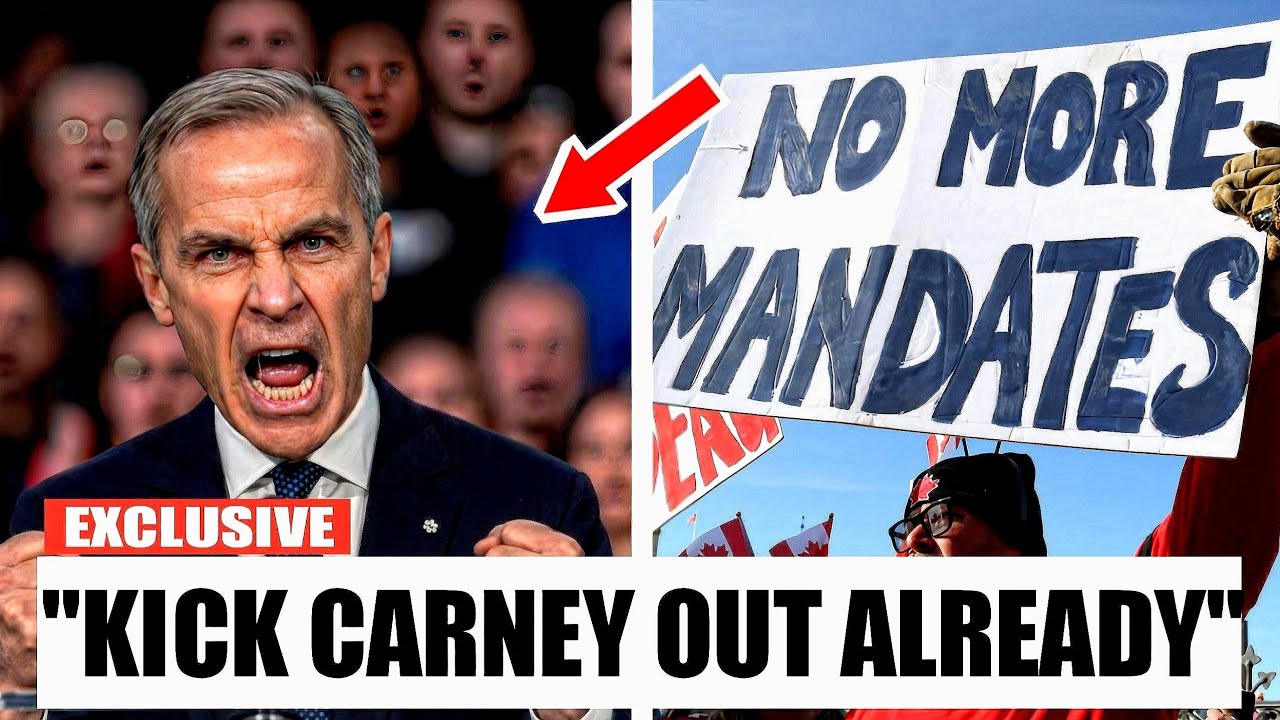
The transcript circulating in political discussions has also sparked renewed talk about accountability and democratic engagement. Some critics are calling for stronger transparency measures and more direct responses from elected officials regarding affordability challenges.
Amid the growing pressure, there is also emerging speculation about a possible early election call, further intensifying the political stakes. While no formal confirmation has been made, the suggestion alone has added urgency to an already heated national debate.
A widening political divide
Across the political spectrum, there is agreement on one point: affordability has become the defining issue of Canadian politics.
But agreement ends there.
Liberals emphasize global economic pressures and long-term investment strategies. Conservatives argue for fiscal restraint and structural reform. Meanwhile, many Canadians remain caught in the middle, navigating rising costs with limited immediate relief.
The debate has exposed deeper divisions over the role of government in shaping economic outcomes — and how much responsibility leaders should bear when households feel financial strain.
A national conversation far from over
As the political pressure continues to build, Prime Minister Carney faces the difficult task of balancing economic strategy with public frustration. The challenge is not only policy-driven but deeply political: restoring confidence in an environment where many Canadians feel increasingly disconnected from official economic messaging.
What is clear is that the affordability crisis is no longer a background issue. It is now the central storyline shaping Canadian politics.
And with housing costs still elevated, inflation lingering in public memory, and political divisions sharpening, this debate is unlikely to fade anytime soon.






