Canada is entering a decisive moment in its trade relationship with the United States as tensions, timelines, and expectations converge ahead of a high-level meeting in Washington that could influence the future of the Canada–United States–Mexico Agreement (CUSMA).
With just weeks remaining before key deadlines, pressure is mounting on Canadian officials to secure clarity, direction, and momentum in negotiations that have yet to formally begin.
A meeting with everything on the line
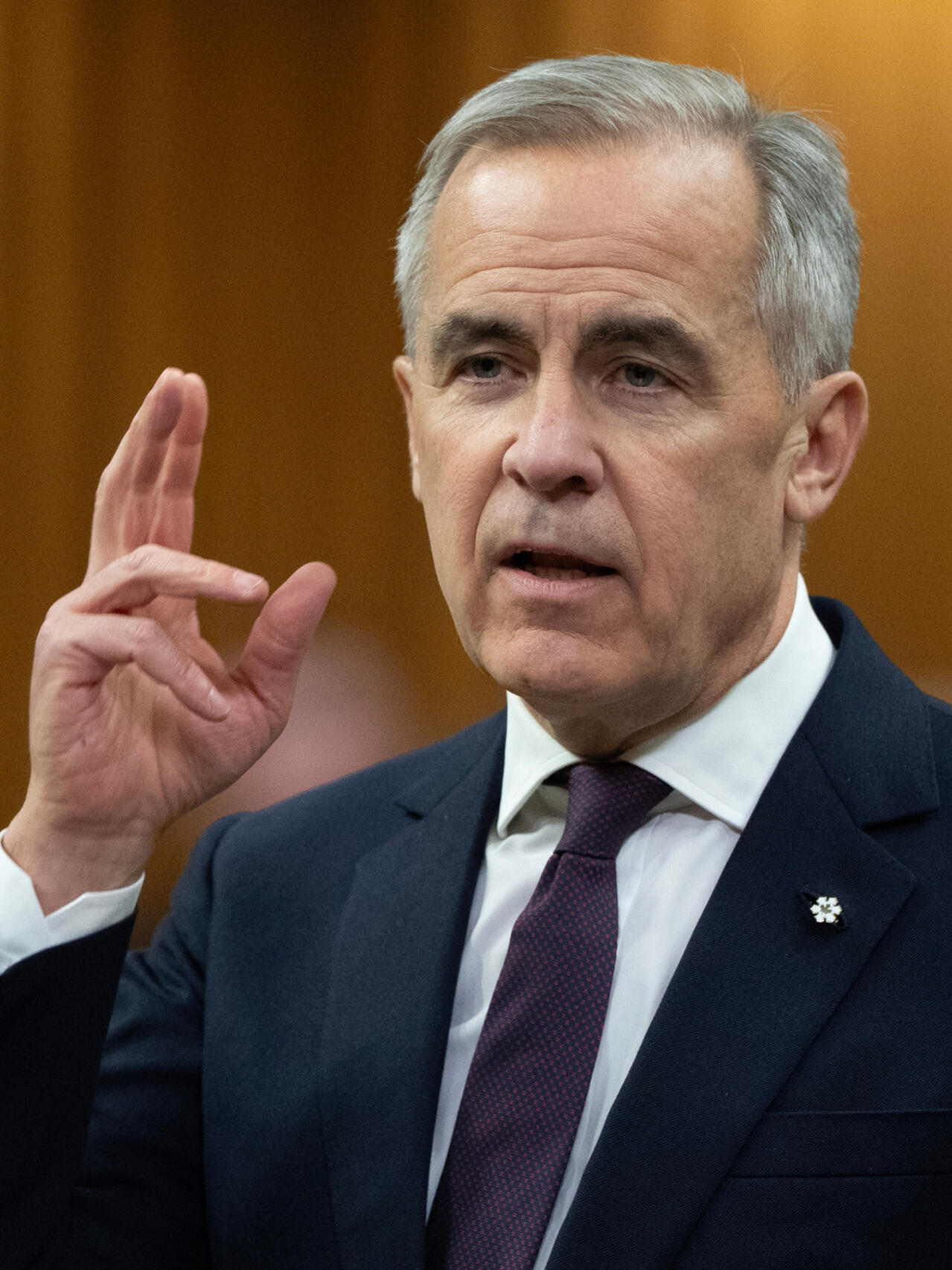
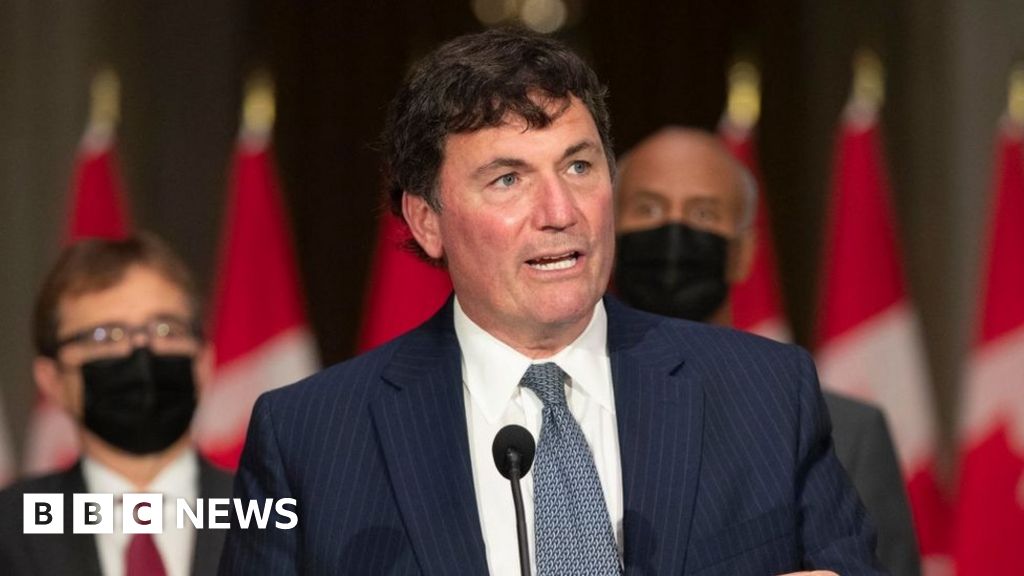
At the centre of the unfolding situation is a scheduled meeting between Canada’s Trade Minister Dominic LeBlanc and U.S. Trade Representative Jameson Greer in Washington.
While officially described as part of ongoing diplomatic engagement, the meeting is now being viewed in political and economic circles as potentially pivotal.
Some observers are calling it Canada’s most important trade conversation in months — possibly years.
A shrinking window of time
The urgency stems from a rapidly narrowing timeline.
With fewer than 30 days remaining before a key symbolic and procedural deadline around July 1, concerns are growing that Canada risks falling behind in shaping the next phase of CUSMA implementation discussions.
While the United States and Mexico are reportedly moving ahead with coordination in certain areas, Canada has yet to enter fully structured negotiations.
The stakes: over $900 billion in trade
CUSMA governs hundreds of billions of dollars in annual trade across North America.
Estimates place the total value of affected economic activity at over $900 billion annually, spanning energy, agriculture, manufacturing, automotive supply chains, and services.
Any disruption or delay in renegotiation or renewal frameworks could ripple through employment, investment decisions, and cross-border industrial planning.
Canada’s strategic concern: being left behind
One of the central concerns raised in policy discussions is not just disagreement — but potential marginalisation.
Analysts warn that if Canada fails to secure a defined negotiation pathway, it risks being sidelined while the U.S. and Mexico advance bilateral coordination on priority sectors.
Such an outcome would not necessarily mean formal exclusion, but could reduce Canada’s influence in shaping the next phase of agreement updates.
What Canada wants from the meeting
Diplomatic sources suggest Canada’s immediate objective is not a final deal, but something more fundamental: structure.
That includes securing a confirmed timeline for formal negotiations, establishing clear working groups, and ensuring Canada is fully integrated into trilateral discussions.
Without that framework, officials fear the process could drift into uncertainty.
The high-risk scenario
The worst-case scenario being discussed in policy circles is a continuation of ambiguity.
This would involve no firm negotiation schedule, no structured framework, and continued reliance on informal discussions.
In such a scenario, Canada could find itself reacting to developments rather than shaping them.
The best-case outcome
On the other hand, the most favourable result from the Washington meeting would be agreement on a clear start date for formal talks.
This would signal that Canada remains fully embedded in the CUSMA process and has secured its place in upcoming renegotiation cycles.
Even symbolic progress would be seen as politically significant.
The political backdrop in Ottawa
Prime Minister Mark Carney has spent recent days engaging with provincial leaders and economic stakeholders in an effort to present a unified national position ahead of the meeting.
The strategy appears focused on demonstrating internal alignment and economic stability before entering discussions with U.S. counterparts.
However, critics argue that alignment at home does not guarantee leverage abroad.
A fragile trade environment
The broader context for the meeting is a North American trade environment that is becoming increasingly complex.
Supply chains remain sensitive following years of disruption, while geopolitical tensions and industrial policy shifts in multiple countries have added new layers of uncertainty.
CUSMA itself, while still in force, is widely seen as entering a politically sensitive phase of reassessment.
Why timing matters now more than ever
Trade experts emphasize that timing in negotiations can be as important as substance.
Entering talks late can limit influence over agenda-setting, technical frameworks, and dispute resolution structures.
For Canada, being early in the process is viewed as strategically important to maintaining parity with its trading partners.
Domestic economic implications
Beyond international diplomacy, the outcome of these discussions carries significant domestic consequences.
Key Canadian industries — particularly automotive manufacturing, energy exports, and agricultural trade — depend heavily on predictable access to U.S. markets.
Even minor changes in trade certainty can affect investment flows and hiring decisions.
Business uncertainty begins to rise
Some Canadian business groups have already expressed concern that prolonged uncertainty could delay expansion plans or capital investment decisions.
In sectors with long planning cycles, clarity on trade rules is often as important as the rules themselves.
The pressure on negotiators
For Canadian negotiators, the challenge is not only securing favourable terms but ensuring the process itself does not fragment.
Maintaining Canada’s position as an equal partner in trilateral discussions is seen as essential to avoiding asymmetry in decision-making.
A meeting that carries symbolic weight
Even if no major breakthroughs occur in Washington, the optics of the meeting will matter.
Diplomatic engagement at this level signals whether momentum exists — or whether negotiations risk stalling before they fully begin.
One meeting, many outcomes
The possible outcomes range widely: from structured negotiation progress to extended uncertainty.
Each scenario carries different implications for Canada’s economic positioning in North America.
The final 24-hour pressure point
As the Washington meeting approaches, attention is intensifying on what may be said, agreed, or left unresolved within a single day of diplomacy.
For Canada, the stakes are not just procedural — they are strategic.
And the question hanging over everything
When the meeting concludes, officials may face a familiar but critical question:
Did Canada secure its place at the table — or just buy more time before the real decisions are made elsewhere?






