THE WORLD CUP BEFORE THE WHISTLE: HOW FIFA’S AMERICAN GAMBLE DESCENDED INTO LEGAL CHAOS, POLITICAL BACKLASH AND A BILLION-DOLLAR WARNING
Eleven days before the opening match of the 2026 FIFA World Cup, the tournament that was supposed to symbolize North American unity instead finds itself shadowed by subpoenas, spiraling public anger and mounting doubts about whether the largest sporting spectacle on Earth has become too expensive, too corporate and too structurally fragile to sustain itself.
The investigation began quietly.
Then it exploded.
New York and New Jersey formally subpoenaed FIFA over allegations tied to ticket pricing, seat reclassification and what officials described as potentially deceptive sales practices. (euronews)
At the center of the dispute are fans who believed they had purchased premium seats near the field, only to later discover that sections had been altered, moved or redesignated.
Many now suspect FIFA intentionally reshaped stadium maps to maximize corporate hospitality revenue.

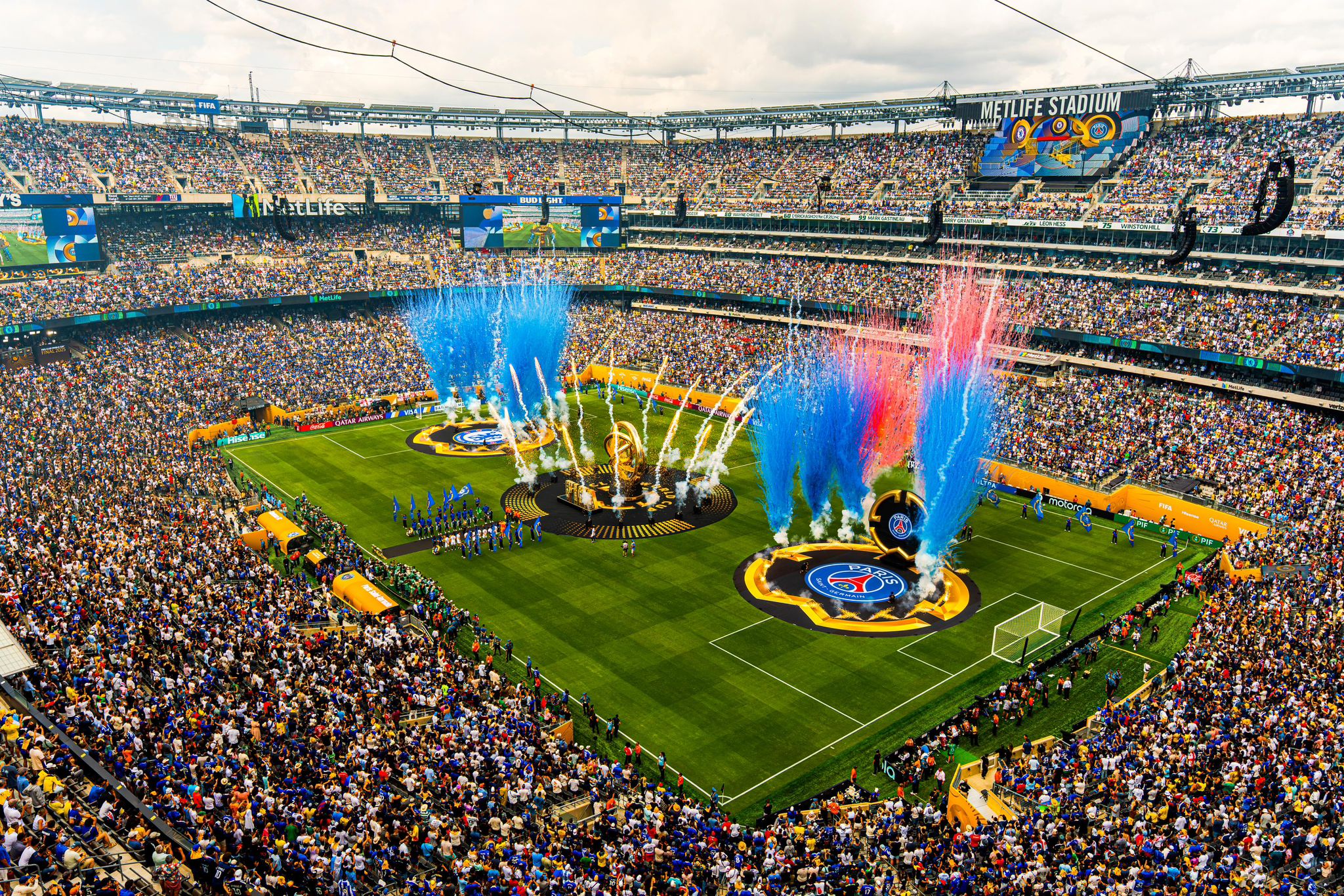

For FIFA, the timing could hardly be worse.
The World Cup is not merely a tournament. It is the organization’s financial engine, political showcase and global legitimacy machine rolled into one.
And now, days before kickoff, it is being investigated on American soil.
The attorneys general involved say they are examining complaints surrounding dynamic pricing systems, fluctuating ticket categories and seat assignments that allegedly failed to match the expectations created during purchase. (euronews)
Consumer frustration has been building for months.
Fans across Reddit forums, ticketing communities and supporter organizations have described the process using words like “misleading,” “scam” and “artificial scarcity.” (Reddit)
Some supporters paid thousands of dollars for Category 1 tickets only to end up in corners or behind goals.
Others discovered that entire premium sections appeared unavailable, fueling accusations that FIFA withheld inventory to inflate demand perception. (Reddit)
What once looked like online outrage has now evolved into regulatory scrutiny.
That shift matters.
Because America’s consumer protection system is unusually aggressive compared with many global sporting jurisdictions.
And FIFA, an institution long accustomed to operating above national political turbulence, suddenly finds itself confronting attorneys general instead of football federations.
The financial backdrop only intensifies the pressure.
Ticket prices for the 2026 World Cup have surged to levels that many longtime supporters describe as historically unprecedented. (Al Jazeera)
Premium seats for the final reportedly climbed above $10,000.
Luxury hospitality packages reached dramatically higher levels.
Meanwhile, average supporters found themselves competing in pricing systems that fluctuated by demand, market timing and resale dynamics.


To FIFA executives, dynamic pricing represents modern revenue optimization.
To many fans, it represents the transformation of football into a luxury product.
Supporter organizations across Europe and North America have argued that the tournament increasingly feels designed for corporations rather than ordinary spectators. (Al Jazeera)
That criticism has become especially potent because of where this World Cup is taking place.
The United States promised scale, infrastructure and commercial power.
It delivered all three.
But critics increasingly argue that those same strengths have overwhelmed the sporting identity of the tournament itself.
The sponsorship numbers tell part of the story.
American corporations now dominate FIFA’s commercial ecosystem surrounding the tournament, with companies such as Visa, Coca-Cola and Bank of America occupying central sponsorship positions.
Canada and Mexico, despite sharing hosting responsibilities, appear economically overshadowed.
That imbalance is becoming politically toxic in Canada.
New estimates from Canadian officials indicate hosting costs have ballooned dramatically beyond original projections.
Public frustration has grown accordingly.
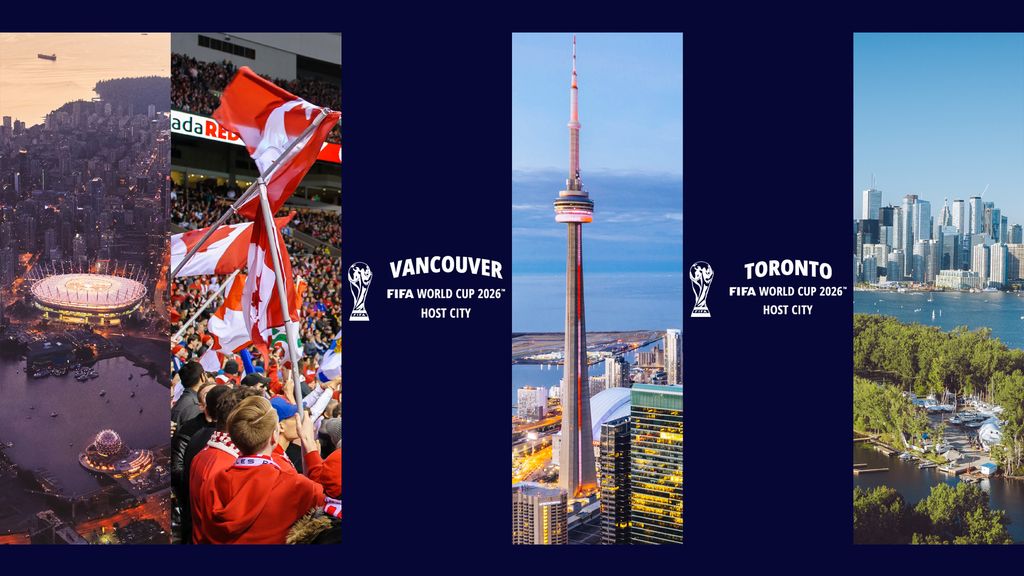
In Toronto and Vancouver, residents increasingly question why billions in public resources are being directed toward a football tournament while housing shortages, healthcare strain and infrastructure stress continue worsening.
For many Canadians, the World Cup has begun to resemble a subsidy flowing outward rather than an investment flowing inward.
That perception could reshape future multinational sports bids for years.
Because mega-events depend on political legitimacy almost as much as they depend on stadium construction.
And political legitimacy becomes fragile when taxpayers believe private organizations capture most rewards while governments absorb most risks.
The tension extends far beyond economics.
FIFA has also faced criticism regarding accessibility policies and fan accommodations.
Advocates for disabled supporters accused the organization of mishandling companion seating systems and pricing structures. (The Guardian)
Others warned that transportation systems surrounding several host cities remain inadequate for the enormous crowds expected to arrive next summer.
Fans interviewed across all 16 host cities repeatedly cited fears about affordability, congestion and logistical breakdowns. (The Guardian)
And beneath all of it sits another uncomfortable reality.
The host nation’s football team looks unprepared.
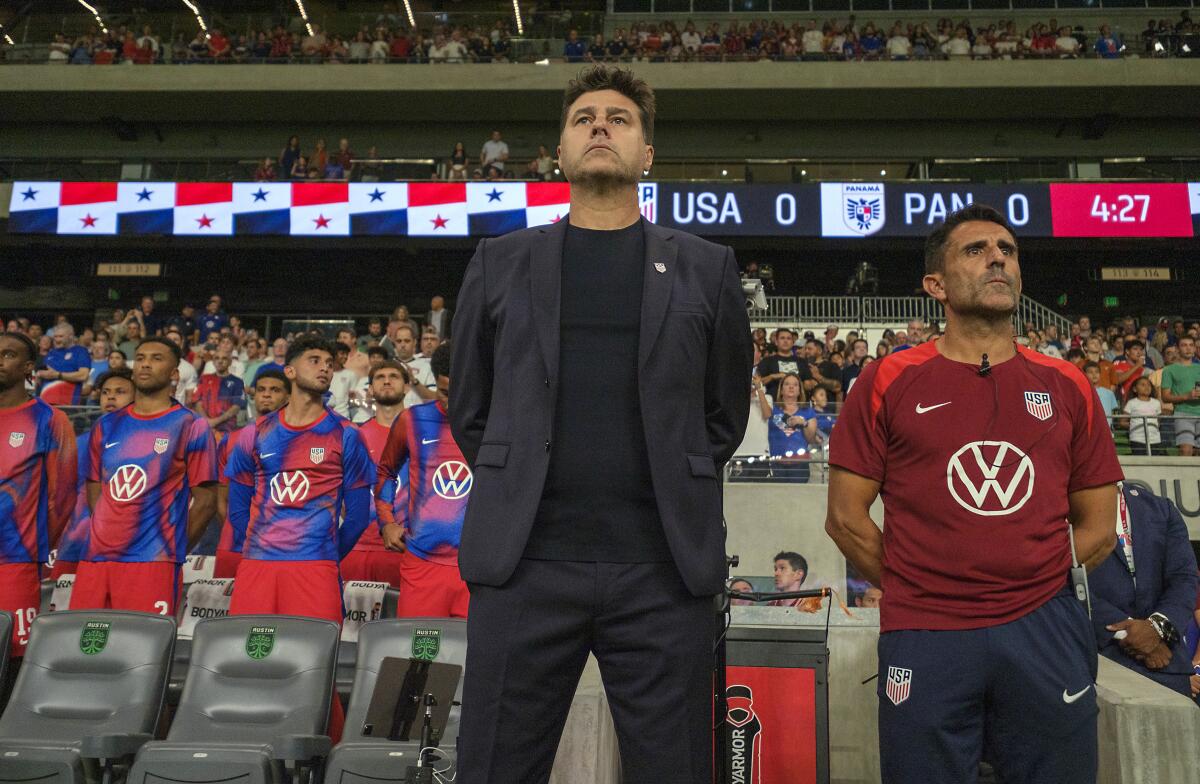

Mauricio Pochettino arrived as the high-profile manager expected to transform the United States men’s national team into a credible global contender.
Instead, reports now suggest his representatives explored opportunities with AC Milan before the tournament even began.
Pochettino himself offered only vague responses when questioned publicly.
That ambiguity intensified speculation that the American project already feels unstable from inside the locker room itself.
The symbolism matters.
Host nations are supposed to generate emotional momentum before a World Cup.
Instead, the United States appears trapped in a cycle of uncertainty.
The federation’s sporting leadership has experienced turnover.
The roster remains inconsistent.
Home crowds have often been overtaken by opposing supporters.
And international confidence in the team’s competitiveness remains weak after a series of disappointing performances.
None of this means the tournament will fail.
In fact, commercially, FIFA will almost certainly generate enormous revenue.
Broadcast audiences will still reach billions.
Corporate partnerships will remain lucrative.
Stadiums for major matches will still fill.
But success and stability are not the same thing.
What makes this moment unusual is the growing gap between financial success and public confidence.
The World Cup increasingly resembles a spectacle functioning despite rising institutional distrust rather than because of institutional trust.
That distinction matters historically.
Mega-events traditionally operate by convincing populations that short-term sacrifice produces long-term civic pride.
Olympics promise urban transformation.
World Cups promise international prestige.
But when costs escalate while access narrows, those narratives begin to fracture.
The 2026 tournament may become a defining example of that fracture.
Already, FIFA faces criticism from multiple ideological directions simultaneously.
Progressives attack corporate extraction and affordability failures.
Conservatives question public spending commitments.
Supporters groups criticize commercialization.
Accessibility advocates criticize seating policies.
And local governments privately worry about financial exposure if projected economic benefits underperform.
Even cultural symbolism has produced controversy.
One FIFA scheduling decision involving LGBTQ-themed promotional programming alongside teams from countries where homosexuality remains criminalized triggered diplomatic discomfort and criticism from multiple directions.
The incident illustrated how difficult it has become for global institutions to navigate cultural politics across radically different political systems.
FIFA now operates in an era where every decision becomes instantly globalized, politicized and scrutinized online.
And unlike previous World Cups, this one unfolds inside the world’s most polarized media ecosystem.
America magnifies everything.
Especially conflict.

There is another deeper issue quietly emerging beneath the headlines.
Infrastructure.
The United States possesses immense stadium capacity and commercial infrastructure.
But transportation, urban planning and crowd movement systems vary dramatically between cities.
Several host locations remain heavily car-dependent.
Public transit access differs widely.
Extreme summer heat projections in some regions have also triggered concern among medical experts and supporters alike.
In previous tournaments, governments often centralized preparation systems.
The American model is more fragmented.
Cities negotiate separately.
States negotiate separately.
Federal coordination remains inconsistent.
That decentralization creates flexibility, but also vulnerability.
Especially when deadlines tighten.
Already, questions persist surrounding federal funding commitments previously discussed for host city support.
Local organizing committees have reportedly expressed concern regarding unresolved financial expectations.
The politics surrounding those negotiations may intensify if operational problems emerge during the tournament itself.
Because once billions of viewers are watching, local administrative failures become global reputational events.
FIFA likely understands this.
Which is why many analysts expect some form of settlement or compromise regarding ticket investigations before the knockout stages begin.
The organization cannot afford a prolonged legal spectacle running parallel to the final at MetLife Stadium.
Too much money depends on preserving the appearance of control.
Still, even if settlements emerge, the political damage may already be done.
Future host nations will study Canada’s cost overruns carefully.
Taxpayers will study ticket prices carefully.
And regulators will study whether dynamic pricing systems crossed legal lines.
The consequences could extend far beyond football.
Because the 2026 World Cup may ultimately become remembered not only as a sporting event, but as a warning.
A warning about what happens when global spectacle collides with public exhaustion.
A warning about institutions that maximize revenue while underestimating resentment.
And a warning about how even the world’s most powerful brands can struggle when ordinary people begin feeling excluded from the experiences those brands were originally built to celebrate.
The tournament has not even started.
Yet in many ways, the defining story of the 2026 World Cup may already be underway.






