Trump’s “51st State” Talk Dismissed by PM Mark Carney
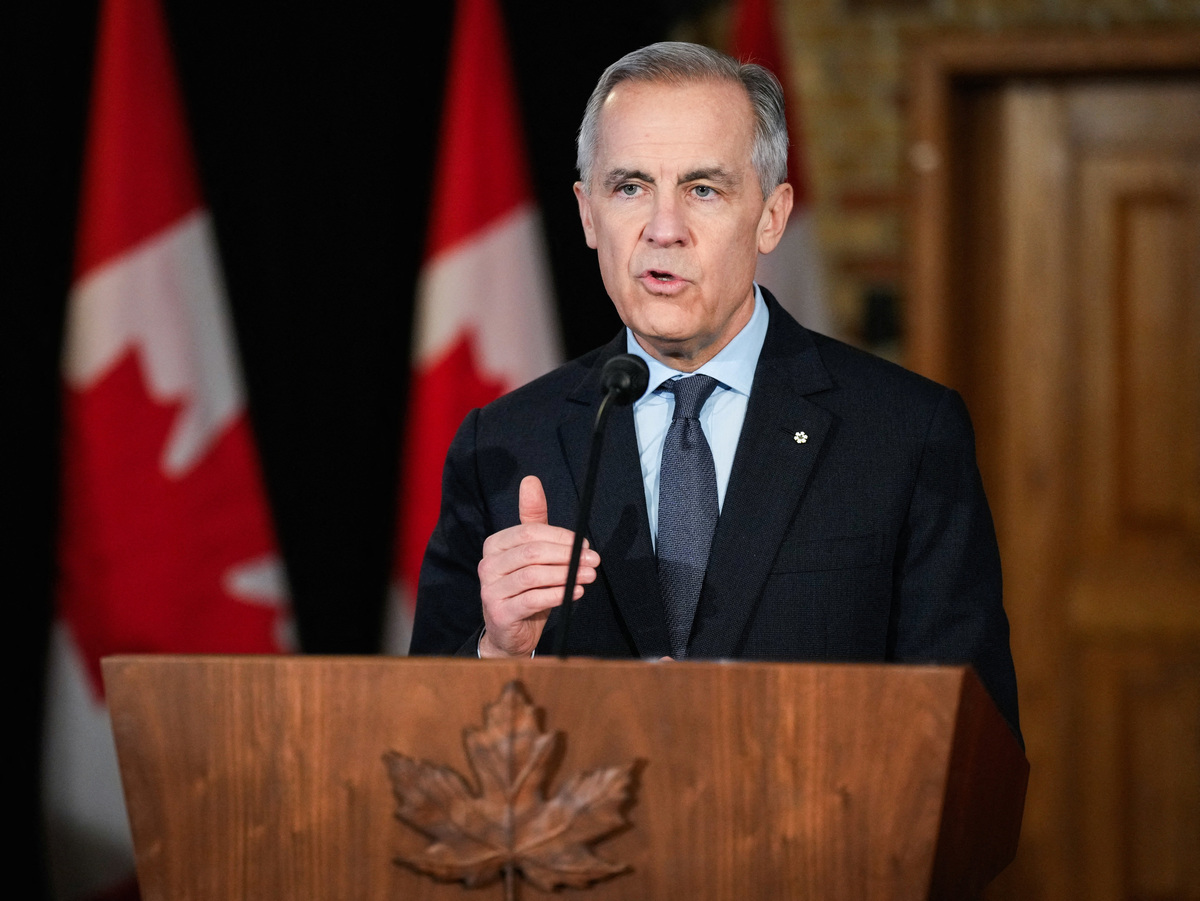
OTTAWA — Prime Minister Mark Carney of Canada on Wednesday played down recent social media comments by President Donald J. Trump suggesting that Canada could become the 51st American state.
Mr. Carney described the remarks as typical of the president’s active online presence and said the Canadian government would not respond to every post.
Social Media Exchange
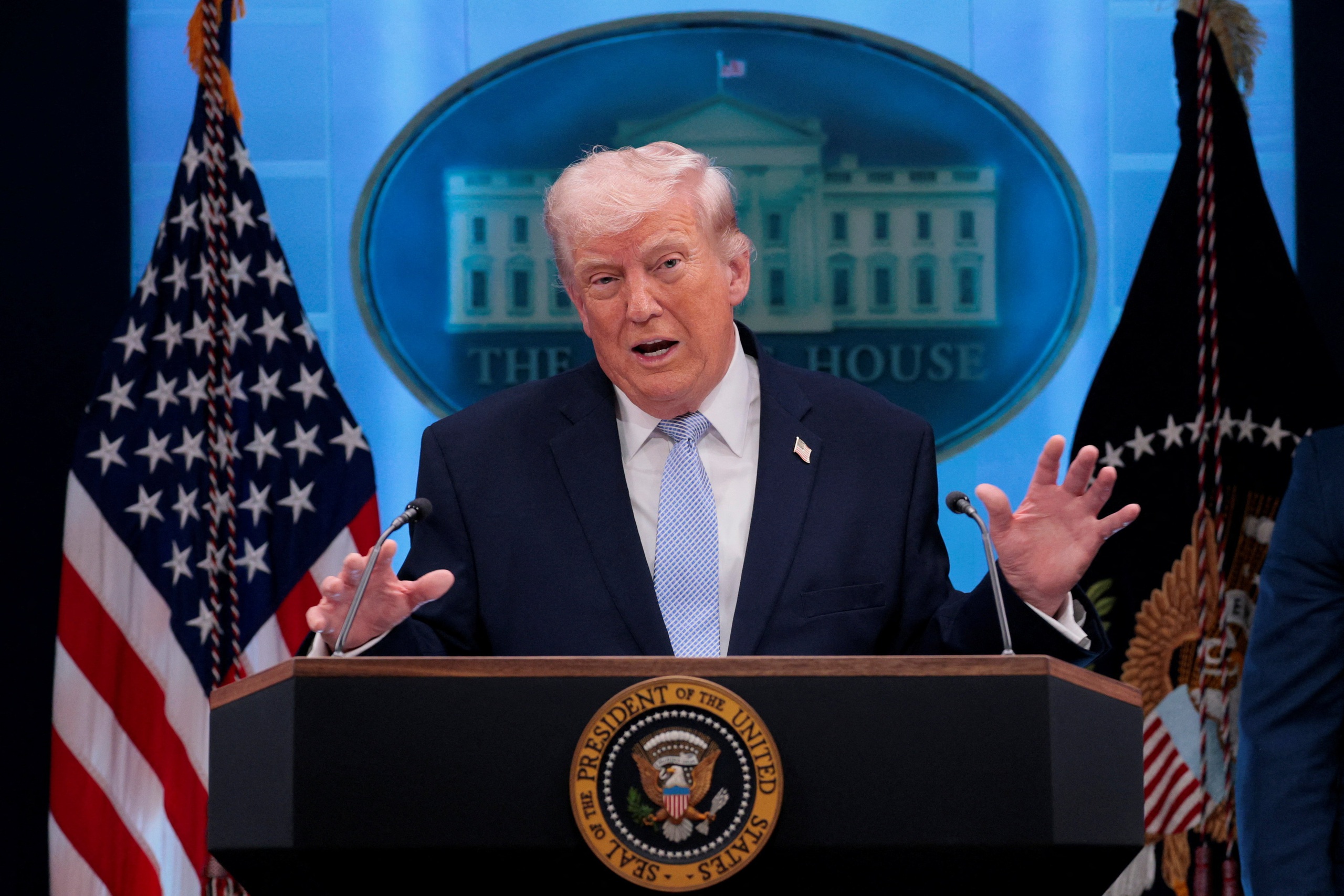
The comments came after Mr. Trump reshared the phrase “51st State!” in response to reports that Canada had entered a technical recession. The U.S. ambassador to Canada, Pete Hoekstra, also reposted the message, amplifying its visibility.
The exchange highlighted persistent tensions in U.S.-Canada relations amid ongoing trade disputes and economic pressures.
Carney’s Response
Speaking to reporters, Mr. Carney emphasized the need for pragmatism. He noted that Canada must work with the current American administration as it exists, describing the United States as Canada’s most important trade and security partner.
“We have to deal with this administration as it is,” Mr. Carney said.
Rejection of Escalation
When asked whether Canada should request the removal of Ambassador Hoekstra over the repost, Mr. Carney responded simply: “No.”
The prime minister’s measured tone contrasted with the provocative nature of the original social media comments.
Context of Economic Strain
The remarks surfaced as Canada faces economic challenges, including a technical recession. Mr. Trump’s post appeared to link the economic news to his long-standing suggestions of closer integration or even annexation.
Canadian officials have consistently rejected such ideas, stressing the country’s sovereignty.
Ongoing Trade Relations
Despite public friction, both nations continue high-level trade negotiations. Mr. Carney has maintained that strong bilateral ties remain essential, even as Canada pursues diversification efforts with Europe and Asia.
Political Calculations
Mr. Carney’s calm response reflects a broader strategy of avoiding escalation with the Trump administration. Canadian diplomats have privately described the approach as “steady diplomacy” in the face of unpredictable public statements from Washington.
Historical Precedent
Suggestions that Canada might join the United States have surfaced periodically in American political discourse but have never gained serious traction in Canada. The idea is widely viewed north of the border as incompatible with Canadian identity and independence.
Public Reaction in Canada
Many Canadians reacted with a mix of amusement and irritation to the latest comments. Social media in Canada featured both mockery of the suggestion and concern over its potential impact on bilateral relations.
U.S. Ambassador’s Role
Ambassador Hoekstra’s decision to repost the message drew criticism from some Canadian commentators, who saw it as undiplomatic. However, the Canadian government has chosen not to pursue formal action.
Economic Interdependence
The United States remains Canada’s largest trading partner by a wide margin. The integrated nature of the two economies, particularly in energy, automotive and critical minerals, makes sustained cooperation essential despite political rhetoric.
Carney’s Leadership Style
Since taking office, Mr. Carney has positioned himself as a steady hand in managing relations with the unpredictable Trump administration. His background as a former central banker has shaped a pragmatic, results-focused approach to diplomacy.
Broader Strategic Outlook
Canada continues to strengthen ties with European and Asian partners to reduce vulnerability to shifts in U.S. policy. At the same time, Ottawa maintains that the U.S. relationship remains foundational to Canadian prosperity and security.
No Change in Policy
Government officials stressed that Mr. Trump’s social media activity does not alter Canada’s core foreign policy objectives. Trade negotiations and defense cooperation under NATO continue on separate tracks.
Public Sentiment
Polls suggest most Canadians reject any notion of becoming part of the United States. The idea is often treated as political theater rather than a serious proposal.
Future Relations
Analysts expect periodic friction between the two countries as long as Mr. Trump remains active on social media. However, both sides have incentives to maintain functional working relationships beneath the public rhetoric.
Conclusion
Mr. Carney’s dismissal of the “51st State” comments reflects a deliberate strategy of de-escalation. By refusing to engage every provocative statement, Canada aims to preserve stability in its most critical bilateral relationship while quietly advancing its own strategic interests.
The episode underscores the unique challenges of conducting diplomacy in an era of constant digital communication from world leaders.






