Australia’s political landscape may be entering one of its most unpredictable periods in decades.
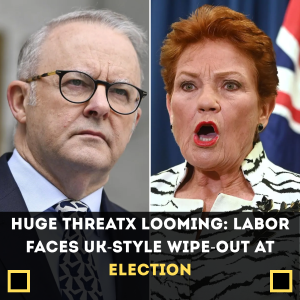
New polling trends, shifting voter sentiment and a series of unexpected electoral results have sparked growing debate about whether the traditional dominance of Labor and the Coalition is beginning to weaken.
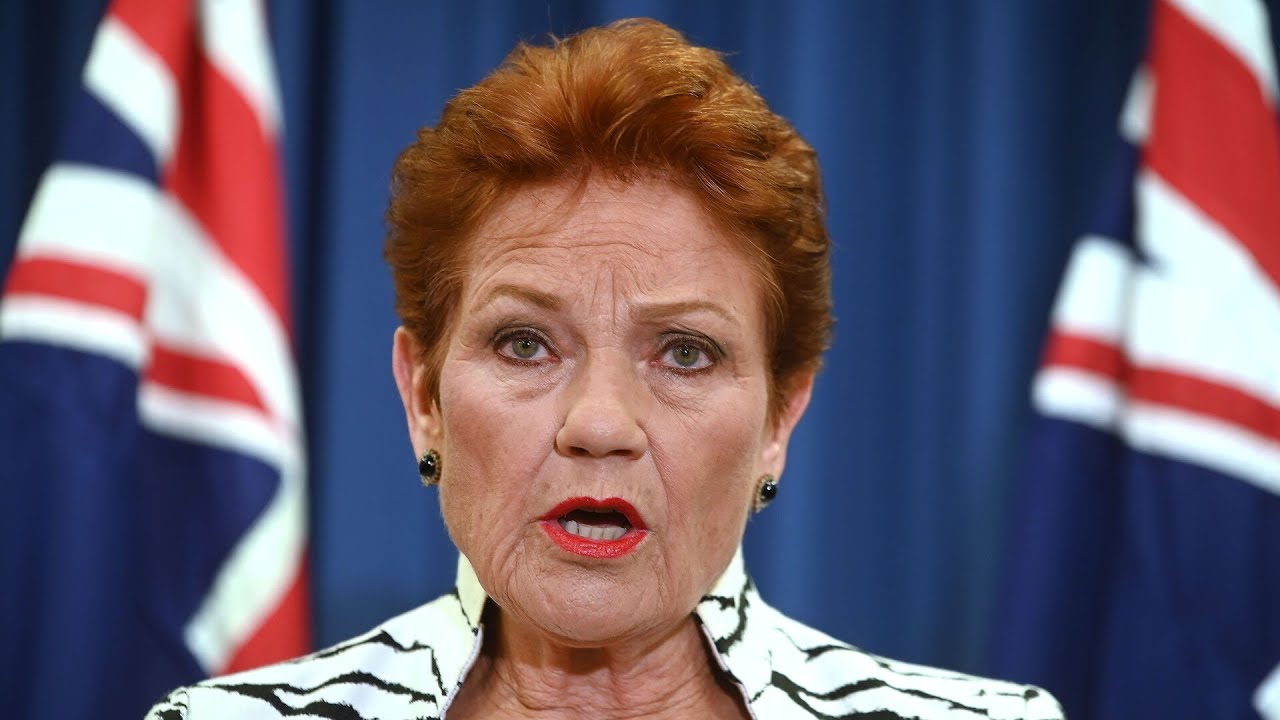
At the centre of that conversation is the continuing rise of Pauline Hanson’s One Nation and the growing willingness of some Australians to look beyond the major parties.
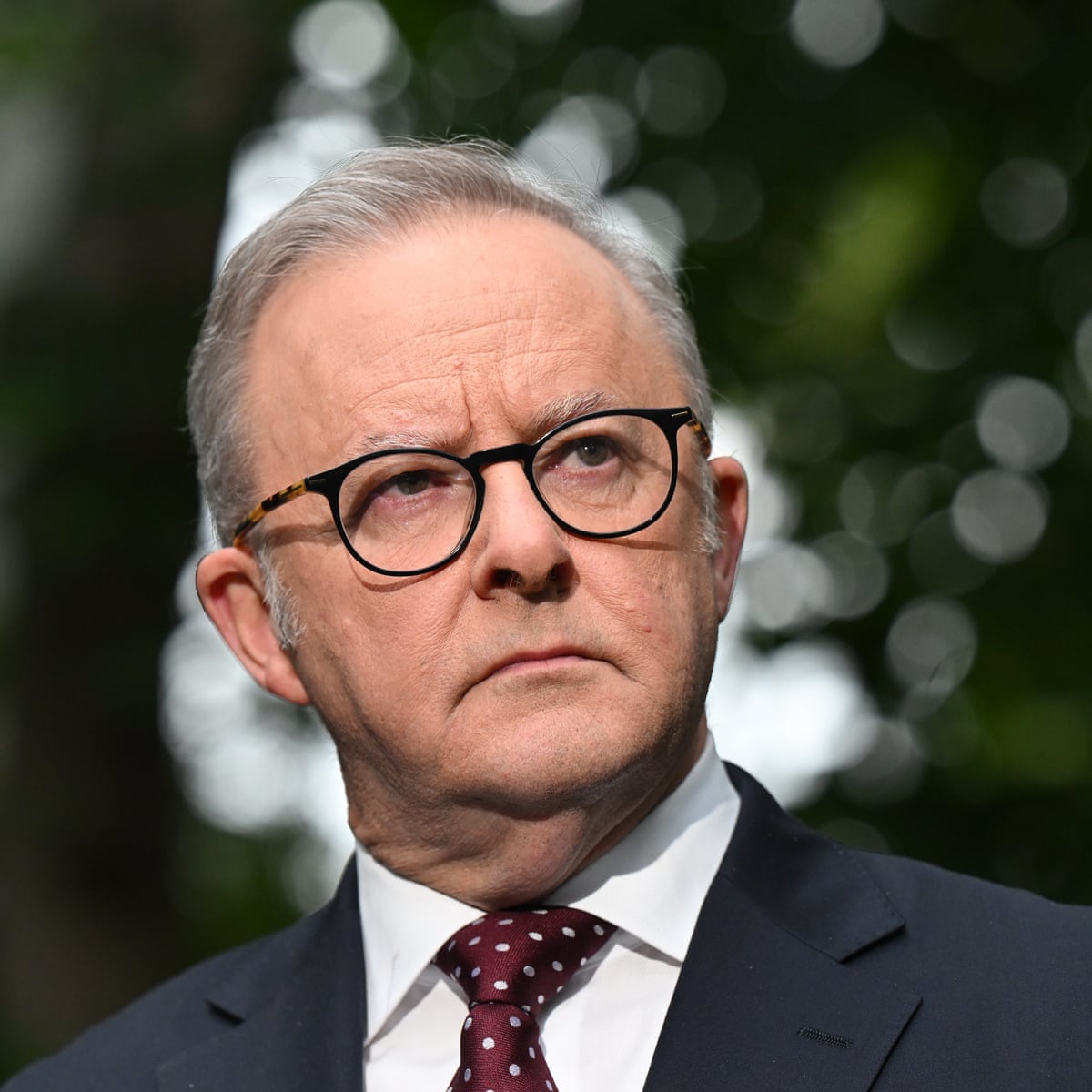
For years, political commentators have discussed the possibility of a major realignment in Australian politics.
Recent developments have brought those discussions back into focus.
Many voters appear increasingly frustrated with the political status quo and are questioning whether traditional parties are adequately responding to their concerns.
Cost-of-living pressures remain one of the most significant factors driving that dissatisfaction.
Across suburban and regional Australia, households continue facing challenges associated with mortgage repayments, rental costs, utility bills and everyday expenses.
Even as inflation eases from earlier highs, many families still feel financially stretched.
That reality is shaping political attitudes.
Voters often judge governments not only by economic statistics but by their own lived experience.
If households feel financially worse off, frustration can build regardless of broader economic indicators.
Housing affordability remains another major concern.
Many younger Australians believe home ownership is becoming increasingly difficult to achieve.
At the same time, renters continue facing tight markets and rising costs in many parts of the country.
Those pressures have elevated housing policy into one of the most influential political issues in Australia.
The recent by-election result in Farrer intensified discussion about voter dissatisfaction.
The electorate had long been regarded as a safe seat for the Coalition.
Its dramatic shift attracted national attention and prompted renewed examination of changing voter behaviour.
Political strategists from all sides are now attempting to determine whether the result represents an isolated event or part of a larger trend.
For One Nation supporters, the outcome demonstrated growing appetite for alternatives to the major parties.
For Labor and the Coalition, it served as a reminder that long-held political loyalties cannot be assumed indefinitely.
The rise of alternative parties is not unique to Australia.
Many democratic nations have experienced increasing fragmentation of traditional voting patterns over the past decade.
Economic uncertainty, social change and declining trust in institutions have contributed to that shift.
Australia appears to be experiencing similar dynamics.
Political analysts have observed that voters are becoming more issue-focused and less attached to long-standing party identities.
Many Australians are willing to reconsider their political preferences if they believe alternative parties better reflect their concerns.
That environment creates opportunities for smaller political movements to gain traction.
One Nation has attempted to position itself as a voice for Australians frustrated with rising costs, housing pressures and what supporters describe as a disconnect between political leaders and everyday voters.
The party has also focused heavily on issues such as migration, energy policy and government spending.
Those themes continue generating strong public interest.
Critics argue that many complex economic challenges require more nuanced solutions than those offered by populist movements.
Supporters counter that traditional parties have had years to address these issues and have failed to deliver satisfactory outcomes.
The disagreement reflects broader tensions within Australian society.
Questions about economic security, opportunity and trust in institutions are increasingly shaping political conversations.
The federal budget has added further momentum to those discussions.
Recent debates surrounding taxation, housing policy and investment incentives have generated strong reactions from both supporters and opponents of the government.
Many voters view these issues through the lens of their own financial circumstances.
Concerns about wealth creation, retirement planning and housing affordability continue influencing political attitudes across a wide range of demographics.
The growing influence of social media has also changed how political messages spread.
Political narratives that once remained confined to newspapers and television can now reach millions of people within hours.
Viral content often amplifies existing frustrations and accelerates political discussions.
That dynamic has contributed to heightened interest in alternative political voices.
Whether the current trend ultimately produces lasting electoral change remains uncertain.
Australia’s preferential voting system creates unique challenges for smaller parties seeking to convert support into parliamentary representation.
Even so, shifts in voter sentiment can significantly influence election outcomes.
Minor parties do not necessarily need to form government to reshape the political landscape.
Changes in primary vote support can alter campaign strategies, influence policy priorities and affect outcomes in closely contested seats.
That is why both Labor and the Coalition are paying close attention to evolving voter attitudes.
The next federal election may provide a clearer picture of whether Australia is experiencing a temporary protest movement or a deeper political transformation.
For now, one thing is becoming increasingly difficult to ignore.
A growing number of Australians are reassessing their relationship with the traditional political establishment, and that shift is already changing the national conversation.
How far it ultimately goes may become one of the defining political stories of the years ahead.






