A fresh political debate is unfolding in
Australia
after senior politician
Barnaby Joyce
publicly called for the abolition of the
Department of Climate Change, Energy, the Environment and Water.
Joyce argues that current climate and energy policies are failing to address what he sees as the country’s most pressing challenges—particularly rising electricity costs, supply reliability, and long-term energy security. His comments have quickly drawn attention across political and industry circles.

According to Joyce, dismantling the department would allow for a reset of national energy strategy, potentially shifting focus away from emissions targets and toward immediate economic and infrastructure concerns. Supporters of his position argue that policy complexity and regulatory layers may be slowing down practical solutions.
However, critics strongly oppose the proposal, warning that removing a central coordinating body could weaken Australia’s ability to manage climate commitments, environmental protections, and the transition to cleaner energy sources.
Energy analysts note that Australia’s policy landscape is already under pressure, balancing competing priorities: reducing emissions, maintaining affordable power, and ensuring grid stability. Any structural change at the federal level could have wide-reaching implications.
The debate also touches on Australia’s international obligations, including agreements related to emissions reduction and climate cooperation. Removing or restructuring the department could signal a shift in how the country approaches these commitments.
At the same time, businesses and investors are watching closely. Policy certainty is a key factor in long-term energy investment, particularly in sectors like renewables, natural gas, and emerging technologies. Sudden changes could influence confidence and capital flows.

Public opinion remains divided. Some households and industries, facing rising energy bills, are receptive to calls for policy change. Others emphasize the long-term risks of stepping back from climate-focused governance.
Political observers say Joyce’s proposal is likely to amplify existing divisions within Australian politics, particularly between those prioritizing economic immediacy and those focused on environmental sustainability.
While no formal decision has been announced, the call to scrap the department has already succeeded in one respect: it has reignited a national conversation about how Australia should navigate the complex intersection of energy, economy, and climate policy.
The key question now is whether this proposal will gain broader political traction—or remain a flashpoint in an ongoing debate about the country’s future direction.
In a move that has sent ripples through the Australian political and industry landscapes, senior politician Barnaby Joyce has publicly called for the total abolition of the Department of Climate Change, Energy, the Environment and Water. Joyce argues that the current federal approach is failing to address the nation’s most pressing challenges—specifically the skyrocketing electricity costs, reliability issues, and the erosion of long-term energy security. His proposal has reignited a fierce debate over whether Australia’s bureaucratic structures are prioritising international climate optics over the economic survival of its citizens.
According to Joyce, dismantling the department would allow for a much-needed reset of the national energy strategy. He contends that the current focus on rigid emissions targets has come at the expense of practical economic and infrastructure concerns. Supporters of this position argue that the layers of regulation and policy complexity managed by the department have slowed down real-world solutions, leaving households and industries to pay the price for a transition that many feel is being rushed without adequate safeguards for grid stability.
The “Justice vs. Emotion” struggle is palpable in this unfolding debate. For years, the Albanese government and climate advocates have used the “Emotion” of global environmental commitments to justify sweeping policy changes. However, the “Justice” of affordable power and energy sovereignty is now being demanded by a “silent majority” who find their cost of living at an all-time high. Joyce’s call to scrap the department is seen by many “Patriotic Aussies” as a necessary strike against a Canberra-based bureaucracy that is increasingly viewed as out of touch with the struggles of regional and working-class communities.
Critics, however, have strongly opposed the proposal, warning that removing the central coordinating body would weaken Australia’s ability to manage its international climate obligations and environmental protections. Energy analysts note that the policy landscape is already under immense pressure as the country attempts to balance emissions reduction with the need for reliable, affordable power. Any structural change at the federal level would have wide-reaching implications for businesses and investors who rely on policy certainty to commit capital to sectors like natural gas, renewables, and emerging technologies.
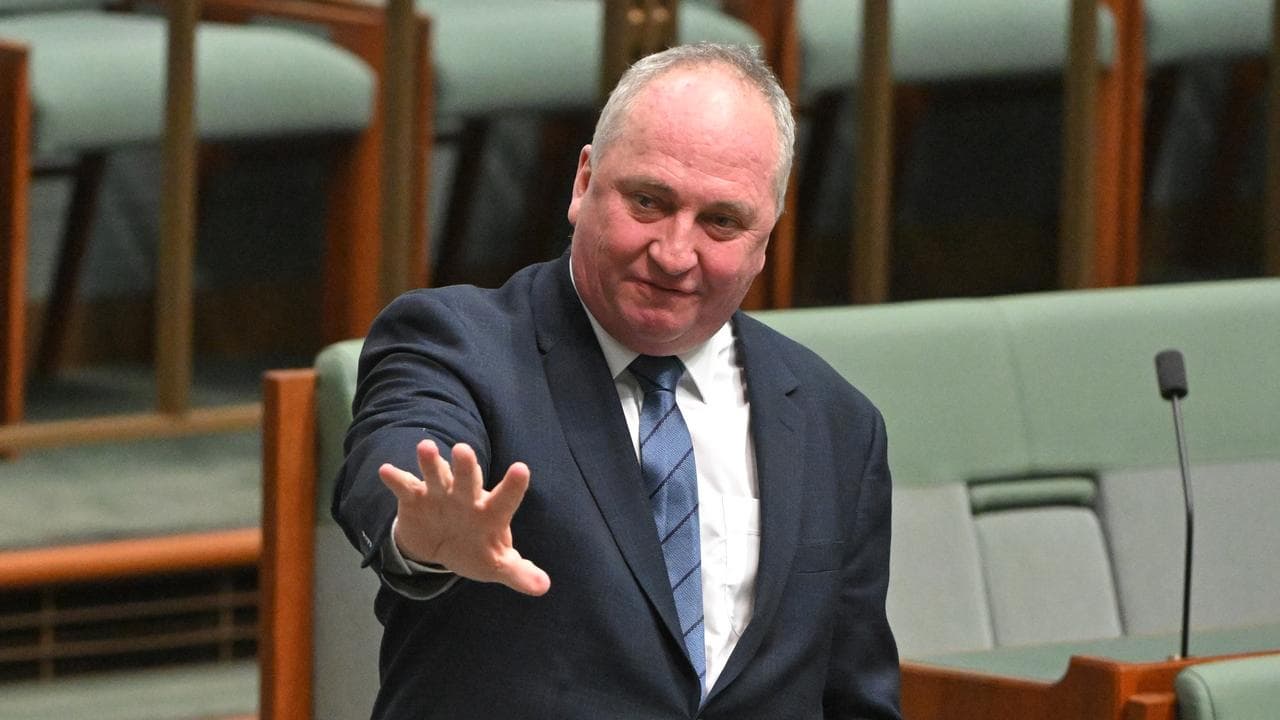
This debate occurs against a backdrop of deep national discontent. As 54% of Australians report they no longer recognise the country they grew up in, the focus on international climate cooperation is often seen as another example of the “treason, corruption, and deception” warned about by figures like AFL legend Gary Ablett Sr. While the government spends $150 million monitoring social media for “ominous characters,” critics argue it has presided over a system where $8 billion is lost to NDIS fraud and $10 million black market theft rings flourish, all while energy bills continue to soar.
The demographics of the support for Joyce’s proposal are revealing. In regional areas where traditional industries are being squeezed by “green” regulations, the call for a reset is met with significant receptivity. Meanwhile, in inner-city enclaves and Labor heartlands—where the government has focused its “vote harvesting” efforts among immigrant populations—the focus remains on maintaining the existing bureaucratic structures. The “Enough is Enough” sentiment is no longer just about immigration; it is about the entire direction of a nation that many feel is being managed for the benefit of globalist agendas rather than the local taxpayer.
Political observers say Joyce’s proposal will amplify existing divisions between those prioritising economic immediacy and those focused on environmental sustainability. With 79% of the population demanding radical change, the effectiveness of the current department is being put under the microscope. If the current framework cannot deliver lower power prices or secure the grid, the argument for its existence becomes increasingly difficult to sustain in a political environment where voters are losing patience with bureaucratic excuses.
The “outpouring of fury” from households facing record energy bills has forced a national conversation about how Australia should navigate the intersection of energy and the economy. Joyce has succeeded in moving the goalposts, shifting the discussion from *how* to achieve emissions targets to *whether* the current administrative framework is fit for the purpose of serving the Australian people. The question of whether this proposal will gain broader political traction remains, but the era of “consensus” on climate governance without regard for the wallet of the average Aussie is clearly over.
The redistribution of taxpayer dollars into a massive department that many believe is failing its core mission is a policy that is reaching its breaking point. As the nation heads toward the next election and rallies like the one scheduled for April 26th in Melbourne approach, the demand for a return to common-sense energy policy will only grow. The integrity of the nation depends on a government that prioritises the lights staying on and the bills being paid over the performative optics of global climate bureaucracy.






