“They Look After Their Own Community”: The Rape Gang Testimonies That Forced Parliament to Confront the Unthinkable
The first thing that struck the chamber was not the words.
It was the silence that followed them.
A silence so heavy it felt like the room itself was holding its breath.
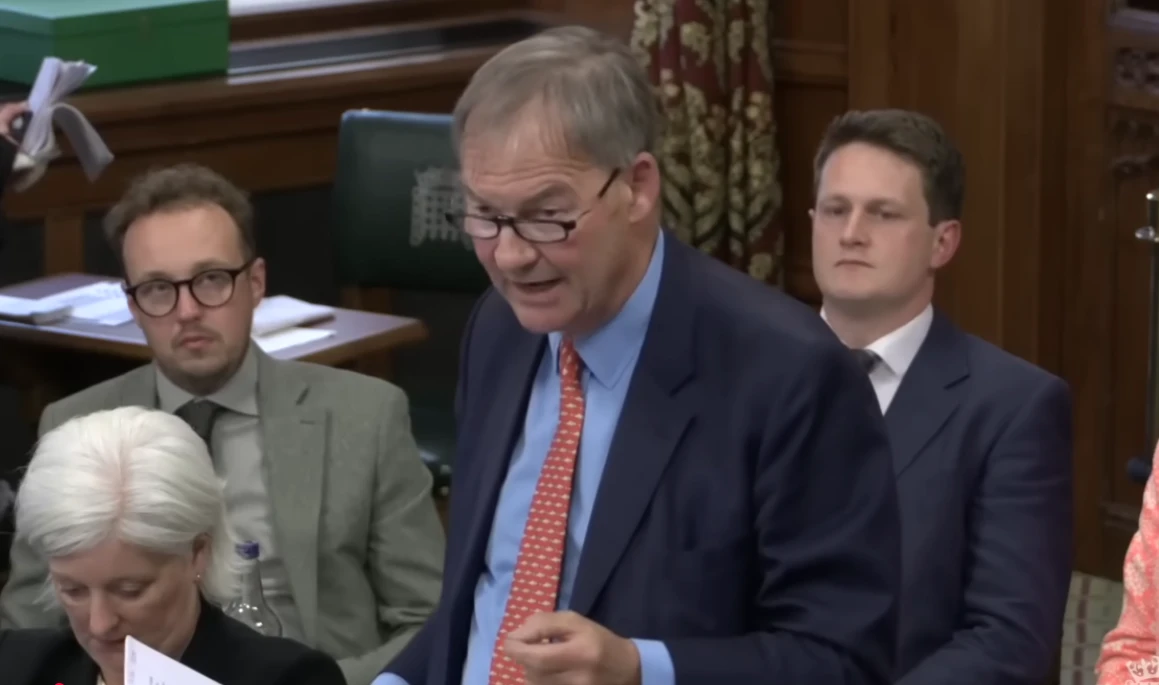
Rupert Lowe stood in the House of Commons and thanked the 260,974 British men and women who signed the petition to force this debate. He welcomed the brave survivors sitting behind him in the hall.
“This debate is about them,” he said. “As you quite rightly say, it’s not about politics.”
Then he began to read.
The Testimony
He did not sensationalise. He did not editorialise. He simply read what the survivors had told the independent rape gang inquiry over two weeks of hearings.
One girl, around 12 or 13, described being raped and then having a broken Jack Daniels bottle forced inside her.
Another spoke of being held down by multiple men who took turns raping her, then being beaten and threatened with death if she ever told anyone.
Another described how comments were constantly made that white girls — “the Christian girls” — had fewer morals and lower value, while Muslim girls were said to have dignity and higher moral standing. These comparisons, she said, were used to justify the way she was treated and to further humiliate and control her.
One survivor said she was raped by multiple police officers in different parts of the country.
Another described being taken from a children’s home, where staff would bring girls to the door when men tooted their car horns.
Another spoke of being raped by what she estimated to be 600 or 700 different men over three years, starting at 13.
Another described being raped by a dog while men filmed and laughed and placed bets.
Another, bleeding from both vagina and back passage at 15 years old, went to hospital and told staff her drink had been spiked because she was too afraid to tell the truth. They asked no questions. They gave her tablets and sent her home.
The testimonies went on. And on.
The Pattern That Could No Longer Be Denied
What emerged was not a series of isolated crimes.
It was a pattern.
Survivors described being targeted because they were white. They described religious and racial justifications used by their abusers. They described how, in some cases, the fathers of the perpetrators — including one described as an imam — knew what was happening and protected their sons rather than the victims.
They described abuse escalating around Eid and religious holidays, when parties became bigger, more violent, and involved more girls.
They described the total failure of the institutions meant to protect them: police officers who raped them, children’s home staff who handed them over, hospitals that asked no questions, social services that looked the other way.
One survivor summed it up simply: “They look after their own community.”
The Responsibility
Lowe did not call for division. He called for action.
“All of us in this building have a responsibility to finally act,” he told the House. “Not to talk, but to act.”
He urged Parliament to listen to the testimonies and to finally do something. The independent rape gang inquiry report, he said, would be released in the coming days.
“It will change Britain for good.”
The Reckoning That Is Coming
For years, the grooming gang scandals were treated as a local problem in a handful of towns. Then as a series of historical failures. Then as something too sensitive to discuss openly.
The testimonies read in Parliament yesterday made that position impossible to maintain.
These were not abstract debates about “community relations” or “cultural sensitivities.”
These were children — some as young as 12 — being raped, tortured, and passed around by organised groups of men who viewed them as worthless because of their race and religion.
And when they tried to get help, the system that was supposed to protect them often failed them completely.
The survivors who sat in that hall have already waited too long.
They were failed too badly.
And they are still waiting for the country to do what it should have done years ago: listen without fear, speak without apology, and act without hesitation.
Parliament has now heard them.
The question is no longer whether these things happened.
The question is whether this time, finally, something will be done.






