CHAOS ERUPTS AT CAPITOL PALACE: TRUMP LOSES CONTROL AFTER PROSECUTOR’S TESTIMONY SPARKS IMPEACHMENT FEAR-Tensions escalate, allies scramble to find a way to maneuver, and a tense confrontation ensues as a legal storm erupts across Washington
Jack Smith’s Testimony Could Reshape Trump’s Impeachment Prospects
Washington is facing a new wave of political shock after Special Counsel Jack Smith reportedly delivered sworn testimony to Congress that sources describe as the most damaging legal assessment ever presented against a sitting U.S. president.
According to those reports, Smith testified that his investigation developed proof beyond a reasonable doubt that Donald Trump committed federal crimes — the exact legal standard required for criminal conviction. This is not speculation, partisan accusation, or political rhetoric. It is allegedly a prosecutorial conclusion reached after years of investigation, grand jury proceedings, witness testimony, and documentary evidence.
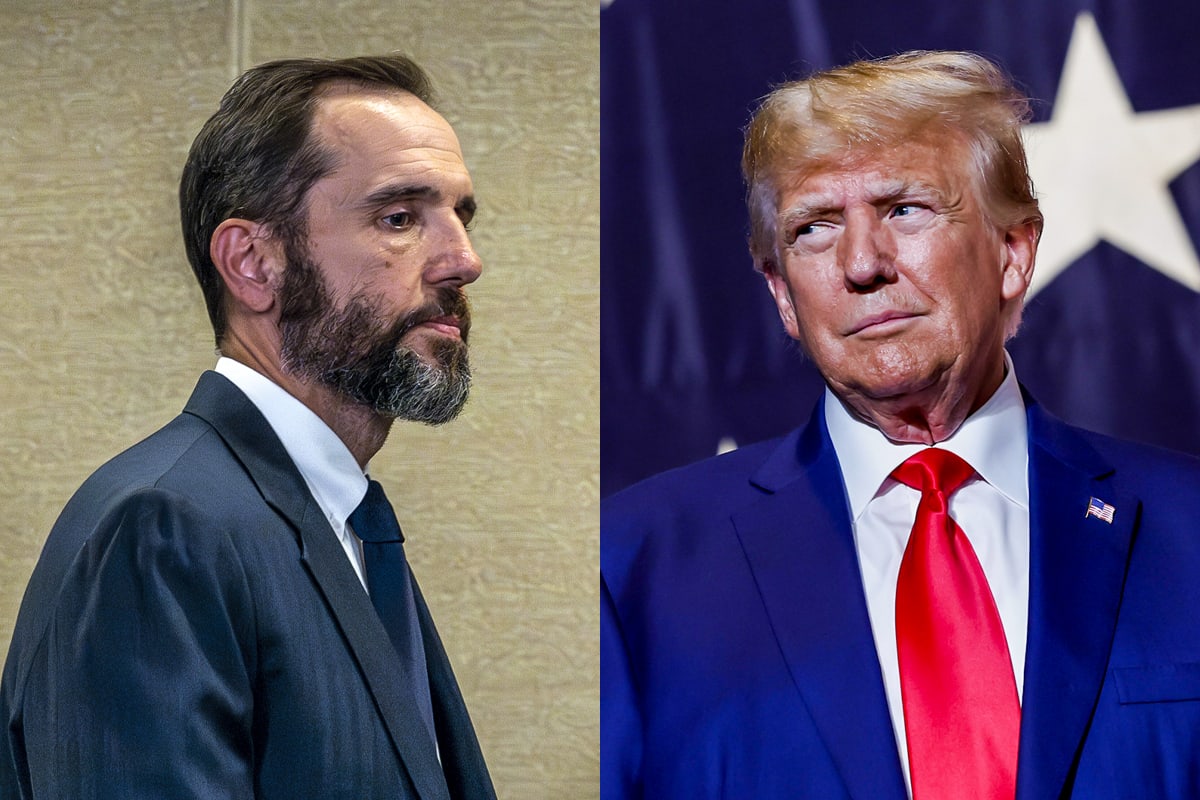
A Prosecutor’s Standard, Not a Political Judgment
Sources say Smith told Congress that he would prosecute Trump again today based on the same facts, regardless of political affiliation. That distinction matters. Prosecutors do not operate on opinion or ideology; they act on evidence and legal thresholds.
If accurate, Smith’s testimony eliminates Trump’s long-standing defense that investigations into his conduct were politically motivated. A career federal prosecutor asserting that criminal standards were met under oath reframes the entire accountability debate.
January 6 and Criminal Responsibility
Reports indicate Smith testified that Trump caused January 6, not merely that his rhetoric contributed to unrest. According to sources, Smith further stated that Trump knew his election fraud claims were false, ignored advisers who told him the election was legitimate, and sought to exploit violence to remain in power.
If proven, these findings undermine Trump’s claim of good-faith belief and elevate the conduct from protected political speech to knowing fraud and abuse of power.
An Impeachment Resolution Already Exists
What makes this moment unprecedented is that an impeachment resolution is already filed in Congress. House Resolution 353, introduced in May 2025, reportedly addresses the same conduct Smith documented in his testimony, including January 6 and abuse of presidential authority.
This means Democrats would not need to draft new articles of impeachment if they regain control of the House. The legal framework is already in place — now potentially reinforced by sworn prosecutorial findings.

Why This Is Different From Past Impeachments
Previous impeachments relied on congressional judgment. This situation could be different. For the first time, lawmakers may point to a federal prosecutor stating under oath that criminal standards were met.
That distinction could significantly alter public perception, making impeachment appear less partisan and more rooted in established legal conclusions.
Trump’s Response Raises New Legal Questions
Trump’s reported reaction to Smith’s testimony may further complicate his position. According to sources, Trump publicly attacked Smith, called for investigations into him, and ordered his attorney general to pursue retaliation.
Legal experts suggest such actions could constitute witness intimidation or obstruction of justice, potentially creating additional grounds for impeachment beyond the original conduct.
The 2026 Midterms Could Decide Everything
Impeachment remains politically impossible under the current House majority. However, historical precedent and polling trends suggest Democrats could realistically regain control in the 2026 midterm elections.
If that happens, impeachment proceedings could begin rapidly, backed by existing resolutions and prosecutorial testimony. Even without Senate conviction, months of hearings and public evidence presentation could severely weaken Trump’s presidency.
What Comes Next
If Democrats flip the House, Trump could face a third impeachment — an unprecedented event in U.S. history. Unlike previous efforts, this one would be anchored in sworn testimony asserting criminal culpability beyond reasonable doubt.
Whether or not removal ultimately occurs, the implications for presidential accountability, electoral politics, and constitutional governance are profound.
The constitutional clock is ticking, and the outcome may hinge less on courts than on voters in the next election cycle.