In a development that is quickly drawing international attention, Canada has opened its first-ever consulate in Greenland—an Arctic move that signals far more than routine diplomacy. The decision is being interpreted as a calculated strategic shift at a time when global powers are increasingly focused on the Arctic.

The island at the center of this story is Greenland, the world’s largest island, home to just over 58,000 people and vast untapped resources. Long viewed as remote, it has suddenly become a focal point in geopolitical competition.
Canada’s move came as Donald Trump once again revived controversial remarks about acquiring Greenland. His comments, framed around national security, reignited debate over sovereignty and influence in the Arctic.
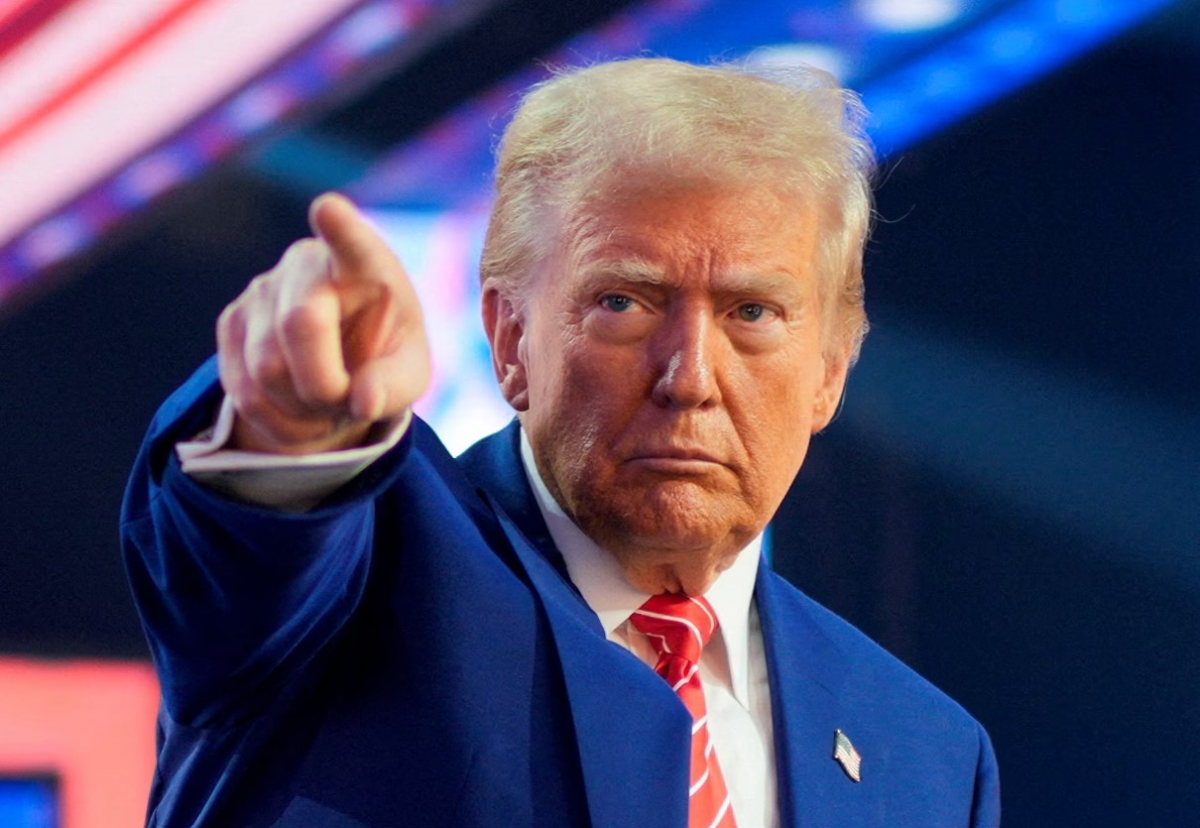
But while Washington’s rhetoric raised eyebrows, Ottawa took a different path. Under the leadership of Mark Carney, Canada pursued quiet diplomacy—opening a physical presence rather than issuing bold declarations.
The consulate, located in Nuuk, Greenland’s capital, was formally launched by Anita Anand. The visit was not symbolic—it marked a deliberate expansion of Canada’s Arctic footprint.
For many in Greenland, the reaction was immediate. Local political voices described the move with a single word: “finally.” That response reflects years of waiting for stronger direct engagement with North American partners.
At the heart of this shift are deep cultural ties. Inuit communities across Canada, Alaska, and Greenland share linguistic roots, traditions, and family connections that stretch back generations—long before modern borders separated them.

Until now, however, those connections existed mostly at a social level. The establishment of a consulate transforms that relationship into a formal governmental link, creating new channels for cooperation.
Economically, the implications are significant. Greenland has historically relied on Denmark for trade routing, creating delays and added costs. A direct Canadian connection could streamline logistics and reduce dependency on European pathways.
Trade experts also point to broader opportunities. Agreements like CUSMA have long shaped North American commerce, and Greenland has remained outside that orbit. Canada’s presence could begin to change that dynamic.
Energy and resources are another major factor. Canada is one of the world’s leading producers of low-carbon aluminum, powered largely by hydroelectric energy. This positions it uniquely as global markets shift toward cleaner supply chains.
With the European Union preparing carbon border tariffs, cleaner production methods will become even more valuable. Greenland, looking to develop its own industries, may see Canada as a natural partner in this transition.
Meanwhile, U.S. influence in Greenland remains significant but complicated. The United States maintains a strategic military presence on the island, yet political trust has been strained by past proposals to acquire the territory outright.
That tension has opened space for alternative partnerships. Canada’s approach—focused on cooperation rather than control—appears to resonate more positively with Greenlandic leaders and communities.
The timing is also critical. As Arctic ice melts and new shipping routes emerge, the region is becoming a key arena for global competition involving energy, trade, and security interests.
In this context, Canada’s move is not just diplomatic—it is strategic positioning for the future of the Arctic. It signals an intention to shape regional dynamics through partnership rather than pressure.
As the situation continues to evolve, one thing is clear: Greenland is no longer a distant outpost but a central player in global strategy—and with Canada stepping in at a pivotal moment, the conversation is accelerating fast and the internet is exploding.