JUST IN: TRUMP’S 50% AIRCRAFT TARIFF BACKFIRES — BOMBARDIER EMERGES AS SAFE BET WHILE U.S. AVIATION DESCENDS INTO CHAOS
Donald Trump ignited turmoil across the U.S. aviation industry after threatening a 50% tariff and potential decertification of all Canadian-made aircraft sold in the United States. The move, announced abruptly on social media, was meant to pressure Canada into fast-tracking safety approval for Gulfstream’s newest business jets. Instead, it sent shockwaves through airlines, private jet owners, aerospace suppliers, and regulators—triggering fears of grounded aircraft, frozen assets, and a collapse in trust in U.S. aviation certification.
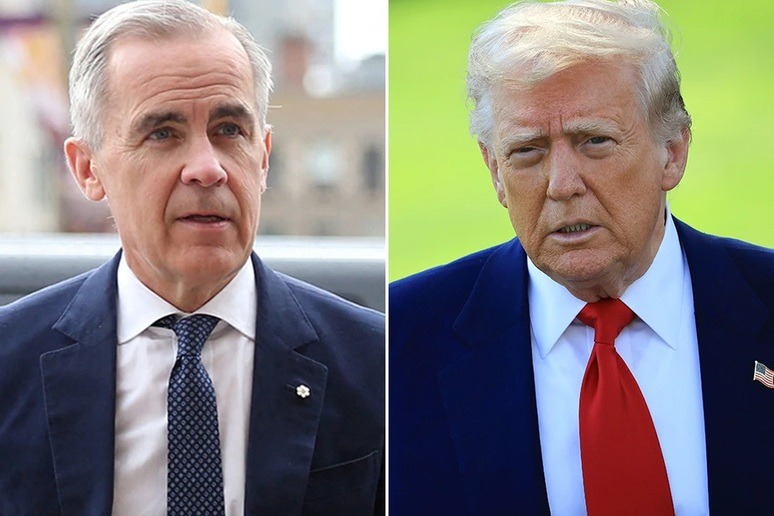
At the heart of the dispute is aviation safety. Canada’s regulator refused to rush certification for Gulfstream models that have not completed required fuel-icing system tests, a critical safeguard designed to prevent engine failure at altitude. While the U.S. Federal Aviation Administration granted a temporary exemption, Transport Canada held firm. Trump’s response—threatening tariffs and mass decertification—signaled to the world that safety standards could be weaponized for political leverage.
The fallout was immediate. Bombardier stock plunged, aviation lawyers fielded frantic calls, and private jet owners worried their multimillion-dollar aircraft could become unflyable overnight. More than 5,400 Canadian-built aircraft currently operate in the United States, including regional jets flown by American Airlines and Delta. Grounding them would cancel thousands of flights, cut off smaller cities, and disrupt airline schedules nationwide.
Ironically, Trump’s threat handed Bombardier a powerful competitive advantage. The company’s flagship Global 8000 jet is fully certified in the United States, Canada, and Europe—without exemptions. It is now the fastest civilian aircraft in the world and meets every regulatory requirement. Gulfstream, by contrast, appears dependent on political pressure to overcome unresolved safety testing. For wealthy buyers spending tens of millions of dollars, that contrast matters.
The economic damage would hit American workers hardest. Bombardier relies on 2,800 U.S. suppliers across 47 states, with thousands of jobs tied directly to its production chain. More than half the value of Bombardier aircraft comes from American-made components. Any disruption to Bombardier’s U.S. sales would ripple through factories in Kansas, Texas, Arizona, and beyond—undercutting the very industry Trump claims to protect.
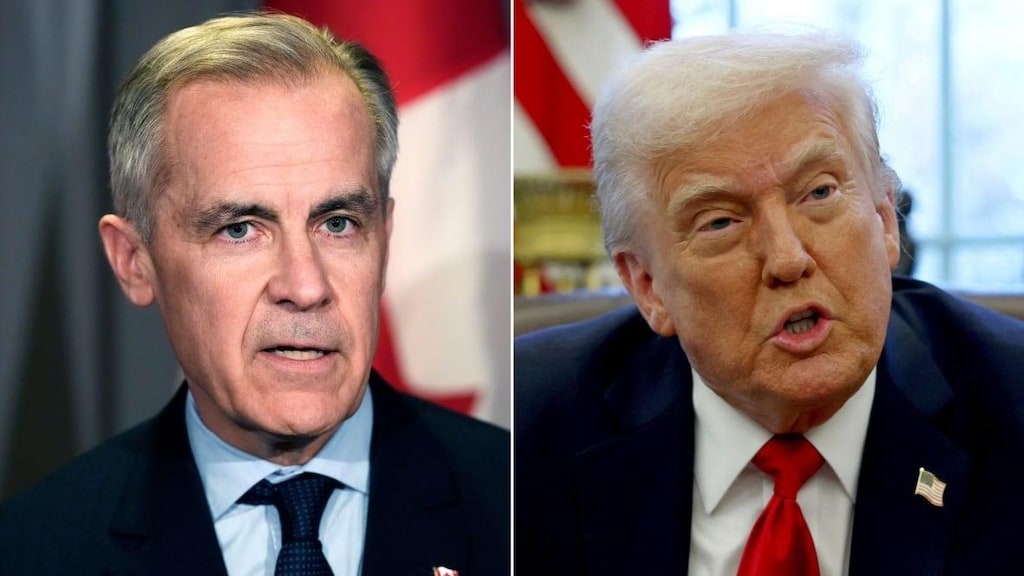
Beyond economics, the threat strikes at the foundation of global aviation. International air travel depends on mutual recognition of safety certifications between regulators. If the United States decertifies aircraft for political reasons, other countries could retaliate in kind. Experts warn this could open the door for Europe, China, or Brazil to reject American aircraft certifications during future disputes, placing Boeing, Gulfstream, and the entire U.S. aerospace export sector at risk.
Canada’s strategy is simple: hold the line on safety and wait. Transport Canada cannot compromise without undermining its legal authority and exposing itself to liability if an accident occurs. That leaves Trump boxed into a corner—either follow through and devastate U.S. aviation, or back down and reveal the threat as empty. Neither outcome strengthens American leverage.
In the end, Trump’s aircraft tariff threat looks less like hardball negotiation and more like self-sabotage. By politicizing safety certification, he destabilized markets, alarmed allies, and unintentionally positioned Bombardier as the gold standard for safety and reliability. What was meant to punish Canada instead shook confidence in U.S. aviation leadership—and handed competitors a gift they didn’t even have to ask for.