China FM’s GRAND Visit to Canada is the NEW MISERY for Trump
OTTAWA — For the first time in more than a decade, China’s Foreign Minister Wang Yi arrived in Canada on Thursday for a three-day official visit, signaling a significant thaw in relations between Ottawa and Beijing.
The trip, which follows Prime Minister Mark Carney’s recent visit to China, marks a deliberate effort by both nations to reset ties strained for years by diplomatic disputes and trade tensions.

Diplomatic Reset
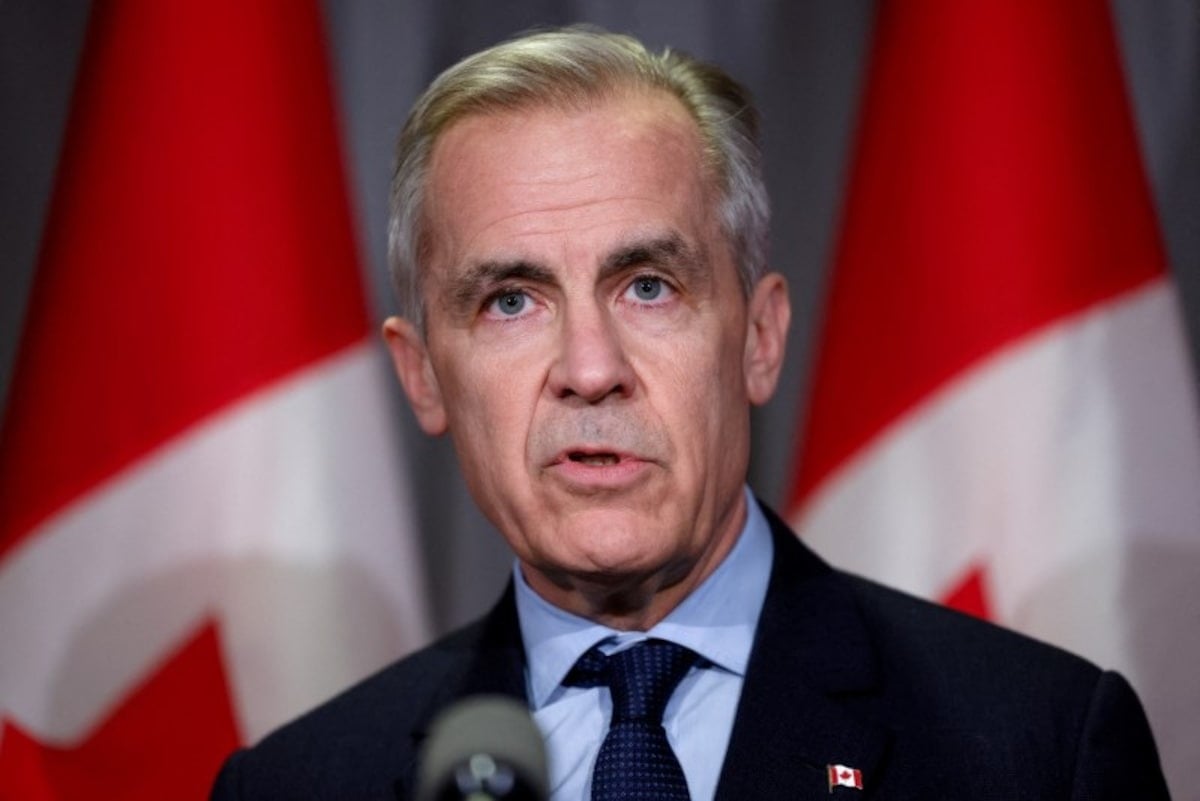
Mr. Carney, speaking earlier this week in New York, described his own trip to China as achieving “a very basic reset of the relationship.” He emphasized the need for dialogue with Beijing, calling it “stating the obvious” that China plays a central role in nearly every major global issue.
The visit by Mr. Wang comes at a moment when Canada is actively seeking to diversify its international partnerships amid ongoing friction with the United States.
Timing and Symbolism
The high-level engagement is notable given the near-total freeze in senior diplomatic exchanges between the two countries since the early 2010s. Analysts describe the visit as more than routine diplomacy — it represents a strategic opening at a time when traditional North American economic integration faces new pressures.
Canadian officials have framed the engagement as pragmatic, focused on trade, investment and addressing global challenges where cooperation with China is unavoidable.
Carney’s Strategy
Mr. Carney has made economic diversification a cornerstone of his foreign policy. With roughly three-quarters of Canadian exports historically flowing to the United States, his government is accelerating efforts to build stronger ties with major economies including China, India and European nations.
This approach is driven in part by persistent trade disputes and tariff threats from Washington, which have forced Ottawa to seek alternative markets.
Geopolitical Messaging
The timing of Mr. Wang’s visit carries clear implications beyond bilateral relations. Some analysts see it as Beijing’s way of demonstrating that it can deepen partnerships with traditional U.S. allies even as Washington applies pressure on Canada.
For Canada, the engagement underscores its determination to maintain an independent foreign policy rather than aligning fully with any single power.
Challenges in Relations
Relations between Canada and China have been rocky for years. Previous disputes over Huawei, the detention of Canadians in China, and human rights concerns created deep mistrust.
The current reset does not erase those tensions but reflects a mutual recognition that complete disengagement serves neither side’s interests.
Trade and Economic Focus
Both governments are expected to discuss expanding trade, investment in critical minerals, and cooperation on global issues such as climate change and supply chain stability.
Canada hopes to increase exports to China significantly in coming years, viewing Beijing as a key market for resources, agricultural products and clean technology.
U.S. Reaction
The visit is likely to be watched closely in Washington. The Trump administration has frequently expressed concern about closer Canada-China economic ties, viewing them as undermining efforts to decouple from Beijing.
Canadian officials maintain that engagement with China is pragmatic and does not diminish the importance of the U.S. relationship.
Domestic Political Debate
In Canada, the outreach to China has drawn mixed reactions. Supporters argue it is necessary economic realism. Critics worry it could compromise national security or human rights principles.
Mr. Carney has defended the policy as balanced, emphasizing dialogue while maintaining clear guardrails on sensitive issues.
Broader Global Context
The visit fits into a larger pattern of middle powers seeking greater strategic autonomy. As U.S.-China competition intensifies, countries like Canada are attempting to navigate between the two powers without fully aligning with either.
Strategic Patience
Mr. Carney’s government appears to be pursuing a long-term strategy of diversification. By rebuilding ties with China while strengthening European partnerships and investing domestically, Ottawa aims to reduce vulnerability to shifts in American policy.
Future Implications
The success of this diplomatic opening will depend on concrete outcomes in trade, investment and dispute resolution. Both sides have signaled willingness to address difficult issues while expanding areas of cooperation.
A New Chapter
China’s foreign minister arriving in Ottawa after years of strained relations represents more than a diplomatic courtesy. It signals that Canada’s international options are expanding at a time when traditional assumptions about North American economic alignment are being tested.
Whether this leads to deeper partnership or remains limited engagement will shape Canada’s global position for years to come.
Conclusion
As Mr. Wang’s visit unfolds, it underscores a fundamental shift: Canada is no longer content to rely overwhelmingly on one market or one relationship. In an era of great-power competition, Ottawa is choosing strategic flexibility over singular dependence.
The move may complicate relations with Washington in the short term, but Canadian officials believe it strengthens the country’s long-term resilience and bargaining power on the world stage.






