As the United States prepares to host some of the world’s largest sporting events—the 2026 FIFA World Cup and the 2028 Summer Olympics—an unexpected tension is emerging at the intersection of global sports, domestic politics, and immigration enforcement. At the center of it stands President Donald Trump, whose increasingly visible efforts to associate himself with major sporting moments appear to be meeting growing resistance, both at home and abroad.
For years, Trump has sought proximity to marquee events, framing them as symbols of national strength under his leadership. But Olympic officials and international partners are signaling discomfort with the politicization of global sports, particularly as concerns mount over civil liberties, public safety, and the role of federal law enforcement during these events. While no formal rupture has been announced, behind-the-scenes signals suggest that organizers are wary of allowing the Games to become a political stage.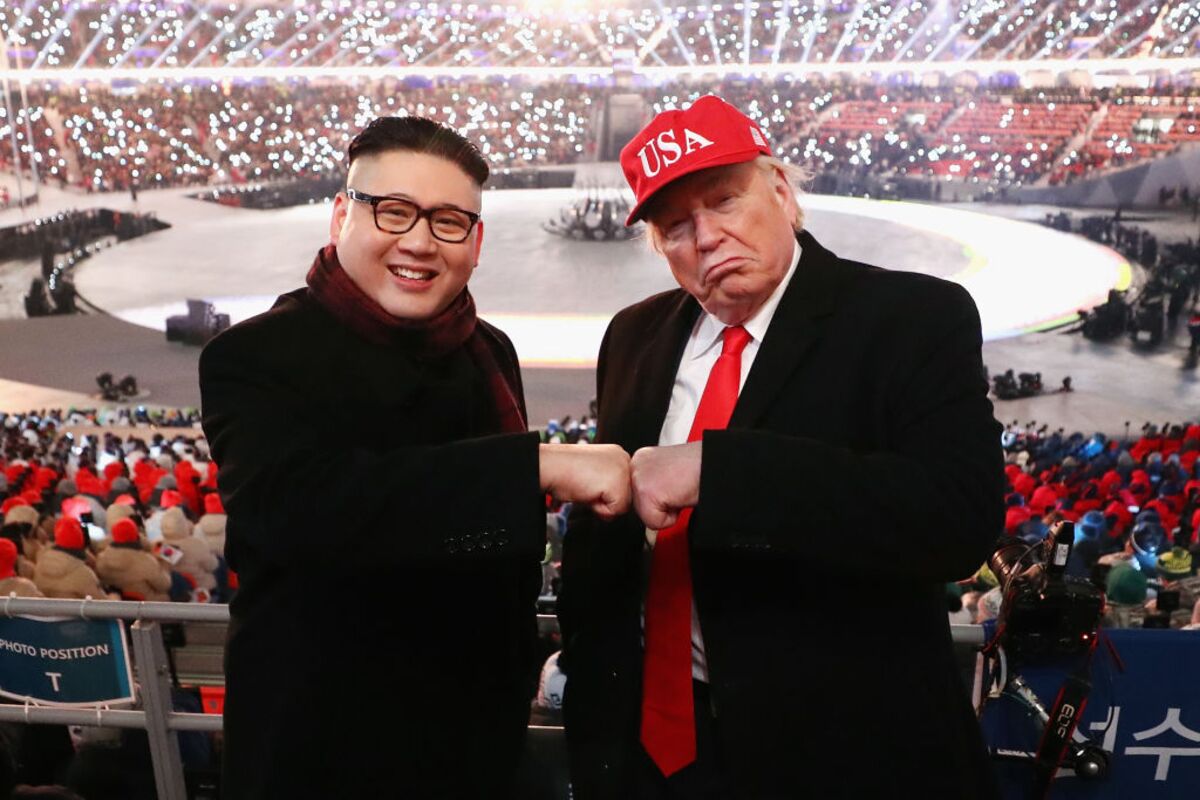
That unease is mirrored by a broader movement unfolding across the United States. In cities and towns spanning Oklahoma, Texas, New Jersey, New York, Missouri, Georgia, Utah, and Colorado, local communities are mounting sustained opposition to Immigration and Customs Enforcement detention facilities. What began as isolated protests has evolved into a coordinated resistance, with residents pressuring city councils, organizing public demonstrations, and, in some cases, passing ordinances designed to block or restrict the expansion of ICE facilities.
Notably, this pushback is not confined to traditionally liberal strongholds. In several conservative-leaning areas, residents have raised objections grounded in property rights, local governance, and public safety, arguing that large detention centers strain infrastructure and erode community trust. Activists say the impact is tangible: projects delayed, contracts withdrawn, and federal plans forced back to the drawing board.
“The narrative that resistance to ICE is fringe or partisan just isn’t holding anymore,” said one immigration policy analyst. “What we’re seeing is a decentralized, community-driven response that cuts across ideological lines.”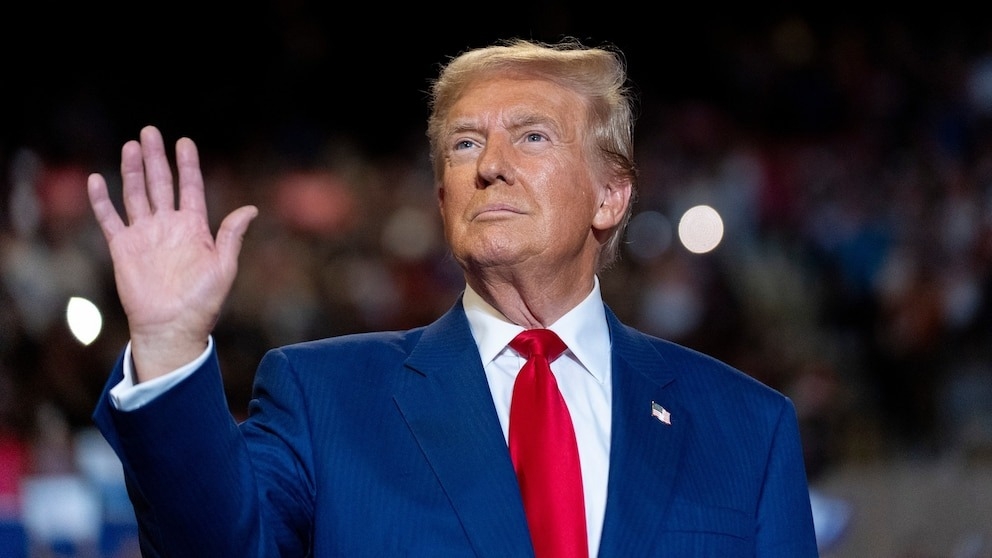
The ripple effects are now reaching international arenas. In Europe, Milan’s mayor recently stated that ICE agents would not be welcome at events tied to the Winter Olympics, a symbolic rebuke that underscores how U.S. immigration policy is increasingly scrutinized beyond its borders. While largely symbolic, such statements reflect a growing discomfort among global partners with being associated—directly or indirectly—with controversial enforcement practices.
These developments raise difficult questions as the United States moves closer to hosting the world. Major sporting events depend on perceptions of stability, openness, and neutrality. Organizers must reassure athletes, fans, and foreign governments that competitions will not be overshadowed by political spectacle or aggressive law enforcement postures.
Trump’s critics argue that his governing style—marked by public confrontation and a desire for personal visibility—risks doing just that. They point to his frequent commentary on unrelated cultural events and his tendency to frame national moments as personal victories. Supporters, by contrast, say his presence projects strength and confidence on the world stage.
What is clear is that communities are increasingly unwilling to remain passive. From local zoning battles to international statements, resistance is coalescing into a broader demand for accountability and restraint. Each blocked facility and each public rebuke chips away at the assumption that federal power is unquestionable.
As the World Cup and the 2028 Olympics draw nearer, the stakes will only rise. These events are meant to celebrate athletic excellence and international unity. Whether they can do so without becoming entangled in America’s political conflicts remains an open question—one that will test not just Trump’s approach to leadership, but the willingness of institutions, both domestic and global, to push back.