Parliamentary Exchange Intensifies Debate Over Economic Conditions and Government Accountability in Ottawa

Canada’s political landscape was once again thrust into the national spotlight following a contentious exchange in the House of Commons involving Prime Minister Mark Carney and Opposition Leader Pierre Poilievre. The debate centred on the state of the Canadian economy, employment conditions, and whether recent economic indicators meet the definition of a recession.
The exchange attracted widespread attention because it combined economic concerns with broader questions about political accountability. At a time when affordability, housing, and employment remain prominent issues for many Canadians, parliamentary discussions on economic performance have become increasingly significant.
During question period, Poilievre argued that Canada had experienced two consecutive quarters of declining GDP and stated that the country was unique among G20 nations in facing those economic conditions. He pressed the Prime Minister to clarify whether Canada was in a recession or what he described as a “technical recession.”
The Opposition Leader also cited job losses and concerns about food insecurity, arguing that economic challenges were having tangible consequences for households across the country. His intervention sought to connect national economic indicators with the experiences of individual Canadians.
In response, Carney offered a carefully measured response that emphasized broader economic trends rather than directly accepting the terminology advanced by the opposition. He pointed to business investment, wage growth, and the government’s efforts to build what he described as a stronger and more resilient economy.
The Prime Minister also referenced international economic assessments, noting that organizations such as the OECD had projected comparatively strong economic performance for Canada in the coming years. His remarks focused on long-term economic foundations amid ongoing global uncertainty.
The parliamentary exchange quickly evolved beyond a technical discussion about GDP figures and economic definitions. Instead, it became a debate about leadership, communication, and how elected officials respond to public concerns during periods of economic anxiety.
Poilievre returned to the issue by arguing that Canadians deserved a more direct answer. He maintained that recent economic data warranted greater transparency and contended that government messaging did not fully address public concerns.
The discussion took an even more personal turn when the Opposition Leader raised the case of a Toronto woman identified as Zara, whom he described as having lost her administrative job and subsequently relying on a friend’s couch for accommodation. He used the example to illustrate what he characterized as the human cost of economic hardship.
According to the transcript, Poilievre questioned whether the government’s description of economic conditions adequately reflected the experiences of Canadians facing unemployment and housing insecurity. His remarks framed the issue as one of empathy and accountability rather than economic terminology alone.


Government supporters, meanwhile, emphasized economic resilience and the challenges posed by global conditions. Carney argued that Canada was navigating a difficult international environment marked by tariffs, uncertainty, and higher energy prices.
The Prime Minister maintained that business investment was accelerating and that wage growth compared favourably with developments elsewhere. His defence reflected the government’s broader argument that current policies are designed to strengthen Canada’s long-term economic position.
The exchange highlighted widening divisions within Parliament over how economic performance should be measured and communicated. While opposition members focused on recent indicators and household pressures, the government emphasized future growth prospects and structural resilience.
Observers of federal politics often note that such disagreements are common during periods of economic uncertainty. Competing narratives frequently emerge regarding both the causes of economic challenges and the effectiveness of government responses.
A notable feature of the debate was the degree to which both sides attempted to connect economic statistics to broader political themes. For the opposition, the discussion centred on accountability and responsiveness. For the government, it centred on stability and long-term planning.
The confrontation also demonstrated how individual stories can shape parliamentary discourse. By highlighting the experience of a specific Canadian, the opposition sought to personalize broader economic concerns and bring attention to the social consequences of economic change.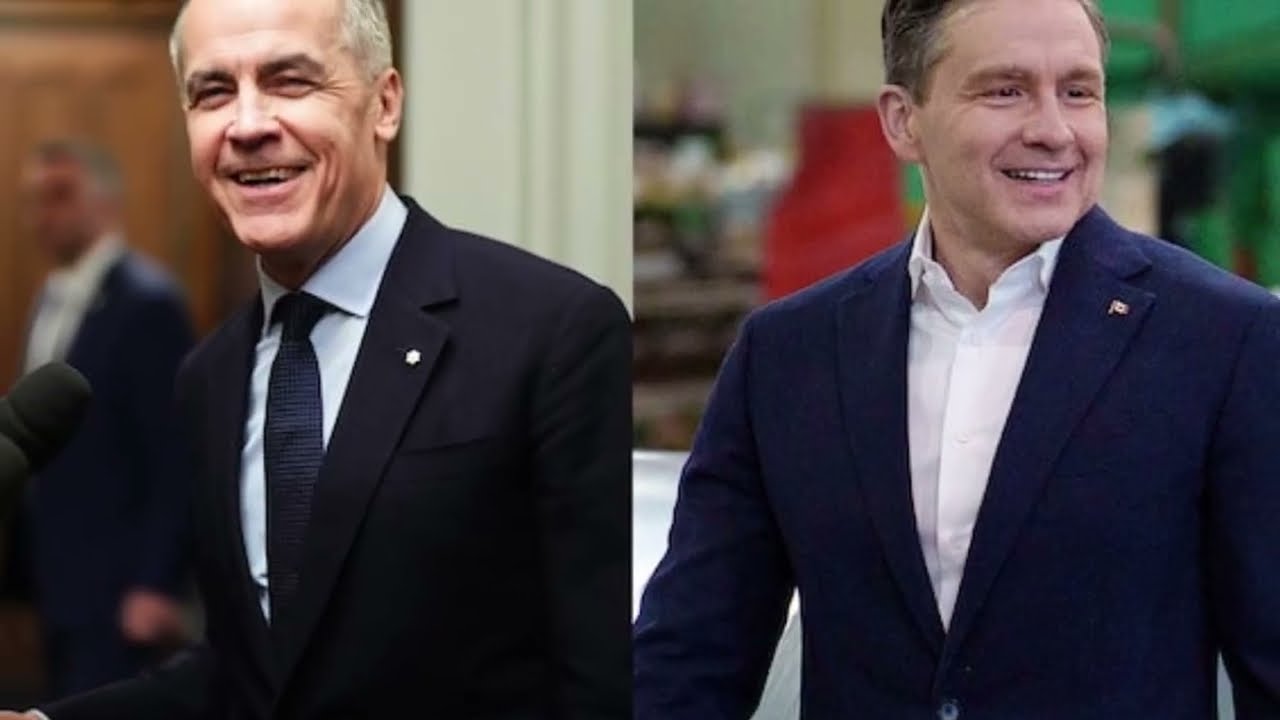
At the same time, Carney’s responses reflected an effort to place current conditions within a wider international context. His references to global pressures suggested that domestic economic outcomes cannot be viewed in isolation from international developments.
As political pressure grows, economic performance is likely to remain a central issue in Ottawa. Questions surrounding employment, affordability, housing, and growth continue to influence both parliamentary debate and public discussion across the country.
The exchange further raised broader concerns about government accountability, particularly regarding how leaders communicate during periods of uncertainty. Such debates often become defining moments in shaping public perceptions of leadership and competence.
Ultimately, the parliamentary confrontation underscored the competing visions being presented to Canadians. One side argued that current economic indicators demand greater accountability and a change in direction, while the other maintained that existing policies are laying the groundwork for future prosperity.
For now, however, the debate remains unresolved within Canada’s broader political landscape. With economic conditions continuing to dominate political discussion, both the government and opposition are likely to face ongoing scrutiny as Canadians assess competing claims about the country’s economic future.






