EV Investment Strategy Faces Renewed Scrutiny as Poilievre and Carney Clash Over Canada’s Economic Direction
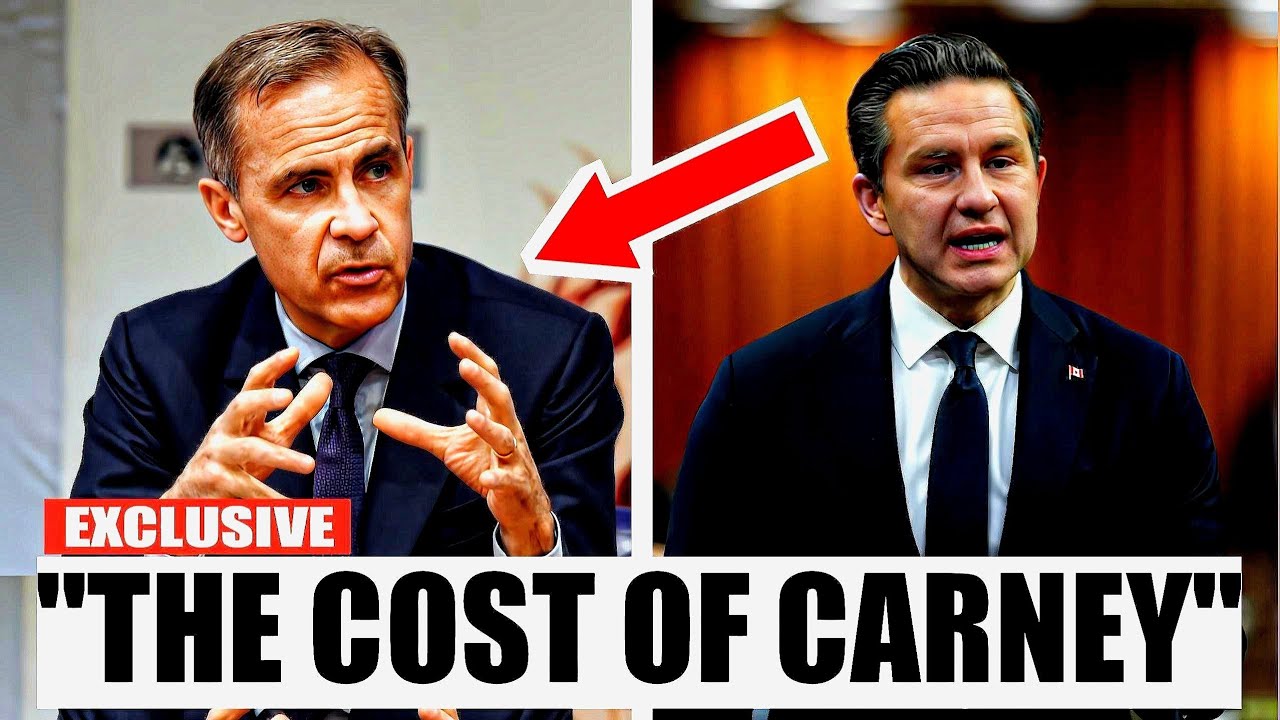
Canada’s debate over industrial policy, economic development, and the transition to a lower-emissions economy intensified this week as Prime Minister Mark Carney defended the federal government’s climate and electricity strategy while Conservative Leader Pierre Poilievre renewed his criticism of Liberal economic policies.
The discussion emerged following comments from Carney regarding emissions reduction plans, clean electricity investments, and the government’s broader objective of supporting a transition toward a net-zero economy. The exchange has attracted attention because it touches on several issues that remain central to Canada’s political agenda, including energy development, public investment, economic growth, and climate policy.
At a recent media availability, Carney was asked whether the government still intended to meet its 2030 emissions reduction targets. In response, he said the government would update its climate plans and emissions targets in due course while emphasizing measures designed to reduce emissions through electrification and clean electricity generation.
The Prime Minister argued that significant emissions reductions could be achieved through investments in electricity infrastructure. He also referred to long-term partnerships involving provinces and the private sector, describing these investments as essential to Canada’s economic and environmental objectives.
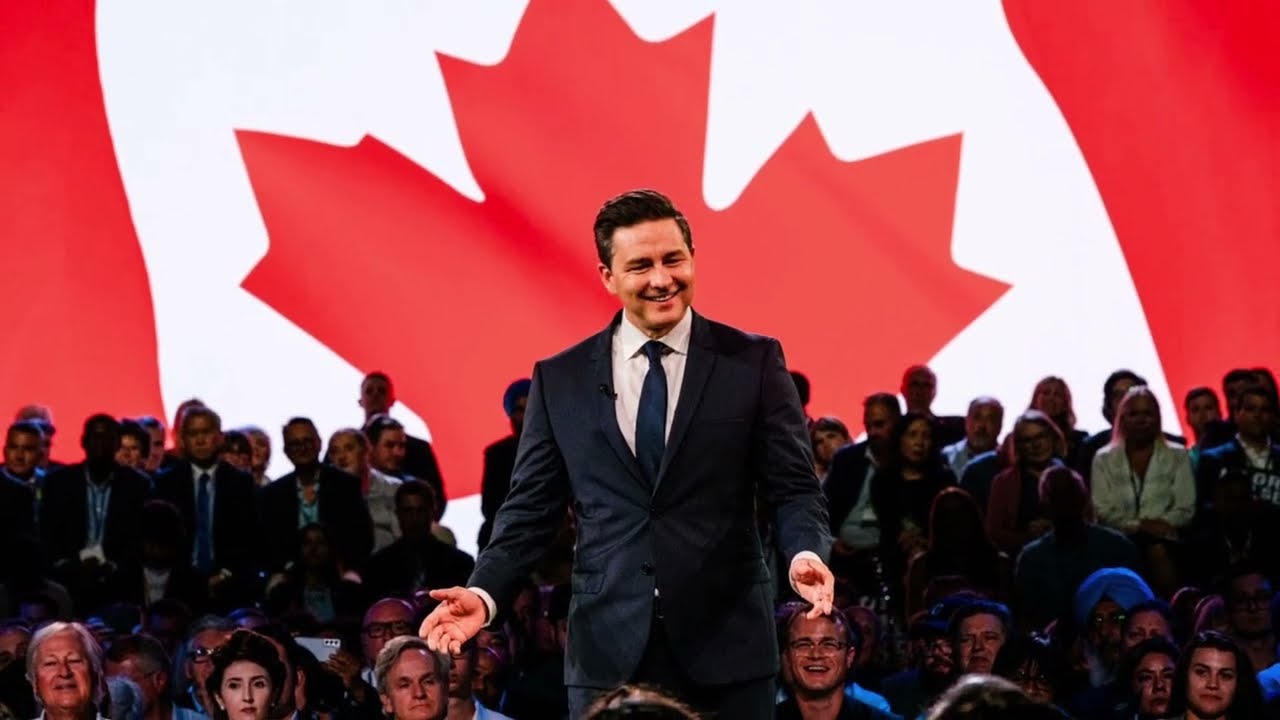
Carney further stated that the government’s strategy was intended to support an affordable transition toward a low-emission economy while maintaining competitiveness, reliability, and energy independence. He emphasized the importance of hydroelectric, nuclear, and renewable energy investments within that framework.
Questions were also raised about the use of offsets and carbon markets. Carney responded that offsets would remain part of a comprehensive net-zero strategy and suggested that a more developed carbon credit market could play a role in the future, particularly in provinces such as Alberta.
While the government presented its approach as a long-term investment strategy, opposition figures continued to challenge the effectiveness of large-scale public support for industrial projects connected to the clean economy transition.
Poilievre has argued that economic growth is best achieved through lower taxes, reduced regulation, and greater reliance on private-sector investment. In remarks highlighted throughout the debate, he promoted policies aimed at reducing corporate subsidies, lowering taxes on investment, and encouraging business expansion.
The Conservative leader also proposed measures designed to stimulate housing construction, including removing certain taxes on newly built homes and encouraging municipalities to accelerate permitting processes and reduce development costs.
Supporters of the government maintain that strategic investments are necessary to position Canada competitively in emerging industries, particularly as global economies increasingly focus on clean technology and electrification.


The controversy intensified after discussion surrounding several major electric vehicle and battery-sector projects referenced in the transcript. Critics pointed to project delays, cancellations, and corporate restructuring as evidence that public investments have not consistently produced the anticipated outcomes.
Among the examples cited were developments involving Honda and Northvolt. According to the transcript, these projects became focal points for broader concerns about whether government-backed industrial initiatives are generating the economic benefits originally promised.
Opposition critics argued that Canadians deserve greater transparency regarding the risks associated with large-scale subsidy programs and public-private partnerships. They contended that governments should be held accountable when anticipated investments fail to materialize.
Government supporters, however, have generally maintained that major industrial transformations often involve long timelines, changing market conditions, and significant uncertainty. They argue that evaluating such projects requires a broader perspective than focusing solely on individual outcomes.
The debate has also highlighted widening divisions within Parliament over how governments should encourage economic growth. Conservatives have emphasized tax reductions and market-driven investment, while Liberals have defended targeted public investments intended to support strategic sectors.
Beyond the political arguments, the discussion reflects broader questions about Canada’s place within a rapidly changing global economy. Policymakers continue to grapple with balancing economic competitiveness, environmental commitments, and regional development priorities.
Several themes emerged repeatedly throughout the exchange, including concerns about taxpayer exposure, the role of government intervention, and the pace of Canada’s transition toward lower-emission energy systems. These issues have become increasingly prominent in federal political discourse.
The disagreement also illustrates the contrasting narratives shaping Canadian politics. One side argues that public investment is necessary to secure future economic opportunities, while the other contends that excessive government involvement can create inefficiencies and distort market outcomes.
Observers note that debates of this nature are likely to continue as governments across North America compete to attract investment in electric vehicles, battery manufacturing, and clean energy infrastructure. Canada’s strategy remains part of a larger international effort to reshape industrial supply chains.
As pressure continues to build, both the government and opposition face growing expectations to demonstrate how their respective approaches would deliver jobs, economic growth, and long-term prosperity. The discussion has therefore extended beyond individual projects to become a broader debate about Canada’s economic future.
For now, the competing visions advanced by Carney and Poilievre continue to prompt renewed debate across Canada’s political landscape. While supporters of each approach argue that their policies offer the best path forward, the issue remains politically contentious and continues to evolve.






