Mark Carney’s Bad Temper Is Turning His Own MPs Against Him
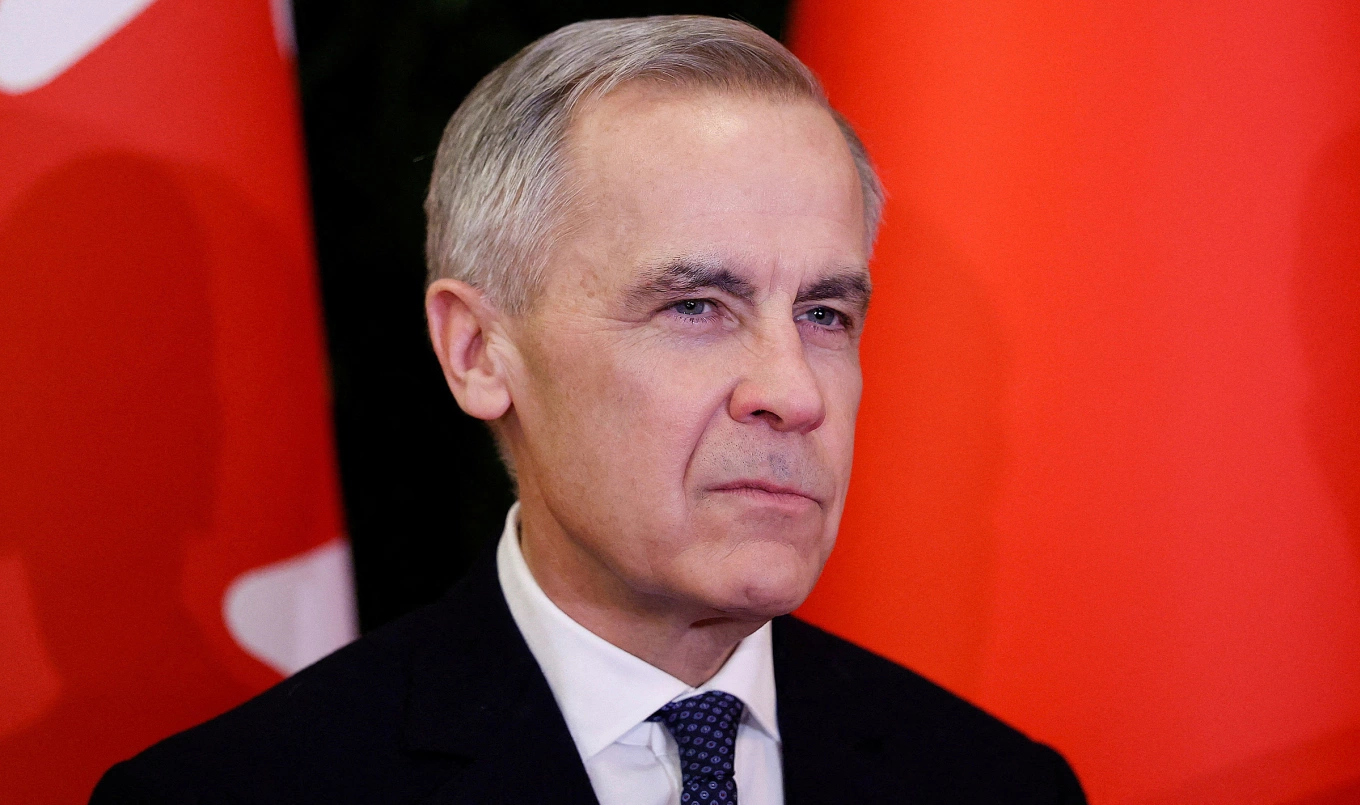
OTTAWA — Prime Minister Mark Carney, who entered politics promising disciplined and competent leadership, is facing growing unease within his own Liberal caucus over reports of a short temper and centralized decision-making style.
Anonymous Liberal MPs have described instances where Mr. Carney has lashed out at colleagues who raised concerns or offered criticism during caucus meetings.
Internal Frictions
According to a report in The Toronto Star, several Liberal MPs have spoken of Mr. Carney “yelling” and “punching down” when faced with dissenting views. One MP, speaking on condition of anonymity, said the prime minister has made clear he does not want to hear complaints, telling caucus members that if they do not agree with the agenda, they should keep criticism to themselves.
The accounts portray a leader who prefers solutions over discussion and shows impatience with internal debate.
Specific Incidents
Nova Scotia MP Jaime Battiste reportedly raised concerns about negative perceptions of government changes to the Indian Act and received a sharp rebuke. Winnipeg MP Doug Eyolfson, a physician, was allegedly told not to bring forward issues regarding Alberta’s health care policies. Laval MP Angelo Iannuzzi’s request for a visit to his riding was reportedly dismissed, with Mr. Carney incorrectly stating he had recently been there.
These episodes have left some MPs feeling sidelined and reluctant to speak openly.
Caucus Chair Guidance
Liberal caucus chair James Maloney recently advised MPs not to speak to journalists and to avoid writing letters to the prime minister, citing fears that such communications could leak. While concerns about leaks are not new in Canadian politics, some MPs view the current approach as more restrictive than under previous leadership.
Earlier Warnings
Reports of Mr. Carney’s demanding style surfaced months ago. In December 2025, sources told iPolitics that some Trudeau-era MPs were struggling to adjust to the new direction, particularly on climate and energy policy. A senior government source described certain members as “out of touch” with shifting public priorities.
Maclean’s magazine has also portrayed Mr. Carney as a “very demanding boss” who expects punctuality, formal dress and concise briefings, creating a tenser atmosphere than under Justin Trudeau.
Guilbeault’s Resignation
The tensions come as former Environment Minister Steven Guilbeault announced his resignation from Parliament, citing concerns over the government’s direction on climate action and energy policy. Mr. Guilbeault’s departure has amplified questions about internal cohesion.
Question Period Exchange
In a recent Question Period, Mr. Carney responded to a question about a Toronto woman facing job loss and homelessness by first wishing Opposition Leader Pierre Poilievre a happy birthday. The opposition seized on the remark as dismissive of constituent hardship.
Mr. Carney later emphasized the government’s focus on building a stronger economy and resilience amid external challenges.
Leadership Style
Mr. Carney, a former central banker with decades in finance but limited political experience before becoming prime minister, is described by some insiders as believing he is often “the smartest person in the room.” His background in high-pressure boardrooms appears to influence his approach to caucus management.
Supporters argue his focus on discipline and message control is necessary during a period of economic uncertainty and trade tensions with the United States.
Broader Context
The reports emerge as the Liberal government navigates a technical recession, pipeline negotiations with Alberta, and efforts to diversify trade partnerships. Internal unity is seen as critical for maintaining stability.
Some MPs have formed informal groups, such as a climate caucus, to ensure their perspectives are heard.
Potential Risks
Former Trudeau adviser Supriya Dwivedi has warned that alienating caucus members could have consequences. “You just can’t alienate your caucus and expect there not to be a consequence,” she said. “They won’t forget being treated this way.”
The government’s reliance on Mr. Carney’s personal popularity adds risk if internal discontent grows and affects public perception.
Defenders’ Perspective
Other Liberals say Mr. Carney is rightly prioritizing national unity, trade negotiations and economic growth over endless internal debate. They argue that constant criticism without solutions weakens the government’s ability to respond to external pressures.
Pattern of Centralization
Multiple accounts suggest Mr. Carney has concentrated power within a small inner circle, bypassing traditional consultation. This shift marks a departure from the more collegial style associated with earlier Liberal leadership.
Public and Party Implications
As the stories circulate, they fuel opposition attacks portraying the government as out of touch and internally divided. For Liberal MPs, the reports raise questions about long-term caucus morale and the sustainability of the current leadership approach.
Ongoing Scrutiny
Mr. Carney has not publicly addressed the specific allegations of temper or dismissal of colleagues. His office has emphasized a focus on delivering results for Canadians amid challenging global conditions.
A Leadership Test
How Mr. Carney manages these internal dynamics may shape the remainder of his tenure. The contrast between his technocratic image and reports of interpersonal friction presents an early test of his ability to unite his party while governing.
Whether the complaints represent isolated frustrations or a deeper rift remains to be seen, but they have already begun to erode the narrative of seamless competence that accompanied his rise to power.






