Julie Dabrusin Faces Sharp Questioning From Conservatives at Environment Committee
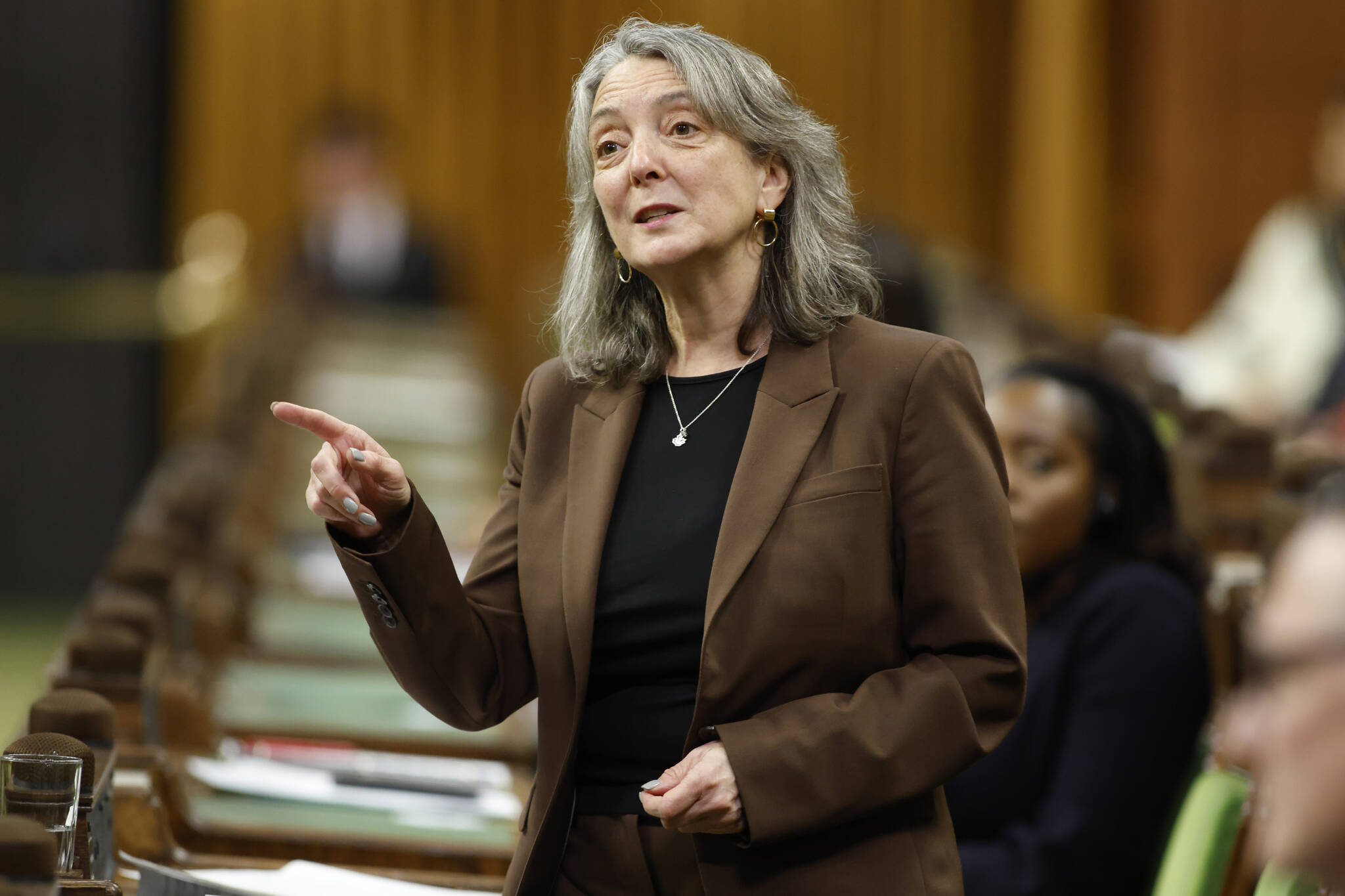
OTTAWA — Julie Dabrusin, Canada’s Minister of Environment and Climate Change, endured a contentious appearance before the House of Commons environment committee on Thursday as Conservative members pressed her on government spending, climate policy and internal party divisions.
The session highlighted growing tensions within the Liberal government over energy development and fiscal responsibility amid ongoing economic pressures.
Direct Exchanges
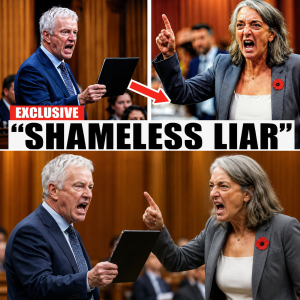
Conservative MP David Bezan repeatedly sought clear answers on the government’s position regarding new oil pipelines. Ms. Dabrusin responded by emphasizing consultation with Indigenous groups and provinces, avoiding a direct yes or no on pipeline construction.
Mr. Bezan pressed the minister on whether she supported building new pipelines, describing the issue as binary. Ms. Dabrusin maintained that decisions must respect provincial jurisdiction and Indigenous consent.
Spending Scrutiny
Another Conservative MP questioned expenditures related to Canada’s participation at COP30 in Brazil. Records showed over $467,000 spent on accommodations, including luxury units costing tens of thousands of dollars for the delegation.
Ms. Dabrusin defended the choices, noting that accommodations during the high-demand conference period were limited and that efforts were made to share rooms for cost efficiency. She also traveled in economy class.
Sole-Source Contracts
Committee members raised concerns about a $433,000 sole-source contract awarded for space design and furnishing at the COP30 pavilion. Ms. Dabrusin said she would follow up with further details but stressed the importance of Canada’s presence at the international climate conference for engagement with industry and other governments.
Additional questions focused on $310,000 spent on event management support. The minister indicated her department would provide more information on the rationale behind the contracts.
Broader Climate Debate
The hearing occurred against the backdrop of recent internal Liberal Party friction. Former Environment Minister Steven Guilbeault announced his resignation from Parliament, citing concerns over the direction of climate policy under Prime Minister Mark Carney.
Mr. Guilbeault, who had served in the role previously, expressed disappointment over perceived backsliding on climate commitments, particularly regarding pipeline deals with Alberta.
Policy Tensions
Ms. Dabrusin, who assumed the environment portfolio in May 2025, insisted the government remains committed to Canada’s 2030 climate targets. She highlighted ongoing work with the Prime Minister on environmental matters and rejected the need to sign internal letters of concern, stating she discusses issues directly with Mr. Carney.
Conservative members challenged the consistency of the government’s message, pointing to public disagreements within the Liberal caucus.
Affordability Context
Opposition MPs tied the spending questions to Canada’s affordability challenges, arguing that funds used for international conferences could address domestic priorities such as infrastructure and support for communities facing economic strain.
Ms. Dabrusin countered by referencing social programs like the Canada Child Benefit and broader efforts to support workers in affected sectors.
Committee Dynamics
The exchanges grew testy at times, with Ms. Dabrusin defending the necessity of Canada’s international climate engagement while Conservatives demanded greater fiscal restraint and policy clarity.
The minister repeatedly offered to provide additional written responses to detailed procurement questions.
Guilbeault’s Departure
Mr. Guilbeault’s exit has drawn attention as a rare public break by a former senior minister. His resignation adds to perceptions of strain within the governing party over balancing climate goals with energy sector realities.
The Carney government has pursued pipeline agreements with Alberta while maintaining climate rhetoric, creating visible friction.
Minister’s Position
As the current environment minister, Ms. Dabrusin faces the challenge of navigating these competing pressures. Her committee performance reflected the government’s emphasis on consultation and process over definitive commitments on specific projects.
Political Ramifications
The hearing underscores the difficult balancing act for the Liberals. With economic uncertainty and regional divisions over energy policy, the government must manage both environmental ambitions and resource sector concerns.
Conservatives used the session to portray the minister as evasive on key issues.
Public Interest
Canadians in energy-producing provinces such as Alberta and Saskatchewan are closely watching how the government reconciles climate policy with economic needs. The committee exchange is likely to fuel ongoing debate.
Looking Ahead
Ms. Dabrusin’s department is expected to provide follow-up information on the COP30 expenditures. The broader climate and energy strategy remains a central point of contention as Parliament continues its work.
The incident reflects deeper questions about policy coherence within the current administration as it faces pressure from multiple directions.
A Defining Moment
Thursday’s committee meeting offered a window into the challenges facing Canada’s environment minister. As internal divisions surface and opposition scrutiny intensifies, the government’s approach to climate and energy will likely remain under the spotlight in coming weeks.






