Albanese Takes Aim at Liberals as Tony Abbott Returns to Party Leadership Role
Prime Minister Anthony Albanese has used Question Time to ridicule the Liberal Party following the election of former prime minister Tony Abbott as federal party president, portraying the move as a step backward rather than a sign of renewal.
The comments came as the Coalition continues to assess the damage from its recent election defeat and search for a path back to political relevance. Instead of focusing on future reforms, Albanese argued, the Liberals appear to be embracing figures from their past.
Speaking in Parliament, the Prime Minister seized on Abbott’s return to a prominent position within the party as evidence that the opposition has failed to learn the lessons of its electoral loss. He suggested that voters expected change, yet the Liberals were choosing familiarity over transformation.
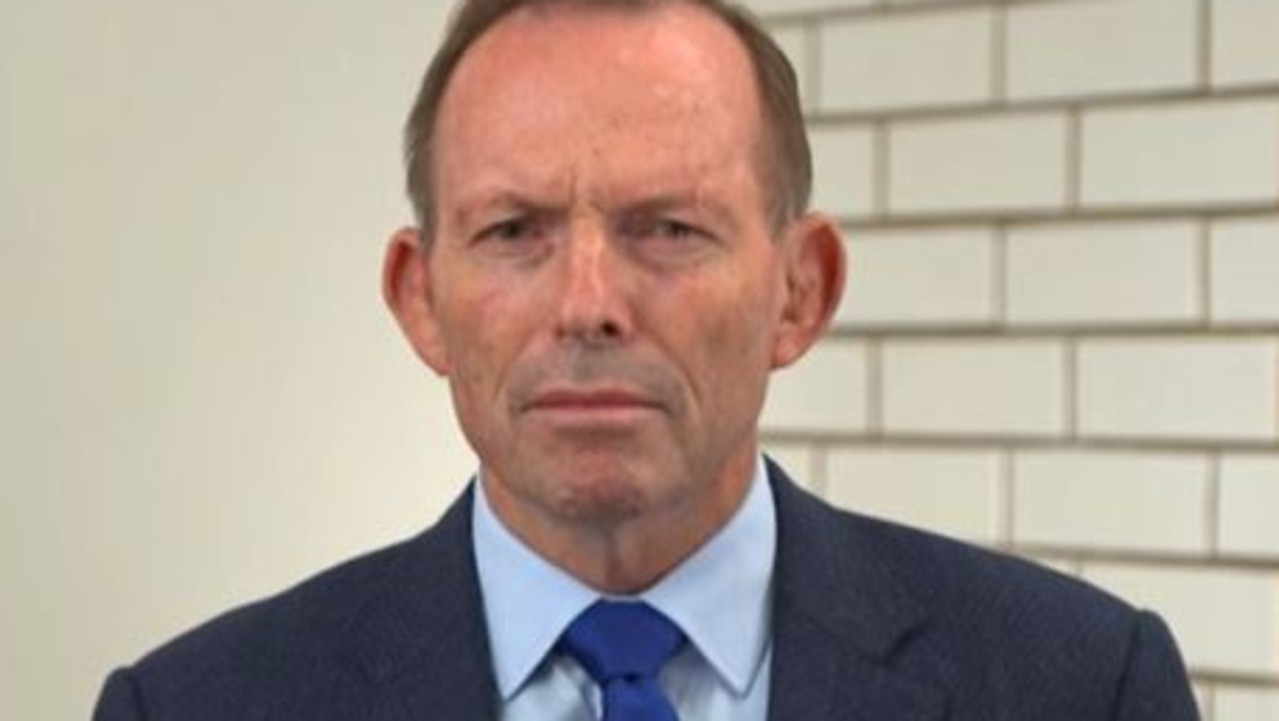
Albanese’s remarks quickly drew attention across the political spectrum. While government MPs welcomed the criticism, Liberal supporters defended Abbott’s appointment, arguing that his experience and understanding of party values remain important assets.
The election of Abbott as federal party president marks a significant moment for the Liberal Party. As one of the most recognizable conservative figures in modern Australian politics, Abbott continues to hold influence among grassroots members despite no longer serving in Parliament.
For Labor, however, Abbott’s return provides an opportunity to reinforce a political narrative. Government strategists have consistently portrayed the Coalition as divided between modernizing forces and traditional conservatives. The appointment, they argue, strengthens that perception.
During Question Time, Albanese used the occasion to contrast Labor’s agenda with what he described as the opposition’s focus on the past. He suggested Australians were looking for solutions to current economic and social challenges rather than a revival of earlier political battles.
The Prime Minister’s criticism reflects a broader strategy aimed at keeping pressure on the Coalition as it rebuilds after defeat. By linking the party’s future to former leaders, Labor hopes to convince voters that the opposition has not yet developed a fresh vision.
Abbott’s supporters reject that argument. They contend that his leadership experience and long-standing commitment to conservative principles make him well suited to help guide the party through a difficult period.
Many Liberal members view the former prime minister as a figure capable of reconnecting the party with its traditional voter base. They believe his appointment can provide organizational stability at a time when the Coalition faces questions about identity and direction.
Political analysts note that party presidents often play an important behind-the-scenes role. While they are not responsible for day-to-day parliamentary leadership, they help shape party administration, strategy, and engagement with members.
Nevertheless, symbolism matters in politics. Abbott’s election has inevitably generated debate about what message the Liberal Party is sending to voters after its electoral setback.
For critics, the appointment reinforces concerns that the party is struggling to move beyond familiar personalities. They argue that successful political renewal often requires new voices and a willingness to rethink old approaches.
For supporters, the decision reflects confidence in experience rather than resistance to change. They maintain that rebuilding a political movement requires both institutional knowledge and a clear understanding of its core values.

The exchange in Parliament highlighted the increasingly sharp political contest between Labor and the Coalition. As both sides prepare for future electoral battles, leadership, identity, and vision are likely to remain central themes.
Albanese’s comments also underline Labor’s determination to frame the next phase of Australian politics as a choice between progress and what it sees as a return to earlier political eras. Whether that argument resonates with voters remains to be seen.
Meanwhile, the Liberal Party faces the challenge of balancing renewal with continuity. Party leaders must convince Australians that they have learned from defeat while maintaining the principles that define their political identity.
As debate continues over Abbott’s appointment, the broader question for the Coalition is whether experienced figures can help drive a successful comeback or whether voters will demand a more dramatic generational shift.
The answer may shape not only the future direction of the Liberal Party but also the wider political landscape in Australia in the years ahead.






