Australian comedian and satirist Lisa Jane Spencer has found herself at the center of a heated national debate after posting a controversial comedy sketch that mocked identity politics and cultural self-identification.
Spencer, a Melbourne-based podcaster and content creator known for her political parodies and social commentary, uploaded the video to social media on Tuesday. Within hours, the clip had attracted thousands of views, while triggering strong reactions from both critics and supporters.

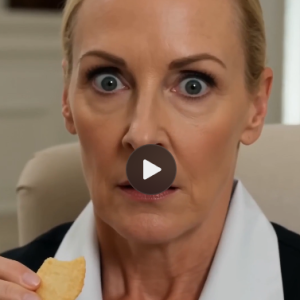
In the sketch, Spencer portrays a fictional character named “Aunty Lisa,” a white woman who claims to have recently begun identifying as Aboriginal.
“I started identifying as a black fella a few months ago,” the character says at the beginning of the video.
The skit then shows the character filling out a mock government form and selecting “Yes I am” in response to a question asking whether she is Aboriginal.
As the video progresses, Spencer performs exaggerated scenes intended to parody public discussions around identity, cultural belonging, and self-identification. She appears wearing white face paint, clapping sticks together, and participating in what resembles a satirical version of a smoking ceremony.
“Aboriginal identity transcends skin colour. I am Aboriginal, end of story,” the character declares during the performance.
The most controversial moment arrives at the end of the sketch when Spencer is shown inhaling from a red fuel container, a scene many viewers interpreted as a reference to the harmful stereotype of petrol sniffing in Indigenous communities.
The video was quickly condemned by a number of social media users, who accused the comedian of relying on offensive stereotypes rather than meaningful satire.
“This isn’t comedy or satire. It’s a collection of lazy and racist stereotypes dressed up as a joke,” one critic wrote online.
Another commenter argued that effective comedy should challenge those in positions of power rather than target marginalized communities.
“Good comedians punch up. The lazy ones punch down and call the backlash proof they’re too edgy,” the user said.
Others focused specifically on the petrol-sniffing reference, describing it as crossing a line that many believed should not be used for comedic effect.
“Shock value is what you reach for when you can’t land a punchline,” another critic posted.

Several Indigenous advocates and supporters also argued that the sketch reduced Aboriginal culture and identity to simplistic caricatures, potentially reinforcing harmful misconceptions rather than encouraging meaningful discussion.
However, not everyone agreed with the criticism.
Many supporters defended Spencer’s right to create provocative satire and argued that the sketch was aimed at broader debates surrounding identity politics rather than Aboriginal Australians themselves.
“I didn’t think it was possible to love your content more than I already do,” one supporter commented.
Another wrote: “I’m literally laughing out loud. This is exactly what satire is supposed to do.”
The controversy has reignited a long-running discussion about the role of comedy in modern society and where the boundaries between satire, free expression, and offensive content should be drawn.
Some commentators argue that comedians must be free to challenge social norms and controversial ideas without fear of censorship. Others contend that humor carries responsibilities, particularly when dealing with communities that have historically faced discrimination and disadvantage.
Spencer is no stranger to controversy.
Over recent years she has built a significant online audience through parody videos that imitate politicians, media personalities, and cultural trends. Her previous targets have included figures such as Pauline Hanson, Abbie Chatfield, and Donald Trump.
In another widely discussed parody, Spencer portrayed a white woman claiming to identify as Indian, using exaggerated language to mock debates surrounding cultural identity and assimilation.
Before entering comedy full-time, Spencer spent roughly a decade working as a singer-songwriter and music producer. Since transitioning into online satire, she has published more than 130 parody videos, many of which focus on Australian politics, social issues, and cultural controversies.
The latest backlash demonstrates how quickly online comedy can become a national conversation when it touches on sensitive subjects involving race, identity, and representation.
While critics continue to call the sketch offensive and harmful, supporters insist it is a legitimate form of satire designed to challenge contemporary social debates.
For now, the controversy shows no sign of fading, with discussions continuing across social media platforms about whether Spencer’s video represents fearless comedy—or a joke that went too far.