Political tensions rise as Luxon criticises Green Party policies
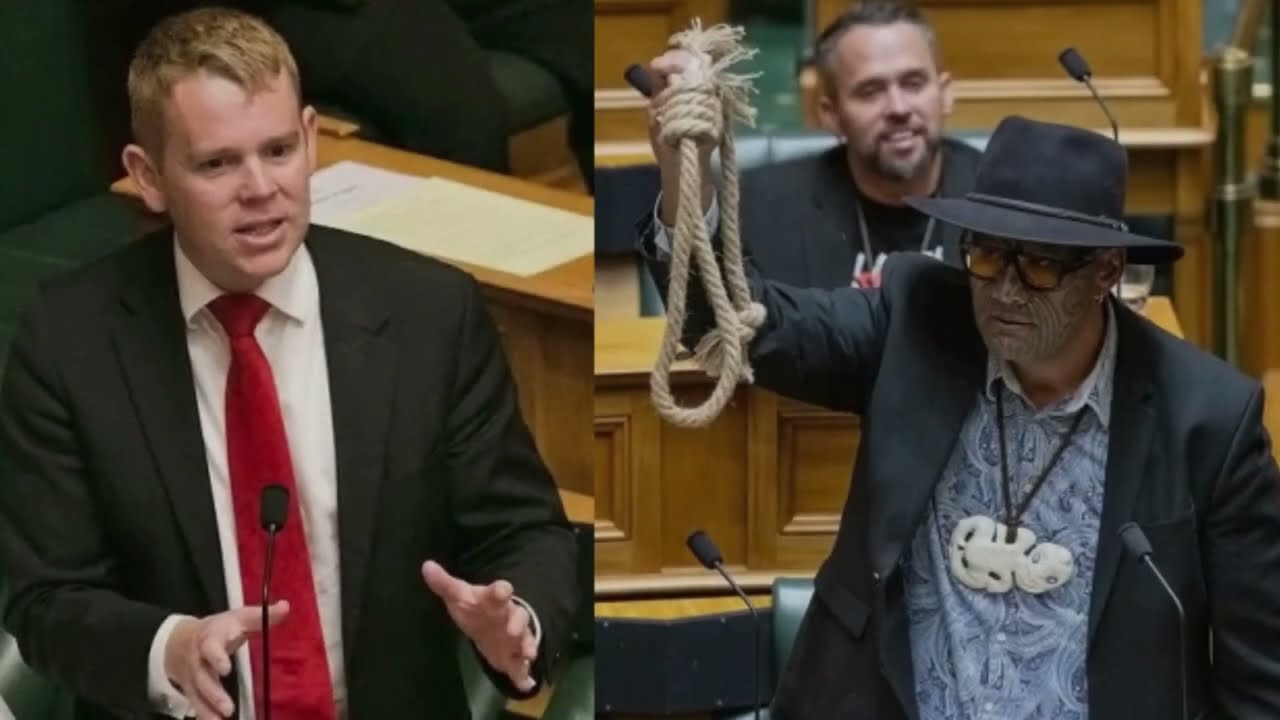
Prime Minister Christopher Luxon has intensified criticism of Green Party policy proposals as political debate over economic management, taxation, and public spending continues to sharpen ahead of the next general election. Coalition ministers argue that the Government’s approach is focused on fiscal discipline, economic stability, and long-term growth, while opposition parties maintain stronger public investment is needed to address social and economic pressures.
Green Party co-leader Chlöe Swarbrick defended the party’s policy platform and argued that current economic conditions continue placing pressure on households facing rising living costs, housing affordability challenges, and public service concerns. Swarbrick said voters are increasingly seeking alternative approaches to taxation, welfare, housing, and environmental policy.


Luxon said the coalition Government remains focused on economic responsibility and argued that higher public spending or increased taxation could create additional pressure on businesses and households. Ministers have repeatedly stated that fiscal restraint remains necessary to maintain investor confidence and support sustainable long-term economic growth.
The Green Party rejects the Government’s criticism and says targeted public investment and tax reform are necessary to address inequality, housing pressures, climate policy, and public service demand. Green MPs argue that economic policy should place stronger emphasis on affordability and social outcomes alongside traditional fiscal indicators.
Political analysts note that tensions between the Government and the Greens are likely to intensify as election campaigning accelerates. Analysts say debates over taxation, climate policy, welfare spending, and housing affordability may become increasingly prominent in broader political discussion.
The Government has accused opposition parties of promoting policies that could place additional strain on public finances during uncertain economic conditions. Coalition representatives argue that stable economic management remains essential while inflationary pressure and international uncertainty continue affecting households and businesses.
Swarbrick and Green Party MPs maintain that many New Zealanders remain dissatisfied with living standards and economic inequality despite Government assurances that conditions are improving. The Greens continue advocating for policies aimed at wealth distribution, environmental investment, and expanded social support measures.
Labour leader Chris Hipkins has also criticised aspects of the Government’s economic strategy, although Labour and the Greens continue presenting distinct policy priorities in several areas. Political commentators note that relationships between opposition parties may become increasingly important under New Zealand’s MMP electoral system.
Public polling suggests affordability remains one of the most important concerns for voters. Analysts say parties across the political spectrum are therefore attempting to frame economic arguments around everyday household experiences involving rent, groceries, mortgage repayments, transport costs, and healthcare access.
Climate policy continues to be another major area of disagreement between the Government and the Greens. Coalition ministers argue that environmental policy must balance emissions goals with economic practicality, while Green Party representatives continue calling for faster and more ambitious climate action.
Housing affordability also remains central to political debate. The Government says planning reforms and infrastructure investment will improve housing supply gradually, while the Greens argue more direct intervention may be necessary to support renters and lower-income households.
Political scientists note that election campaigns often become contests over economic credibility and leadership perception as much as policy detail itself. Luxon is seeking to reinforce the Government’s image as economically disciplined, while Swarbrick and opposition parties are attempting to highlight concerns regarding inequality and affordability.
Business organisations continue closely monitoring economic proposals from all major political parties. Industry groups remain focused on regulatory certainty, workforce development, productivity growth, and infrastructure planning as political competition intensifies ahead of the election.
Media coverage of political tensions between the Government and opposition parties has increased in recent months alongside growing scrutiny of polling trends and campaign strategy. Commentators say sharper political exchanges are likely as parties compete for voter attention and support.
Questions remain regarding how influential Green Party policies may become within the wider election campaign. Analysts suggest affordability and healthcare are still likely to dominate political discussion, although climate change and taxation policy may play increasingly significant roles among younger and urban voters.
The Government continues defending its broader economic programme and says gradual improvement requires stable fiscal management rather than rapid policy expansion. Ministers argue that economic resilience and investor confidence remain essential for maintaining employment and public services over time.
The Greens believe political debate is increasingly shifting toward inequality, housing pressure, and environmental concerns. Swarbrick has argued that voters are seeking stronger policy responses to long-term structural challenges rather than incremental policy adjustments alone.
Political commentators note that smaller parties can play influential roles in coalition negotiations under New Zealand’s electoral system even if they do not lead government directly. This means debates involving the Greens may continue shaping wider political discussion throughout the campaign period.
Ultimately, the latest exchange between Luxon and Swarbrick reflects broader ideological differences regarding economic management, public spending, and the role of government in addressing social and environmental challenges. As election campaigning intensifies, these policy disagreements are likely to remain prominent within New Zealand’s political debate.






