Canada Turns to China: How Carney Is Rewriting Trade Away From the US
OTTAWA — Prime Minister Mark Carney’s government is accelerating a strategic pivot toward China and other non-American markets, seeking to reduce Canada’s heavy economic dependence on the United States amid persistent trade tensions.
The shift marks one of the most significant reorientations in Canadian foreign economic policy in decades.
Historic Beijing Visit
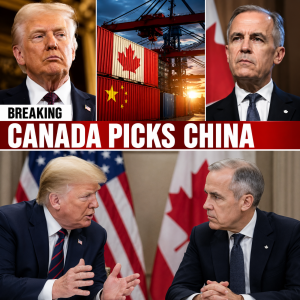
Earlier this year, Mr. Carney traveled to Beijing — the first Canadian prime minister to do so in nearly a decade. The visit produced a preliminary agreement in principle aimed at lowering trade barriers and reopening channels that had been constricted by high tariffs.
The move signals Ottawa’s determination to diversify its trading relationships at a time when friction with Washington continues.
Concrete Gains
One of the most tangible outcomes involves canola, a cornerstone of Canadian agriculture. Chinese tariffs on Canadian canola seed, which had reached punishing levels around 85 percent, are expected to drop sharply to approximately 15 percent under the new understanding.
The broader measures in the framework could unlock nearly $3 billion in additional export opportunities for Canadian producers and workers.
Broader Diversification Strategy
Foreign Affairs Minister Anita Anand has set an ambitious target: doubling Canada’s non-U.S. trade over the next 10 years. The goal reflects a growing consensus in Ottawa that relying overwhelmingly on one partner carries unacceptable risks.
The strategy includes deepening ties across Europe and Asia while maintaining the critical U.S. relationship.
Response to U.S. Pressures
Canadian officials point to tariffs, unpredictability and strained relations with the United States as key drivers of the diversification push. For generations, the U.S. market has dominated Canadian exports, with deeply integrated supply chains across sectors like autos and energy.
Recent disputes have exposed the vulnerabilities of that dependence.
Limits of the Shift
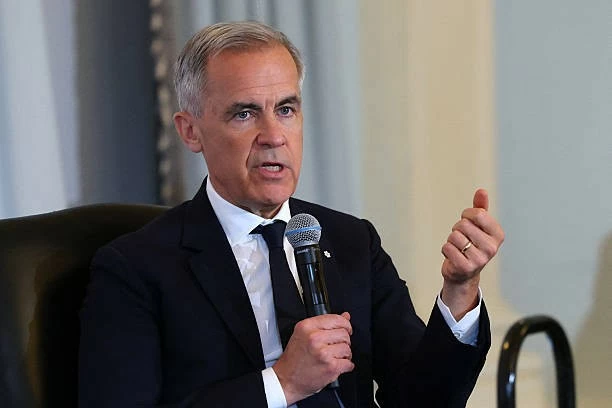
Experts caution that reducing reliance on the United States will be difficult and gradual. Even if the 10-year target is met, the U.S. is expected to remain by far Canada’s largest trading partner due to geography, infrastructure and established business networks.
The strategy is framed as insurance rather than replacement.
Political and Economic Context
Mr. Carney has positioned the pivot as pragmatic economic statecraft. By building alternatives, Canada aims to gain leverage and resilience in negotiations with Washington rather than remaining in a position of singular dependence.
The approach has drawn both support and skepticism within Canada.
Agricultural Impact
The canola tariff reduction offers immediate relief to prairie farmers who faced sharply reduced access to the Chinese market. The crop supports entire rural economies, and renewed exports could stabilize incomes and processing industries.
Symbolism of Engagement
The Beijing trip itself carries heavy symbolic weight. Relations between Canada and China had been largely frozen for years due to diplomatic disputes. Reviving high-level dialogue represents a deliberate choice to prioritize economic opportunity over past tensions.
Transatlantic Ripple Effects
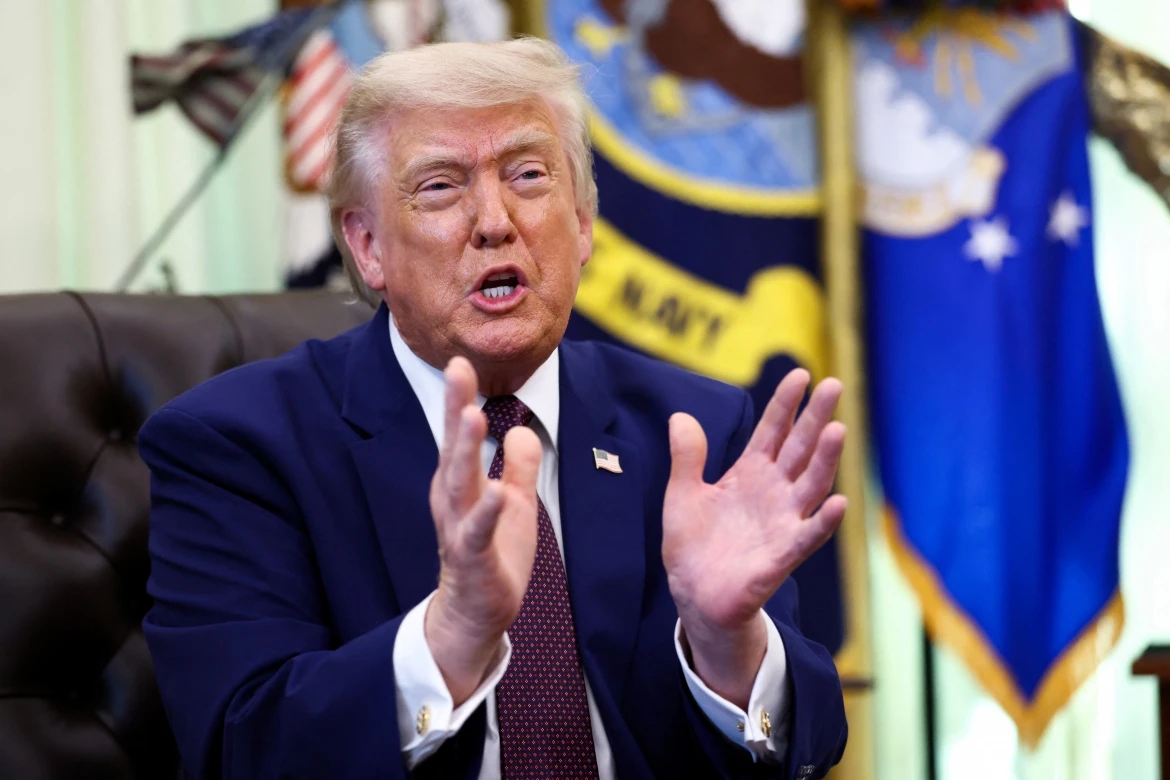
The moves are being closely watched in Washington. U.S. officials have expressed concern about closer Canada-China economic ties, viewing them as complicating efforts to counter Beijing’s influence.
Ottawa insists the strategy strengthens Canada without undermining its alliance with the United States.
Long-Term Vision
Canadian leaders describe the global economic environment as fundamentally changed. In this new reality, they argue, diversification is not optional but necessary for long-term prosperity and sovereignty.
The 10-year horizon gives the policy room to adapt to shifting conditions.
Domestic Debate
Within Canada, opinions are divided. Supporters see the China engagement as smart risk management. Critics worry about over-reliance on an authoritarian state and potential national security implications.
The government maintains it is pursuing balanced engagement with clear guardrails.
Supply Chain Realignment
Beyond tariffs, the preliminary agreement seeks to address regulatory barriers and facilitate smoother trade flows. Canadian businesses hope this will encourage investment and expand market access in multiple sectors.
Geopolitical Calculations
The strategy fits into a larger pattern of middle powers seeking greater autonomy amid U.S.-China competition. Canada is attempting to thread the needle between its closest neighbor and the world’s second-largest economy.
Challenges Ahead
Implementation will require navigating complex logistics, new regulatory environments and potential political volatility in China. Sustaining momentum over a decade will test the government’s consistency and diplomatic skill.
A Defining Bet
Mr. Carney’s government is making a calculated wager: that building a broader network of trading partners will give Canada greater freedom of action and economic resilience without severing its vital U.S. ties.
The early results, particularly on canola, provide measurable wins to build upon.
Uncertain Future
Whether this diversification delivers lasting benefits will depend on global conditions, U.S. policy shifts and Canada’s ability to execute the strategy effectively. For now, Ottawa has clearly signaled it will no longer put all its economic eggs in one basket.
The coming years will reveal if this bold reorientation strengthens Canada or introduces new vulnerabilities.






