Just Now: Canada Opens World Cup Doors While Trump’s Tariffs Shadow Everything
OTTAWA — As Canada prepares to co-host the 2026 FIFA World Cup, Prime Minister Mark Carney has sought to project optimism and national unity, even as trade tensions with the United States continue to loom over the tournament.
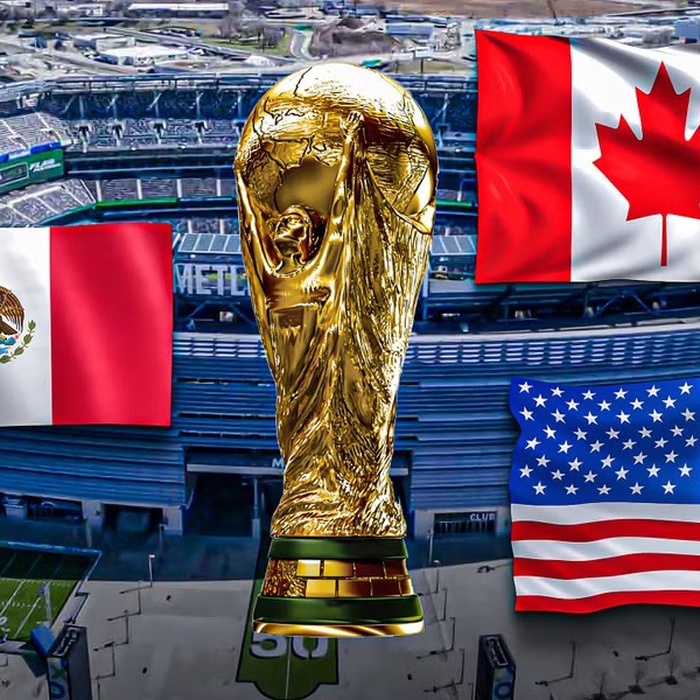
The event, spanning Canada, the United States and Mexico, was intended as a celebration of North American cooperation. Instead, it has become entangled in broader geopolitical frictions.

Kickoff Event in Ottawa
On May 24, Mr. Carney joined young soccer players from local clubs at a “Canada Celebrates” event in Ottawa, officially launching the country’s countdown to the tournament. The prime minister emphasized themes of pride, unity and opportunity, posing with children and highlighting the World Cup as a moment for Canada to showcase itself on the global stage.
Thirteen matches will be played on Canadian soil, primarily in Toronto and Vancouver.
Economic Expectations
Organizers project that hosting duties will generate roughly $2 billion in economic activity and create nearly 25,000 jobs across Canada. For a country facing tariff-related pressures on key exports such as steel, aluminum and lumber, the tournament represents a significant potential boost.
Trump’s Parallel Actions
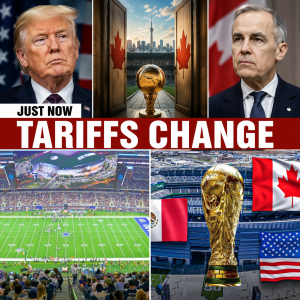
The optimism in Ottawa stands in contrast to developments south of the border. President Donald Trump recently accepted a newly created FIFA Peace Prize from FIFA President Gianni Infantino, even as his administration has threatened steep tariffs on Canadian goods, including up to 100 percent on certain products.
Mr. Trump has also repeatedly floated the idea of Canada becoming the 51st American state, comments that have been met with firm rejection in Ottawa.
Fan Preferences Emerging
International media reports suggest growing interest among global fans in attending matches in Canadian host cities rather than American ones. Concerns about border procedures, political climate and potential difficulties at U.S. entry points have been cited by some supporters planning their trips.
This trend, if sustained, could shift tourism and economic benefits toward Toronto and Vancouver.
Political Symbolism
Mr. Carney has framed the World Cup as an opportunity to highlight Canadian values of openness and multiculturalism. The tournament arrives at a time when Canada is actively seeking to diversify its international relationships amid strained ties with Washington.
The event provides a year-long platform for Canada to present itself as a stable and welcoming partner on the continent.
Broader Tensions
The juxtaposition is striking. While Canadian cities prepare to welcome fans from 48 nations, trade disputes continue to affect cross-border supply chains. Industries important to both countries remain under pressure from tariffs, complicating the narrative of seamless North American partnership.
Co-Hosting Challenges
Coordinating security, transportation and fan movement across three countries with differing political environments presents logistical and diplomatic hurdles. Canadian officials have emphasized the need for smooth collaboration despite surface-level disagreements.
Youth and Legacy
The involvement of young Canadian players in kickoff events underscores the tournament’s potential generational impact. For many children, the 2026 World Cup could become a defining memory of national pride and global connection.
International Perception
Analysts note that the tournament offers Canada a chance to enhance its soft power. As some fans express hesitation about U.S. venues, Canada is positioned — fairly or not — as the more accessible and welcoming North American host.
Economic and Political Stakes
Beyond direct revenue, a successful World Cup could bolster Canada’s image as a reliable host for major international events. This matters as the country navigates economic uncertainty and seeks new trading partners.
Trump’s Influence
Mr. Trump’s rhetoric and tariff threats have become part of the backdrop. Canadian leaders have avoided direct confrontation, choosing instead to focus on domestic preparations and positive messaging around the tournament.
A Defining Summer
The 2026 World Cup will test Canada’s ability to deliver on its promises as a host while managing external political pressures. Success could deliver both economic gains and a boost in national confidence.
Uncertain Atmosphere
Questions remain about how fans will ultimately divide their travel plans, how border cooperation will function under strain, and whether the tournament can transcend the political shadows surrounding it.
Looking Ahead
Over the next year, Canada will host a series of pre-tournament events designed to build excitement and showcase its readiness. The government hopes these activities will reinforce a narrative of openness and resilience.
The World Cup arrives at a pivotal moment for Canada’s international positioning. How the country navigates the intersection of sport, economics and geopolitics could shape its global image for years to come.






