BRUSSELS, Belgium — From time to time, waves break in the European political space that quickly stir public opinion, even if the basis of the debates cannot be considered confirmed facts. In recent times, theories have begun to circulate in the corridors of Brussels that affect the future of the European Commission.
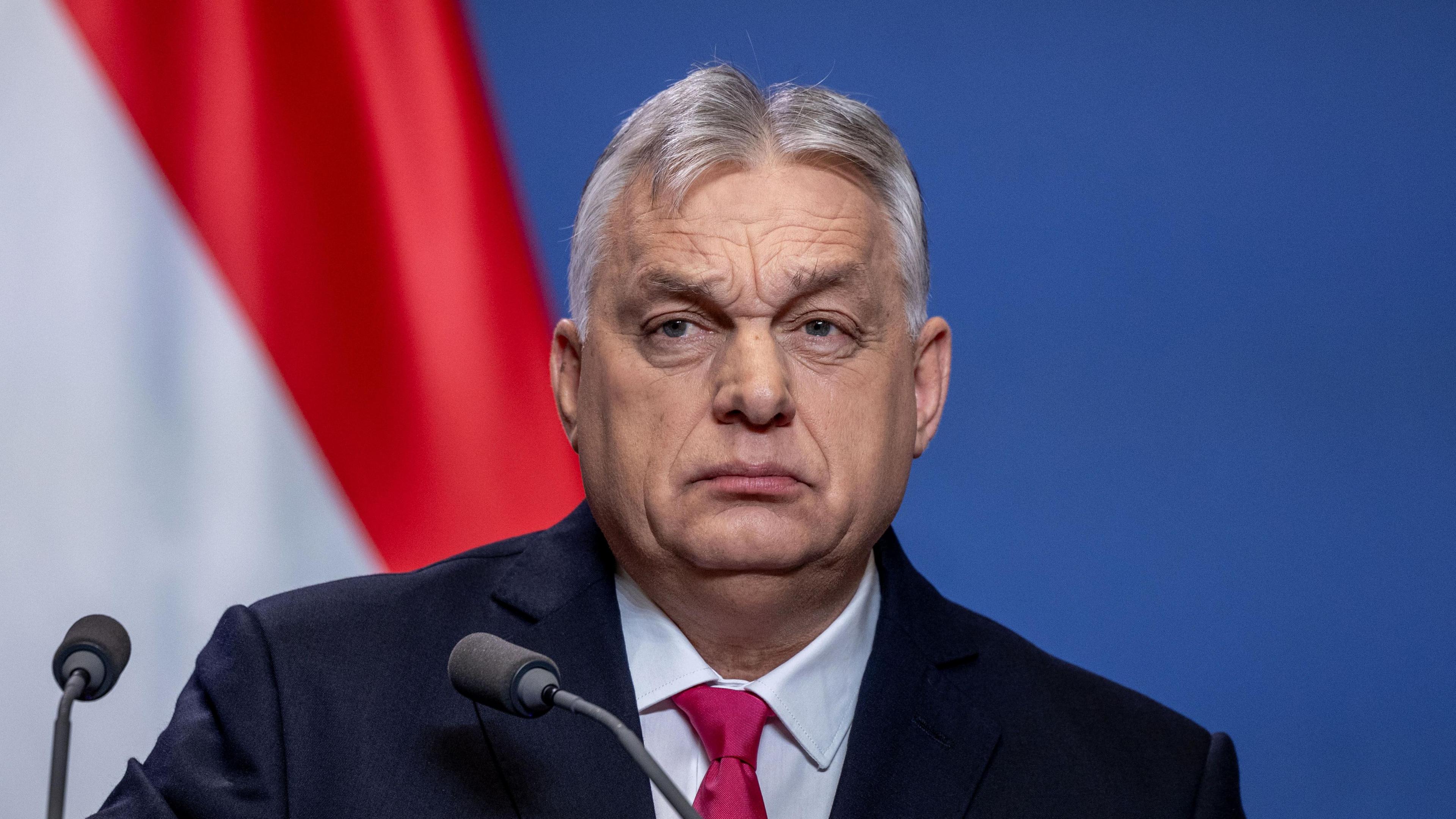
The name of Hungarian Prime Minister Viktor Orbán, who has long been one of the most controversial and divisive figures in European politics, has once again become the center of the discourse. According to some analysts, due to his political weight and experience, he often becomes a permanent, unavoidable part of various international power scenarios on the continent’s stage.

Current speculation suggests that some online sources are interpreting the discussions in the EU institutions in an oversimplified way as if they would lead to an immediate and radical shift in power. However, these claims are not yet supported by any official decisions or confirmed diplomatic processes.
The functioning of the European Union is extremely complex, based on continuous, serious consultation between several independent institutions and twenty-seven member states. The position of President of the European Commission is a privileged position, regulated by extremely strict political and legal processes within the framework of the Treaty of Lisbon.
Therefore, radical claims that suggest a rapid and coup-like takeover of the Brussels bureaucracy do not reflect the real, everyday functioning of the EU institutional system. Yet simplified or deliberately exaggerated interpretations by political formations spread rapidly on social media.
These narratives are often not based on official sources, but rather on individual opinions, comments or misinterpreted background information. In the modern era of rapid information flow, these stories quickly gain significant attention, regardless of how much basis they actually have in reality.
In the current situation, it can also be observed that the general feeling of political uncertainty significantly strengthens the spread of such sensational news. The European Union is currently facing a number of serious challenges, including economic stagnation, migration policy and energy security.
These geopolitical factors combine to create a tense environment in which speculation easily escalates in the capitals of the member states. Political analysts often emphasize that there is almost always a significant gap between the harsh reality and the narratives appearing in the media in the Union.
A powerful, click-baiting headline or a radical statement by a politician does not necessarily reflect the actual decision-making processes taking place behind closed doors. The institutional system of the European Union fundamentally operates through slow, consensus-based mechanisms, where any important change requires multi-level approval.
Opinions are also radically divided among the different factions regarding Viktor Orbán’s role in Brussels. Some believe that his name almost automatically comes up in every major institutional debate due to his ideological position and international alliance system. Others believe that the claims about him are more like political myths.
The current high-profile claims of a “Brussels takeover” therefore belong more to the category of political fantasy and speculation than to concrete facts. It is important to note that no official EU document supports such a change at the head of the Commission.
At the same time, the spread of such news clearly demonstrates how sensitive and responsive our modern, digital information environment is. In international political discourse, even a single ambiguous statement can be enough to trigger widespread debate and serious speculation.
This is especially true in the case of sensitive topics that directly affect the future, internal structure or top leadership of the European Union. Public reactions are also extremely diverse in different regions of the continent, from the Baltic states to the member states of the Iberian Peninsula.
Some see all such rumors as a sure sign of a potential dramatic political turn on the international stage. Others, however, are responding to unconfirmed information with healthy criticism and skepticism, which is understandable in this era of artificially generated news and disinformation.
This deep division reflects the current unstable state of European political discourse, where a lack of trust and fear of the future coexist. According to experts, the rapid spread of unverified information is expected to increase in the future.
This trend makes it even more important for independent journalists and editorial offices to strictly verify the credibility of sources. When interpreting political news, it is especially important to make a clear distinction between actual government decisions and speculative, manipulative narratives.
Overall, the current situation is more of a media-intensified, artificial debate than a genuine, profound institutional transformation in Brussels. Although political discourse often uses deliberately dramatic language, the real legal processes are much more complex and considerably slower.
The long-term future of the European Union continues to raise many open questions for citizens, but the answers to these questions will not be found in a single sensational news story, but will crystallize as a result of structural and social processes among the Member States.
The structural tension between the Brussels bureaucracy and governments striving for national sovereignty is not a new phenomenon, but a built-in source of conflict that has existed since the beginning of European integration. The current debates are just the latest chapter in this long-standing, ongoing institutional tug-of-war.
Ralf Stegner and other prominent German Social Democratic politicians have often warned that the internal unity of the European Union could have unpredictable consequences. The diplomatic exchanges between Berlin and Budapest clearly show that the fault lines are deepening between the supporters of the federation and the defenders of independent nation states.
The reform of European institutions, including a possible change in voting mechanisms in the European Council, will be the most important topic of discussion in the coming years. The issue of the veto right and the extension of qualified majority decision-making will directly affect the Union’s ability to act on the global stage.
Economic realities, in particular the structural problems of German industry and the decline in the continent’s competitiveness, are also forcing decision-makers in Brussels to review their previous strategy. Instead of political symbolism and ideological battles, voters increasingly expect tangible economic results.
The cooperation of the Central European region, especially the V4 countries, may gain new momentum in the promotion of regional interests during the Slovak presidency starting on July 1. Slovak Prime Minister Robert Fico recently emphasized that the countries of the region must coordinate their actions more closely against the centralizing efforts of Brussels.
According to analyses published in the international press, next year’s European Parliament and national elections may fundamentally redraw the political balance of power. The weakening of the positions of traditional, centrist parties and the rise of national-conservative forces may also bring new dynamics to the composition of the European Commission.
Information warfare and the battle of narratives have become a fundamental part of modern politics, where reality often becomes a secondary issue. Both the institutions in Brussels and the governments of the member states must learn to navigate this extremely complex and often hostile information space.
The future of transatlantic relations and the current foreign policy of the United States also fundamentally determine the limits of the European Union’s strategic autonomy. The decisions of the Washington administration have a direct impact on European defense policy and the internal balance within NATO in the current security situation.
Experts point out that throughout history, the European Union has been able to renew itself and grow stronger after every major crisis. The current institutional and political tensions may therefore not necessarily be signs of decline, but of necessary and inevitable evolution.
In order to regain the trust of citizens, the institutions in Brussels must prove that they are able to effectively deal with the pressing issues affecting daily life. Making bureaucratic processes more transparent and respecting national specificities will be key to maintaining integration.
The responsibility of modern media is also unavoidable in managing political tensions or even deliberately inflaming them. Fact-based, unbiased information is the only effective antidote to speculative and destabilizing narratives that weaken public trust in democratic institutions.
The political storms in Brussels thus ultimately reflect not doom but the inevitable difficulties of ongoing dialogue and the search for compromise. The future of the European Union after 2026 will continue to be based on the common will and mutual respect of the Member States.






