Rupert Lowe’s Hardline Stance on Immigration and Welfare Sparks Debate in Britain
Rupert Lowe, a prominent figure associated with Restore Britain, has ignited intense discussions across the UK political landscape with his uncompromising views on immigration, welfare dependency, and national integration. In a recent video circulating widely, Lowe articulated a clear message: those living in Britain as guests must support themselves and their families or face consequences, including deportation.
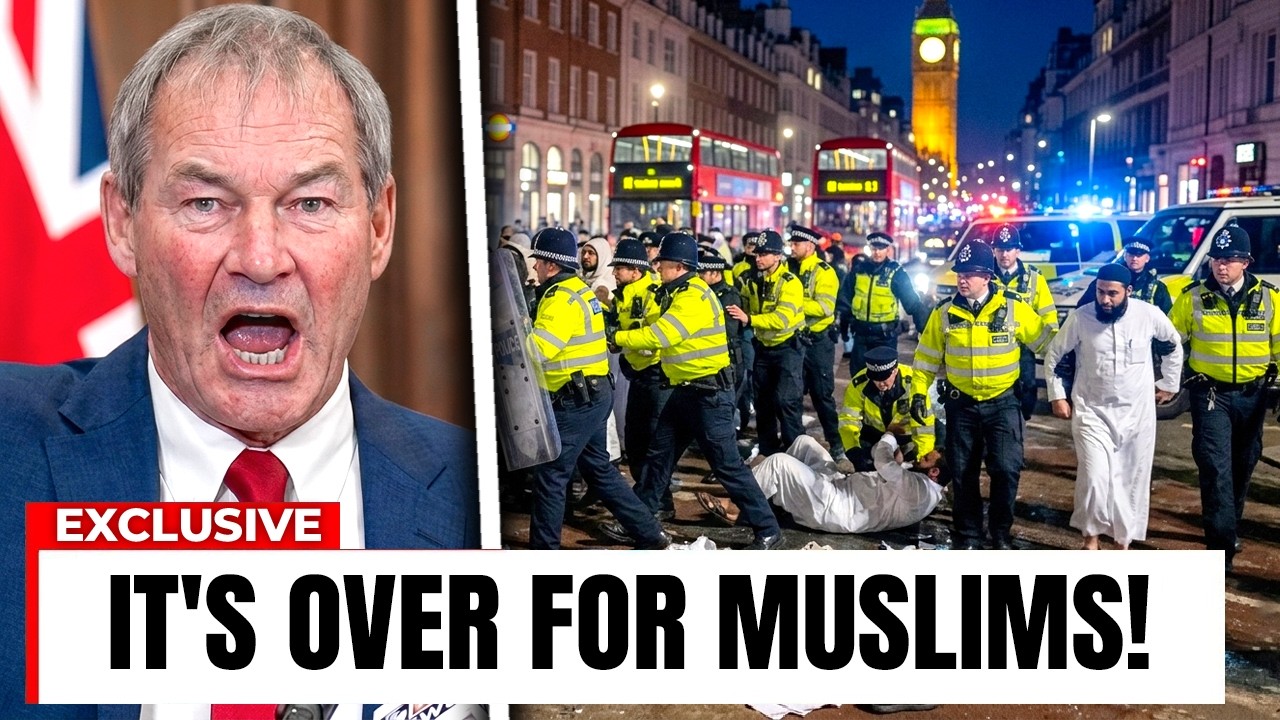
The core principle is straightforward. Anyone residing in the country—native or immigrant—must abide by its laws, respect its values, and contribute positively to society. Failure to do so, particularly in cases involving serious violations or refusal to integrate, should result in removal. This stance reflects growing public frustration over welfare systems perceived as overly generous to non-contributors.
Lowe emphasizes protecting vulnerable British citizens who genuinely cannot work, describing it as a moral duty. However, he criticizes the current welfare system for fostering dependency, trapping people in stagnation, and discouraging ambition. Restore Britain’s proposed reforms center on participation, rehabilitation, and clear expectations: if you can work, you must; if you can train, you will.
A particularly bold element of the plan involves foreign nationals. Under the proposals, non-British residents would lose access to benefits including Universal Credit, social housing, and disability support. The rationale is to eliminate pull factors that attract individuals who cannot or will not self-support, thereby reducing strain on public resources.
Integration and the Rule of Law
Lowe’s comments extend beyond economics to cultural and legal integration. He stresses that newcomers, particularly from regions with dominant religions that may clash with British norms, must fully integrate, follow laws, and embrace principles like “love thy neighbor.” Refusal leaves only one option: departure. This applies equally to illegal entrants and those who fail to uphold standards.
The rhetoric has drawn accusations of extremism, yet supporters argue it addresses undeniable realities. Videos of street disturbances, such as those in Bolton, are cited as evidence of failing integration and rising social tensions. Scenes of groups clashing in public spaces raise concerns about community cohesion and public safety.
Critics often frame such positions as “hardline,” but proponents counter that the UK’s current situation demands firm measures. Decades of lenient policies have reportedly led to welfare dependency, parallel societies, and eroded trust in institutions. Lowe’s message resonates with many who feel the social contract has been broken.
Welfare Reform as National Priority

Rebuilding welfare around contribution rather than entitlement forms a cornerstone of the vision. The system, according to Lowe, writes people off too easily and promotes reliance over self-reliance. Reforms aim to incentivize work and training while removing benefits from those who repeatedly refuse to engage.
For foreign nationals, the policy is absolute: no benefits. This is presented not as punishment but as basic fairness—guests should not burden the host nation. Removing these incentives could deter unsustainable migration and ease pressures on housing, healthcare, and services.
Such proposals tap into broader anxieties about demographic change and resource allocation. With public services stretched, many Britons question why resources should support those unwilling or unable to integrate productively.
The Vote Splitting Debate
Opponents of new political movements like Restore Britain frequently raise the specter of “vote splitting” on the right, claiming it weakens established parties. Commentators argue this narrative is a tired tactic designed to maintain the status quo between major parties.
Voting, however, is an individual right enshrined in the Bill of Rights. It belongs to citizens, not parties or strategists. Low turnout and voter apathy are identified as greater threats than fragmentation. Encouraging millions who usually abstain to participate could fundamentally shift political outcomes.
Historical census data highlights significant potential. Large numbers of people identifying as English could swing elections if mobilized. The real challenge lies in overcoming disillusionment and convincing citizens that their vote matters.
Social Tensions and the Path Forward
Incidents like those in Bolton underscore deeper problems. Clashes between migrant communities highlight failures in assimilation and the risks of unchecked inflows. Such events fuel demands for accountability and policy reversal.
Political commentators dismiss ethno-nationalist criticisms as distractions. The focus remains on practical governance: enforcing laws, reforming welfare, and prioritizing citizens. Peaceful democratic engagement through voting is urged as the preferable alternative to unrest.
Questions persist about electoral integrity, with some by-elections raising doubts. Restoring faith requires transparency and responsiveness to public concerns.
A Call for Engagement
The debate around Lowe’s positions reveals a nation at a crossroads. Frustration with mass migration, welfare abuse, and cultural fragmentation is palpable. While solutions must balance compassion with realism, the principle of reciprocity—contribution for residency—gains traction.
Ultimately, the conversation hinges on national identity and sustainability. Britain must decide whether to continue current trajectories or adopt firmer controls. As public discourse intensifies, citizen participation will prove decisive.