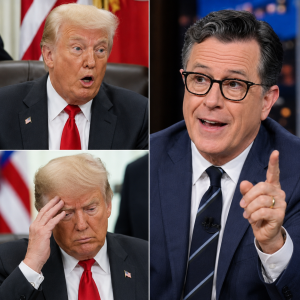
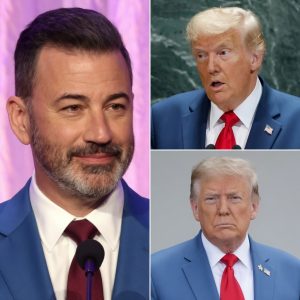
New York — For nearly a decade, few figures in American entertainment have proven as effective at puncturing Donald Trump’s public persona as Jimmy Kimmel and Alec Baldwin. Working from different stages — one behind a late-night desk, the other under the lights of Saturday Night Live — the two men have transformed Trump’s reactions themselves into a running commentary on power, ego and the limits of performance.
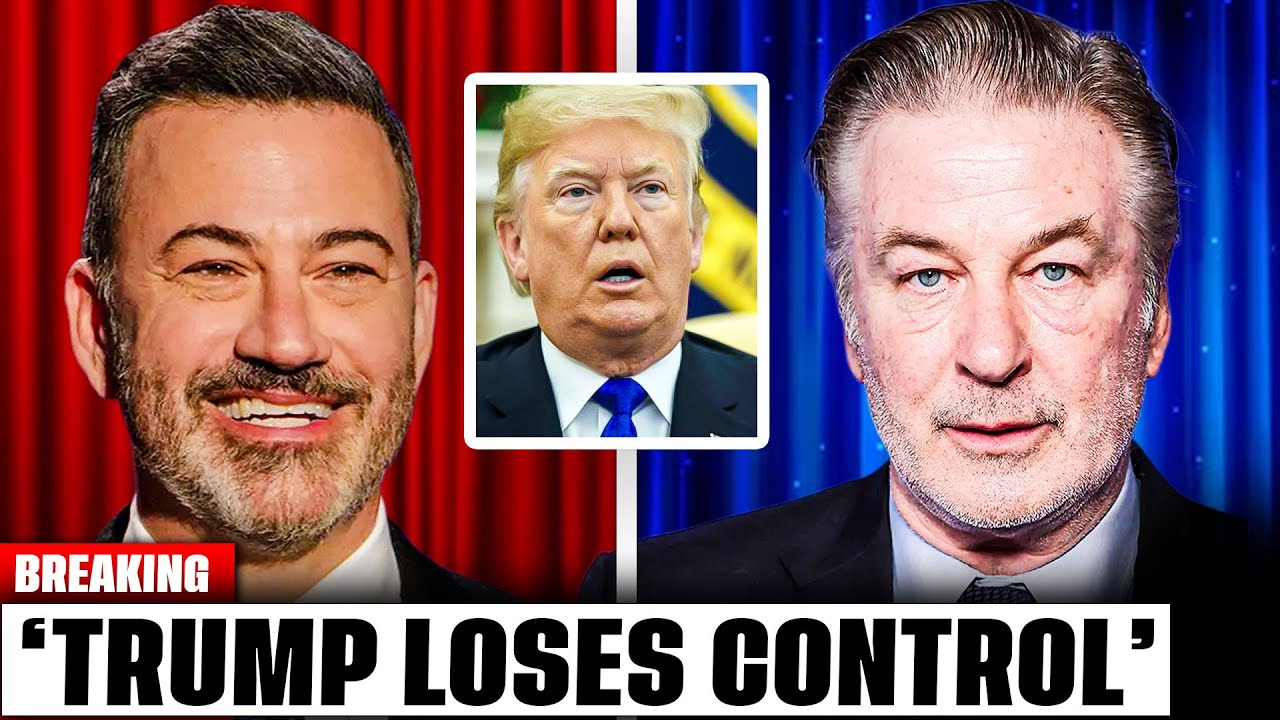
Their methods could not be more distinct. Mr. Kimmel’s comedy relies on juxtaposition and documentation. He rolls tape, quotes directly, and then allows a carefully placed joke to expose the contradiction. Mr. Baldwin’s satire, by contrast, is embodied. His Trump impression — pursed lips, clipped breaths, exaggerated bravado — distills years of political behavior into a physical caricature. Together, they have created what media critics describe as a feedback loop: Trump reacts to satire, the reaction becomes fresh material, and the cycle repeats.
The pattern dates back to the earliest days of Trump’s presidency. After Mr. Kimmel hosted the Oscars in 2017, he treated Hollywood’s biggest night as an opportunity to needle the new president. A playful on-air “tweet” directed at Trump quickly escalated into days of denunciations from the White House, with the former president criticizing ratings and mocking the host’s relevance. Each response only widened the audience for Mr. Kimmel’s next monologue.
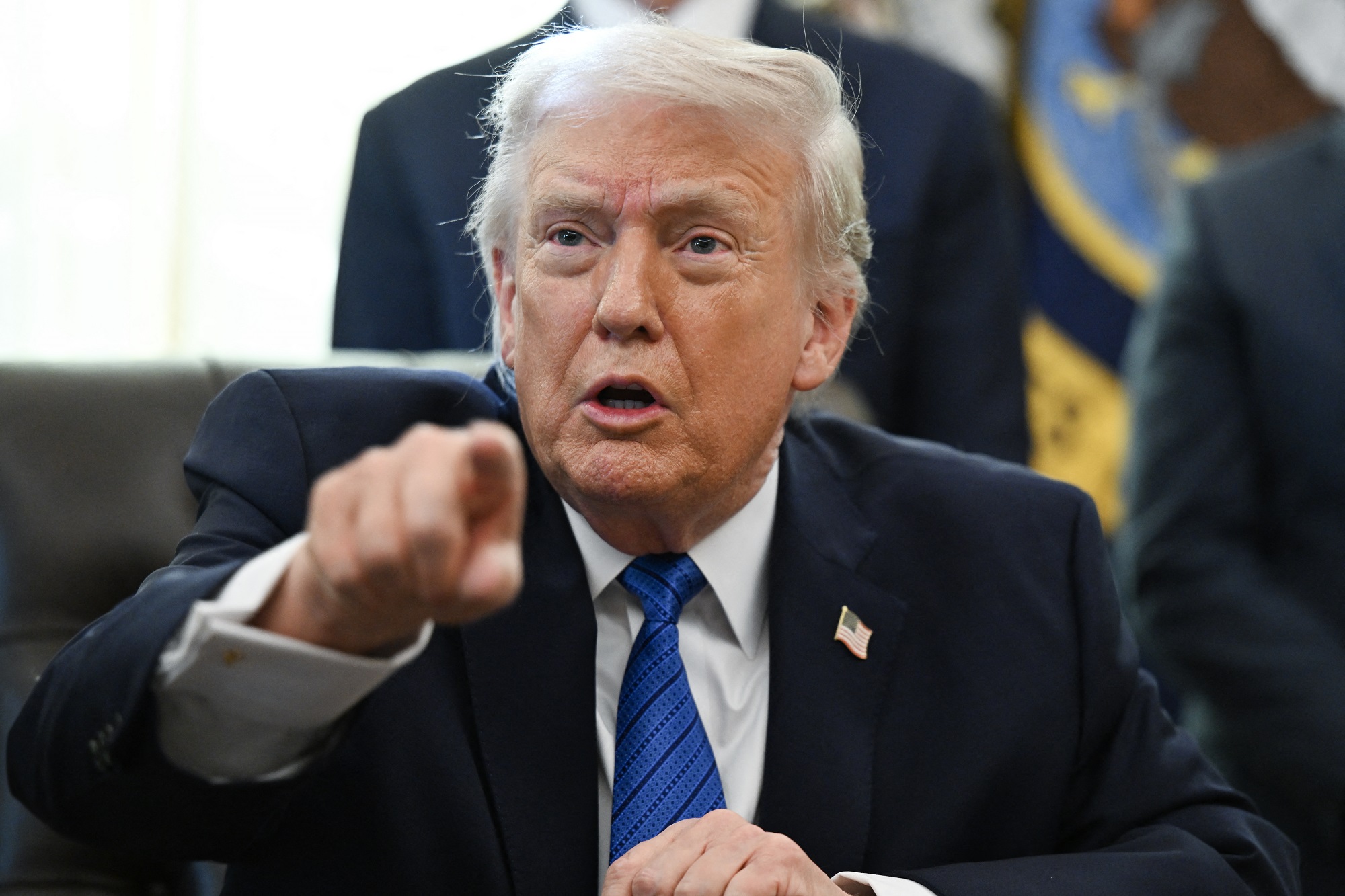
What Trump often failed to recognize, analysts say, was that indignation functioned as amplification. “Every public complaint became a promotional trailer,” said one television executive familiar with late-night ratings. Viewers tuned in not only for the joke, but for the aftermath.
Mr. Kimmel’s influence extended beyond ridicule when he used his platform to address policy. After his infant son underwent emergency heart surgery, the host delivered an emotional monologue arguing that no family should lose health coverage because of cost. The segment reframed a partisan debate in human terms, and lawmakers soon found themselves answering whether proposed legislation would pass what commentators dubbed “the Kimmel test.” It was a rare moment when a comedy show reshaped the language of public policy.
Mr. Baldwin’s contribution arrived through spectacle. When he debuted his Trump impression during the 2016 campaign, the effect was immediate. Viewers recognized not exaggeration, but emphasis. Baldwin did not invent Trump’s mannerisms; he magnified them. Over four years, the portrayal evolved into a study of insecurity masked as dominance, earning Mr. Baldwin an Emmy Award and near-constant attention from its subject.
Trump’s response followed a familiar script. He denounced the sketches as unfair and unfunny, while continuing to comment on them publicly — ensuring their reach. In doing so, he confirmed the central insight of Baldwin’s performance: that the president was acutely aware of his own image, and deeply wounded when it slipped from his control.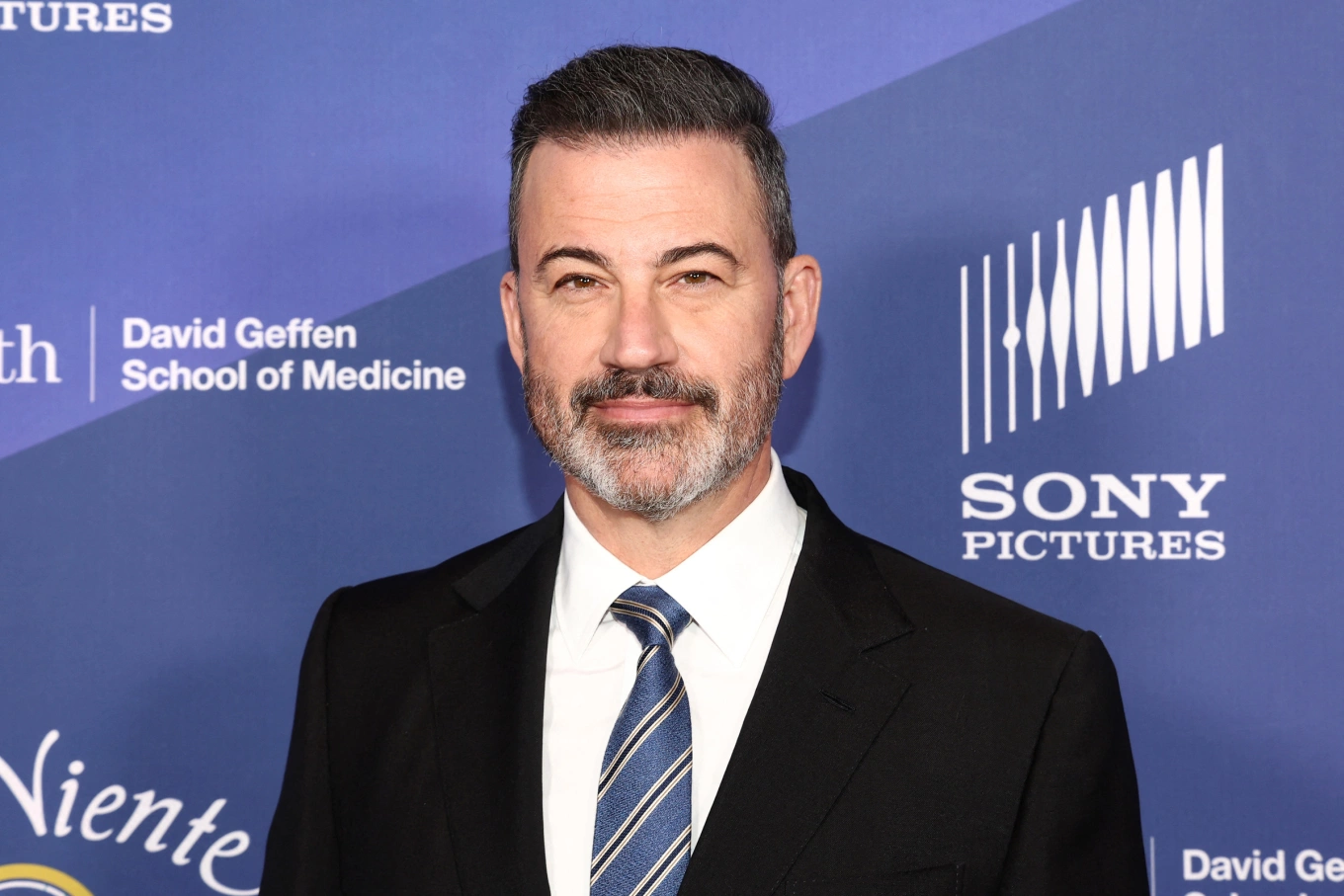
The overlap between Mr. Kimmel and Mr. Baldwin became most apparent when Baldwin appeared on “Jimmy Kimmel Live.” The two would dissect the psychology behind Trump’s outbursts, blending impression with evidence. Kimmel supplied the clips and court filings; Baldwin supplied the posture and voice. The audience laughed, but the underlying effect was diagnostic. Together, they mapped how grievance, repetition and spectacle functioned as political tools.
Critics of both men have accused them of contributing to polarization, arguing that satire hardens divisions rather than bridges them. Supporters counter that comedy has long served as a check on power, particularly when traditional accountability falters. What distinguishes Kimmel and Baldwin, defenders say, is their reliance on the public record. The jokes land because the facts are recognizable.
There is also an irony threading through the feud. Trump, Kimmel and Baldwin are all products of television. Each understands performance. The difference lies in interpretation. For Kimmel and Baldwin, performance is a lens — a way to reveal truth. For Trump, critics argue, performance often becomes a substitute for truth. That distinction explains why satire unsettles him: it exposes the mechanics of the act.
Even after Trump left office, the dynamic persisted. Legal troubles, election claims and ongoing media battles provided new material. Kimmel read indictment counts as if they were lottery numbers; Baldwin, though less frequent on SNL, continued to comment on Trump as a symbol of unresolved insecurity. Each Trump rebuttal revived the jokes it targeted.
In the end, the enduring impact of this comedic campaign may not be the laughter it generated, but the record it assembled. Night after night, sketch after sketch, it documented a presidency defined as much by reaction as by action.
Comedy did not defeat Trump politically. But it did something more subtle and perhaps more lasting: it froze certain moments in the public mind. The tweets, the tantrums, the boasts — replayed, reframed and remembered. In an age of information overload, that may be satire’s quietest power.
As one late-night producer put it, “The jokes weren’t the point. The receipts were.”