Homeland Security Secretary Faces Impeachment Threats After Contentious Hearing and Disputed Claims
WASHINGTON — Pressure mounted sharply on Kristi Noem, the Secretary of Homeland Security, after a confrontational House committee hearing and growing Democratic calls for impeachment tied to her public statements about two fatal immigration enforcement encounters in Minnesota and controversial funding decisions affecting major U.S. cities.
At a hearing on global threats to the homeland, lawmakers grilled Ms. Noem over immigration policy, domestic terrorism preparedness, and reductions in federal grants for emergency management and counterterrorism programs. The exchange grew especially heated when Representative Timothy Kennedy, Democrat of New York, challenged the administration’s decision to reduce Urban Area Security Initiative funding for New York City, long considered among the nation’s most prominent terrorism targets.
“Would you say New York City is susceptible to these kinds of security threats?” Mr. Kennedy asked. When Ms. Noem replied in the affirmative, he accused the department of knowingly making the city less safe by cutting more than $100 million from its homeland security allocation. Ms. Noem countered that states and cities had responsibility for their own public safety priorities and argued that immigration enforcement decisions were inseparable from broader security concerns.
The exchange, widely shared on social media and replayed on cable news, underscored a deepening partisan divide over homeland security policy and the Trump administration’s approach to immigration enforcement.
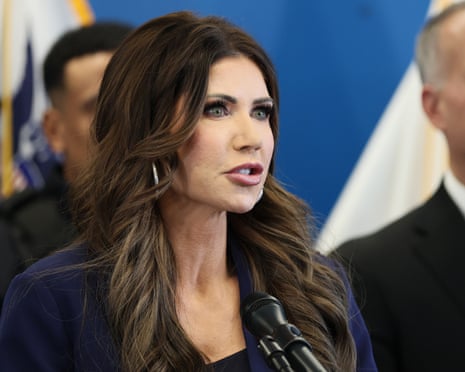
Impeachment Talk Gains Traction
Within hours of the hearing, senior House Democrats escalated their criticism. Leaders including Hakeem Jeffries, Katherine Clark, and Pete Aguilar publicly raised the possibility of impeachment proceedings if Ms. Noem is not removed by the White House.
The calls stem largely from her statements following two deadly encounters involving federal immigration agents in Minnesota. Ms. Noem described the victims, Renee Good and Alex Pretti, as posing serious threats to agents and characterized them using language associated with domestic terrorism. Subsequent video footage from the encounters, circulated online and reviewed by multiple media outlets, appeared to contradict key elements of that narrative, according to lawmakers and civil-rights advocates.
Representative Robin Kelly introduced a formal impeachment resolution alleging that the secretary knowingly made false statements in her official capacity and misled the public about the circumstances surrounding the deaths of American citizens. By late January, the resolution had attracted backing from a substantial majority of House Democrats, signaling unusually broad support for such a step within the caucus.
Disputed Facts and Video Evidence
At the heart of the controversy is a dispute over what occurred during the Minnesota enforcement operations. Federal authorities initially said agents acted in self-defense after individuals drove aggressively toward officers. Family members and community advocates disputed that account, and video recordings later circulated online appeared to show agents firing first, without vehicles posing an imminent threat.
Ms. Noem has not publicly recanted her statements, but her office has said she relied on preliminary briefings from law enforcement and emphasized that investigations remain ongoing. In appearances on conservative media outlets, she has defended the agents’ actions and accused critics of politicizing law enforcement.
Democrats argue that the emergence of video evidence fundamentally changes the issue. “This is not a policy disagreement,” said one senior House aide. “This is about whether the Secretary of Homeland Security told the truth about the deaths of U.S. citizens.”
Funding Cuts Add Fuel
The impeachment push has also been fueled by anger over reductions in funding for the Federal Emergency Management Agency and counterterrorism programs. New York officials say cuts to FEMA and urban security grants undermine preparedness at a time of heightened global instability.
Ms. Noem has argued that states and municipalities must shoulder greater responsibility and that federal funds should not subsidize jurisdictions that decline to cooperate with federal immigration authorities. That position has drawn fierce opposition from Democratic mayors and governors, who say the cuts amount to political punishment unrelated to actual security risk.
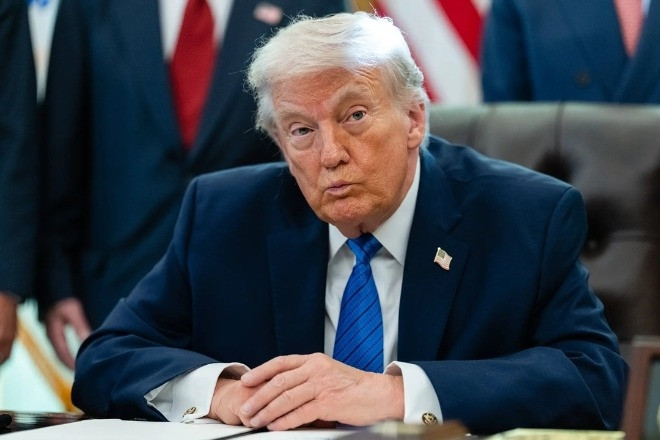
Republican Unease
While the impeachment effort remains largely partisan, some Republicans have called for further investigation. A handful of GOP lawmakers have said privately that discrepancies between official statements and video evidence warrant closer scrutiny, even if they stop short of endorsing impeachment.
That unease reflects broader tensions within the Republican Party over the administration’s immigration strategy, which has sparked protests in several states and drawn criticism from some law enforcement leaders concerned about community trust.
What Comes Next
Ms. Noem is scheduled to return to Capitol Hill in February for a follow-up oversight hearing, where she is expected to face detailed questioning about her statements, internal briefings, and the department’s handling of the Minnesota incidents. Lawmakers are also seeking internal communications to determine how initial narratives were formed and disseminated.
Impeachment remains a steep uphill climb in a divided Congress, and removal would require Senate conviction. Still, the breadth of Democratic support marks one of the most serious challenges faced by a Cabinet secretary in the current administration.
For the White House, the controversy adds to a growing list of political and legal headaches, from immigration court backlogs to strained relations with major cities. For Democrats, it offers a focal point for broader arguments about accountability, transparency, and the limits of executive power.
As one senior Democratic lawmaker put it, “This is about whether the country accepts a standard where officials can make inflammatory claims about dead Americans without consequence.”
Whether the pressure culminates in impeachment or fades amid partisan stalemate, the episode has already intensified scrutiny of the nation’s homeland security leadership — and underscored how video evidence and social media can rapidly reshape political narratives in Washington.






