U.S. Chases a Deal as Iran Walks Away
For months, Washington has projected confidence in its approach toward Iran, insisting that pressure and diplomacy could eventually produce results. Yet recent developments have painted a far more complicated picture, raising questions about whether the United States is negotiating from a position of strength or one of increasing urgency.
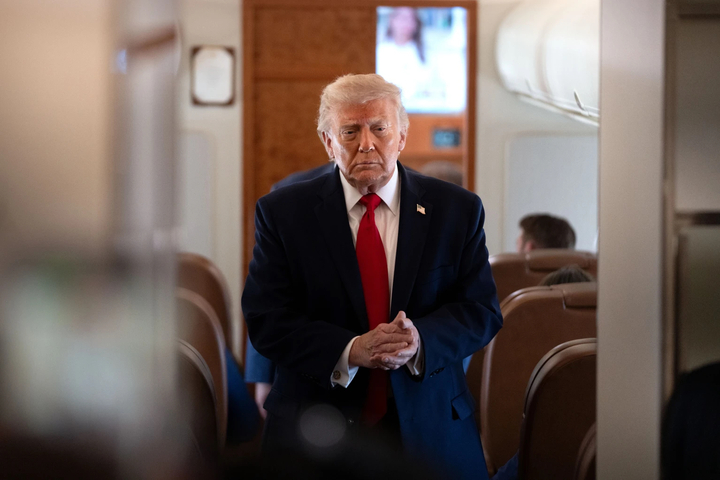
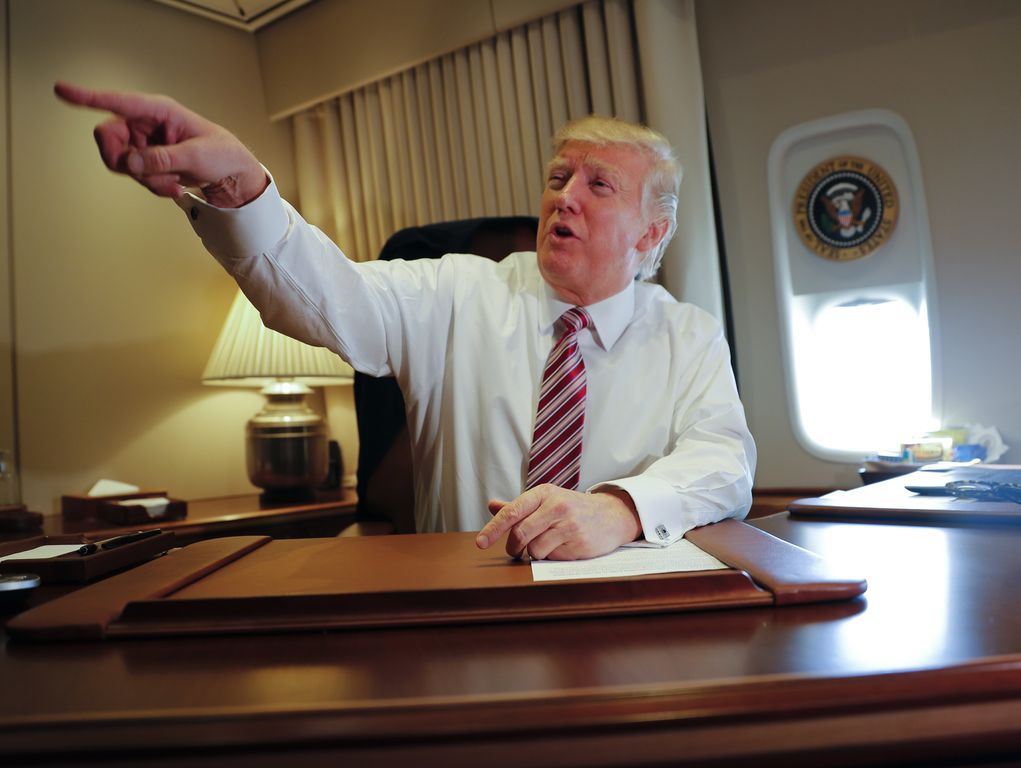
Over the past five days, President Donald Trump’s public comments regarding Iran have shifted repeatedly. At one moment, he suggested that a peace agreement was nearly complete. Shortly afterward, he indicated that negotiations still required significant work before any breakthrough could be achieved.
The messaging became even more confusing when he later claimed that talks had never actually stopped. Finally, his latest remarks implied that saying less might be the better strategy. Such rapid changes have left analysts and international observers struggling to understand Washington’s actual position.

Consistency is often considered one of the most valuable assets in international diplomacy. Governments carefully measure every statement because allies, rivals, and financial markets interpret those words as indicators of future policy. Mixed signals can create uncertainty that extends far beyond the negotiating table.
Meanwhile, Iran reportedly suspended negotiations, citing Israeli military actions in Lebanon as a major factor behind its decision. Whether temporary or long-lasting, the move represents another obstacle in an already fragile diplomatic process that has faced repeated setbacks over the years.
Despite Iran’s decision, reports suggest that the United States continues pursuing discussions through intermediaries. Indirect diplomacy has historically played an important role in relations between the two countries, particularly when direct political engagement becomes difficult or politically sensitive.
This contrast has fuelled criticism from some observers who argue that Washington increasingly appears eager to secure an agreement while Tehran feels comfortable delaying or suspending talks. In their view, the balance of leverage may not be as favourable to the United States as officials have suggested.

Others disagree with that interpretation. They argue that maintaining communication channels during periods of heightened tension demonstrates responsible diplomacy rather than weakness. Preventing escalation, they contend, often requires continued dialogue even when negotiations appear stalled.
Regardless of interpretation, one striking issue remains. The central dispute that has dominated relations between the two countries for years—the nuclear question—reportedly remains unresolved and is not even a primary subject of current discussions.
If accurate, this reality highlights the enormous gap separating temporary diplomatic efforts from a comprehensive political settlement. Small agreements may reduce immediate tensions, but they cannot eliminate the fundamental disagreements that originally created the crisis.
The economic dimension is equally significant. Regional instability has contributed to concerns over energy markets, with rising oil prices becoming an increasingly important issue for consumers and businesses alike. Every geopolitical shock in the Middle East tends to ripple across the global economy.
Higher energy costs affect transportation, manufacturing, agriculture, and household spending. In Canada, as in many countries, fluctuations in global oil markets can influence inflation, consumer confidence, and broader economic expectations despite domestic energy production.
The United States also faces questions regarding strategic petroleum reserves and long-term energy policy. Analysts note that prolonged regional instability can complicate efforts to stabilize fuel prices while simultaneously increasing pressure on policymakers seeking economic certainty.
Financial markets closely monitor every diplomatic development. Investors react not only to military events but also to political statements, negotiation updates, and official announcements. Even rumours of progress or failure can influence commodity prices within hours.
For international allies, uncertainty creates additional challenges. European governments, Asian economies, and Middle Eastern partners all have strategic interests tied to regional stability. Energy security, shipping routes, and investment decisions depend heavily on the geopolitical environment.
The broader regional picture remains equally complicated. Conflicts involving multiple actors make diplomatic solutions increasingly difficult because agreements between two parties may still be affected by actions taken elsewhere in the region.
Critics argue that the sequence of events has created an image of an America seeking a diplomatic breakthrough while Iran appears willing to wait for more favourable circumstances. Whether that perception reflects reality or political messaging remains a subject of debate.
Supporters of continued negotiations counter that diplomacy rarely follows a straight path. History offers numerous examples of peace agreements that appeared impossible until sudden breakthroughs occurred after months—or even years—of stalled discussions.
Nevertheless, expectations for a comprehensive agreement remain modest. Political realities on both sides, combined with regional security concerns, create significant obstacles that cannot easily be resolved through short-term negotiations alone.
Instead, analysts increasingly anticipate a pattern of temporary ceasefires, indirect talks, and periodic escalations. Such cycles have characterized many previous phases of regional diplomacy, producing moments of calm without fundamentally addressing underlying disputes.
This approach may reduce immediate risks, but it also prolongs uncertainty. Businesses, governments, and ordinary citizens continue operating in an environment where policy shifts and geopolitical tensions can rapidly alter economic conditions and strategic calculations.
For Washington, balancing national security objectives with domestic economic pressures represents a difficult challenge. Policymakers must consider international alliances, energy markets, political expectations at home, and the broader implications of every diplomatic decision.
For Tehran, preserving strategic interests while responding to regional developments remains equally complex. Any negotiation involves weighing immediate benefits against long-term political and security objectives, making compromise difficult for all parties involved.
Ultimately, the current situation suggests that a lasting resolution is unlikely in the near future. Temporary arrangements may emerge, communication channels may remain open, and periods of reduced tension may occur. However, as long as the core disagreements remain unresolved, the possibility of renewed confrontation will continue to shape the geopolitical landscape and influence global economic stability.






