Markets Challenge Assumptions as Canada Expands Economic Options Beyond Washington
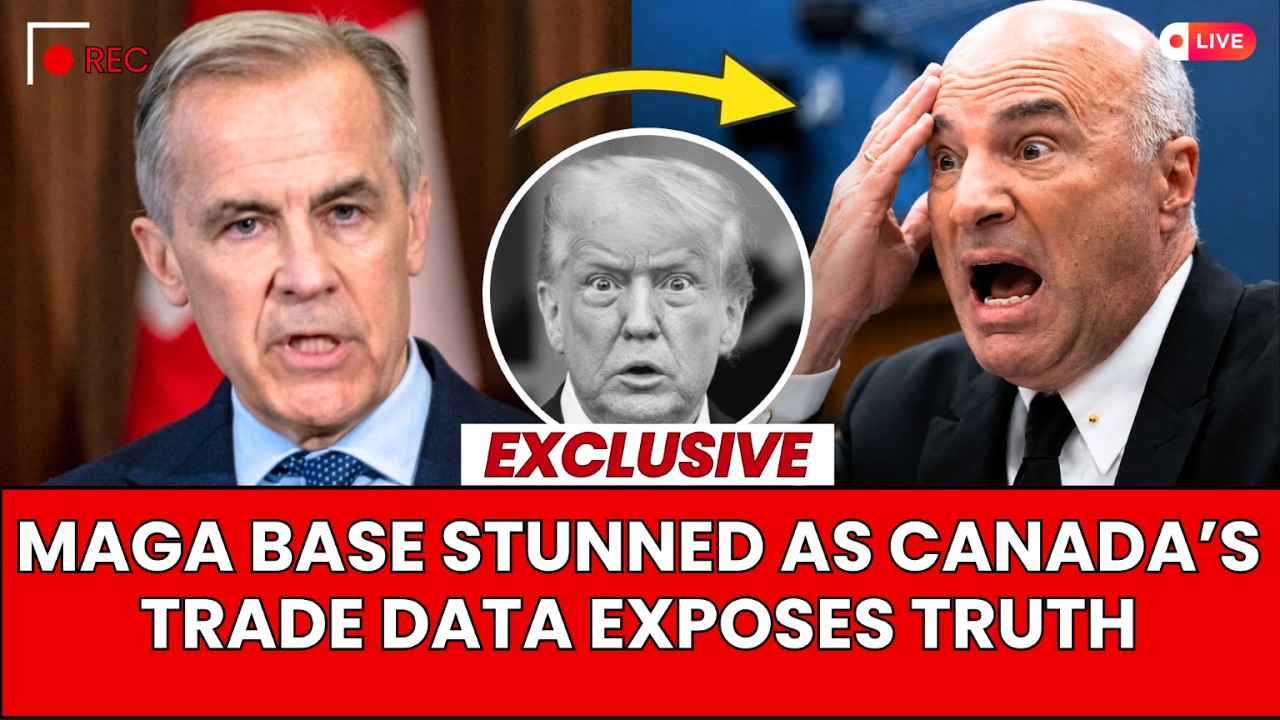
Canada’s economic strategy and its relationship with the United States have once again become the focus of national discussion following comments from Kevin O’Leary regarding the ongoing trade tensions between Ottawa and Washington. The debate has drawn attention because it touches on a central question facing Canadian policymakers: how much leverage does the United States truly hold over Canada in an increasingly fragmented global economy?
O’Leary argued that Canada remains heavily dependent on the American market, noting that a significant share of Canadian exports continues to flow south of the border. His comments came amid renewed discussion surrounding tariff threats from Donald Trump and growing uncertainty over the future direction of North American trade relations.
At the centre of the discussion is whether economic dependence automatically translates into political leverage. While O’Leary emphasized Canada’s continued reliance on U.S. markets, the broader economic developments described during the debate suggested a more complex picture emerging across multiple sectors.
In recent months, financial indicators highlighted in the discussion pointed to continued investor confidence in Canada. Rather than seeing a major withdrawal of capital, Canadian energy, mining, infrastructure, and industrial projects continued attracting investment despite ongoing tariff rhetoric from Washington.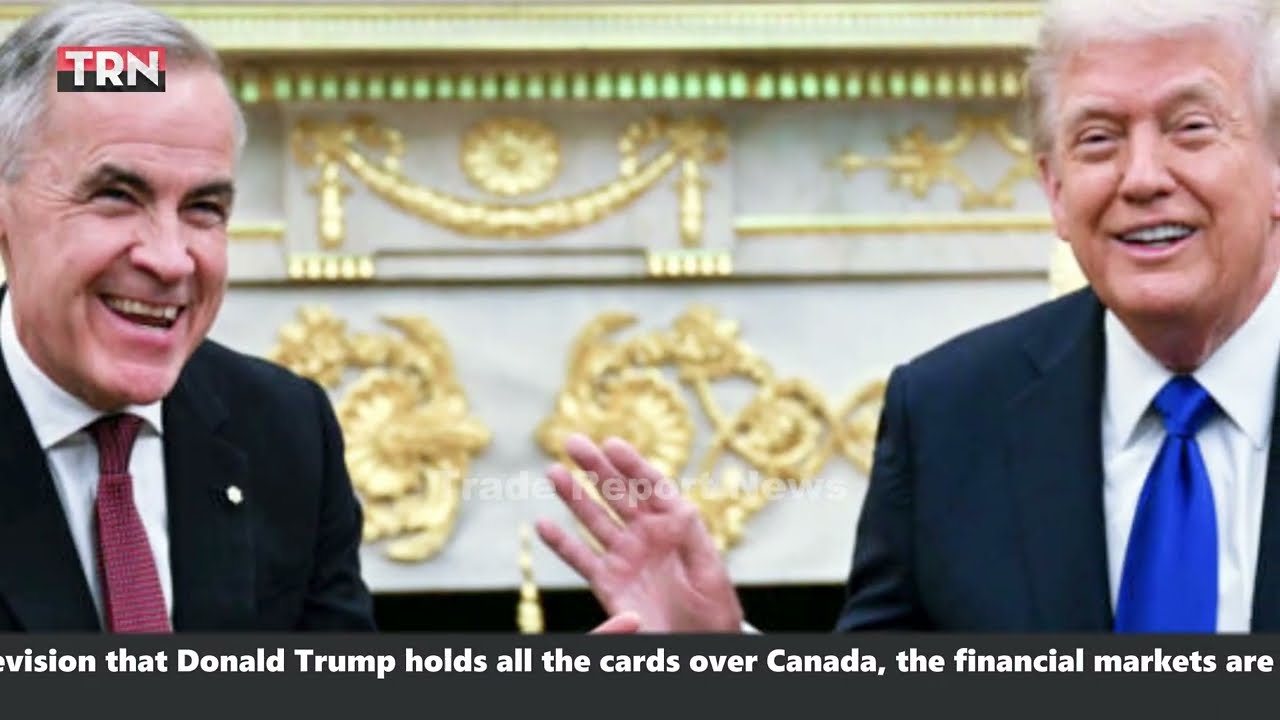
The argument gained additional attention after Trump appeared to shift his position regarding Canada’s expanding economic engagement with China. According to the transcript, public comments initially appeared supportive before subsequent tariff threats against Canadian goods revived concerns about the stability of bilateral economic relations.
Supporters of the Canadian government’s approach argue that market behaviour often provides a more reliable signal than political rhetoric. During the period discussed, the Canadian dollar strengthened and investment activity remained active, developments that many observers interpreted as evidence of resilience rather than vulnerability.
What stood out to many analysts was the suggestion that global markets increasingly view Canada as strategically important within a changing international economy. Investors appear to be paying closer attention to resource security, political stability, and dependable supply chains than to short-term political confrontations.
Canada’s position in sectors such as oil, natural gas, uranium, potash, hydroelectricity, aluminum, and critical minerals was repeatedly highlighted as a source of long-term value. These resources play important roles in defense production, advanced manufacturing, electric vehicle supply chains, and energy security across multiple regions.
The discussion also emphasized Ottawa’s efforts under Mark Carney to expand economic engagement with Europe and Asia. According to the transcript, the government has pursued deeper cooperation with partners including South Korea, Japan, India, and ASEAN economies while seeking to reduce vulnerability to external political shocks.
The evolving strategy has prompted renewed debate across Canada’s political landscape. Supporters view diversification as prudent risk management, while critics continue to argue that the American market remains irreplaceable in the foreseeable future.


Another important dimension of the discussion involved Canada’s trade relationship with China. The transcript described partial reopening of agricultural trade channels involving products such as canola and seafood, alongside conversations related to electric vehicle access and broader economic cooperation.
Government advocates maintain that these developments do not represent a shift away from the United States. Instead, they argue that Ottawa is attempting to ensure Canada is not dependent upon a single economic partner, particularly during periods of geopolitical uncertainty.
At the same time, O’Leary’s remarks highlighted another reality often overlooked in public debate. He acknowledged that many American states maintain extensive commercial relationships with Canada and that billions of dollars in goods and services cross the border every day.
For many observers, this reinforced the concept of economic interdependence rather than one-sided dependence. Canadian exports remain critical to numerous American industries, while U.S. businesses rely on Canadian inputs ranging from aluminum and energy to agricultural products and industrial materials.
The transcript suggested that this mutual reliance complicates any attempt to portray the relationship as one in which only one side possesses meaningful leverage. Disruptions affecting Canada could also affect manufacturing costs, energy prices, agricultural production, and supply chains within the United States.
Market participants appear to recognize this reality. Rather than responding to tariff threats with panic, investors have continued directing capital toward Canadian sectors viewed as strategically significant in a world increasingly focused on resource security and political stability.
As Ottawa expands investment in Arctic infrastructure, LNG capacity, Indo-Pacific partnerships, and critical mineral development, diversification has become more than a diplomatic objective. It is increasingly being framed as a national economic strategy intended to reduce long-term exposure to policy changes beyond Canada’s borders.
A significant portion of the discussion focused on Alberta’s growing role in this transformation. Comments from provincial investment officials suggested that China has become an increasingly important purchaser of oil shipped through the Trans Mountain Expansion pipeline, creating additional export opportunities outside traditional North American channels.
The transcript further described a Canadian trade mission involving federal and provincial representatives that resulted in discussions on agriculture, energy, petrochemicals, tourism infrastructure, and future investment opportunities. These developments were presented as evidence of Canada’s efforts to broaden its commercial relationships while maintaining existing partnerships.
Looking ahead, the political implications remain substantial. Questions surrounding trade diversification, resource exports, foreign investment, and Canada’s relationship with both Washington and Beijing are likely to remain prominent in national policy debates. As Ottawa continues pursuing new markets while preserving its deeply integrated relationship with the United States, the debate remains unresolved within Canada’s broader political landscape.






