Something significant appears to be happening in Canada.
For years, the country has been known for its close economic relationship with the United States, its role as a reliable international partner, and its reputation for stability in an increasingly uncertain world. But according to many observers, recent developments suggest that Canada may be entering a new chapter—one defined by greater independence, strategic diversification, and a willingness to rethink long-standing assumptions about its place in the global economy.
The conversation intensified following a recent address by Prime Minister Mark Carney, who spoke about the challenges and opportunities facing Canada in a rapidly changing world.
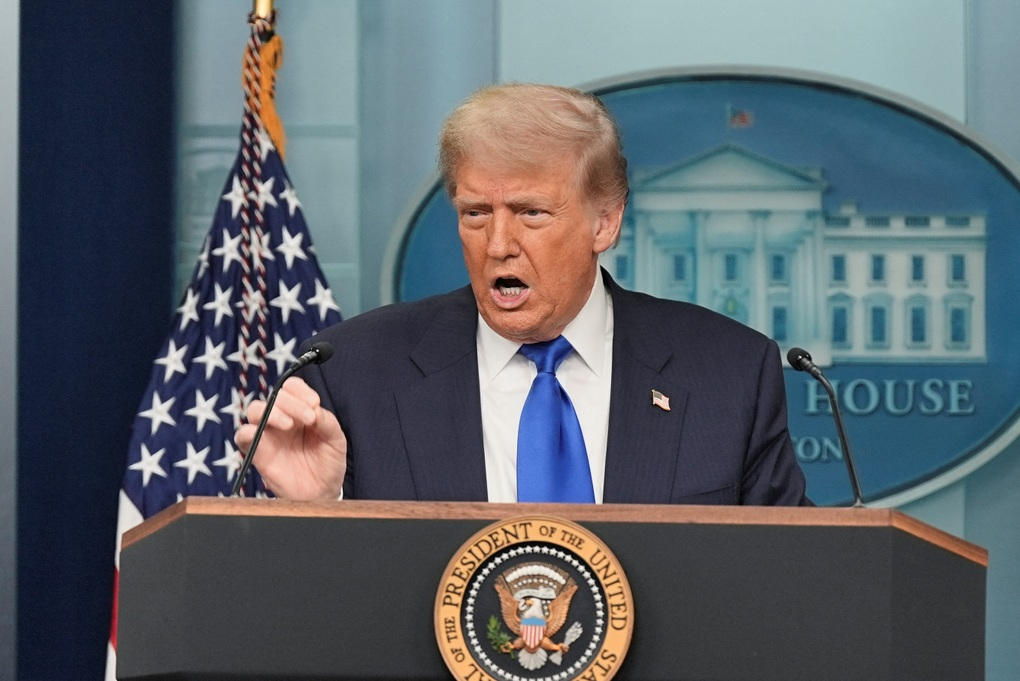
While the speech covered a wide range of issues, one message stood out above all others: Canada cannot assume that the future will look like the past.
For many Canadians, those words carried enormous significance.
The global landscape is shifting.
Trade relationships are evolving.
Geopolitical rivalries are becoming more intense.
New technologies are transforming industries at unprecedented speed.
And countries around the world are reassessing where their strategic interests lie.
Against that backdrop, Carney’s remarks were interpreted by many as a signal that Canada intends to adapt rather than simply react.
Political analysts described the speech as one of the clearest indications yet that Ottawa is exploring a broader vision for the country’s future.
At the heart of this discussion is Canada’s economic relationship with the United States.
No two countries share a larger trading partnership.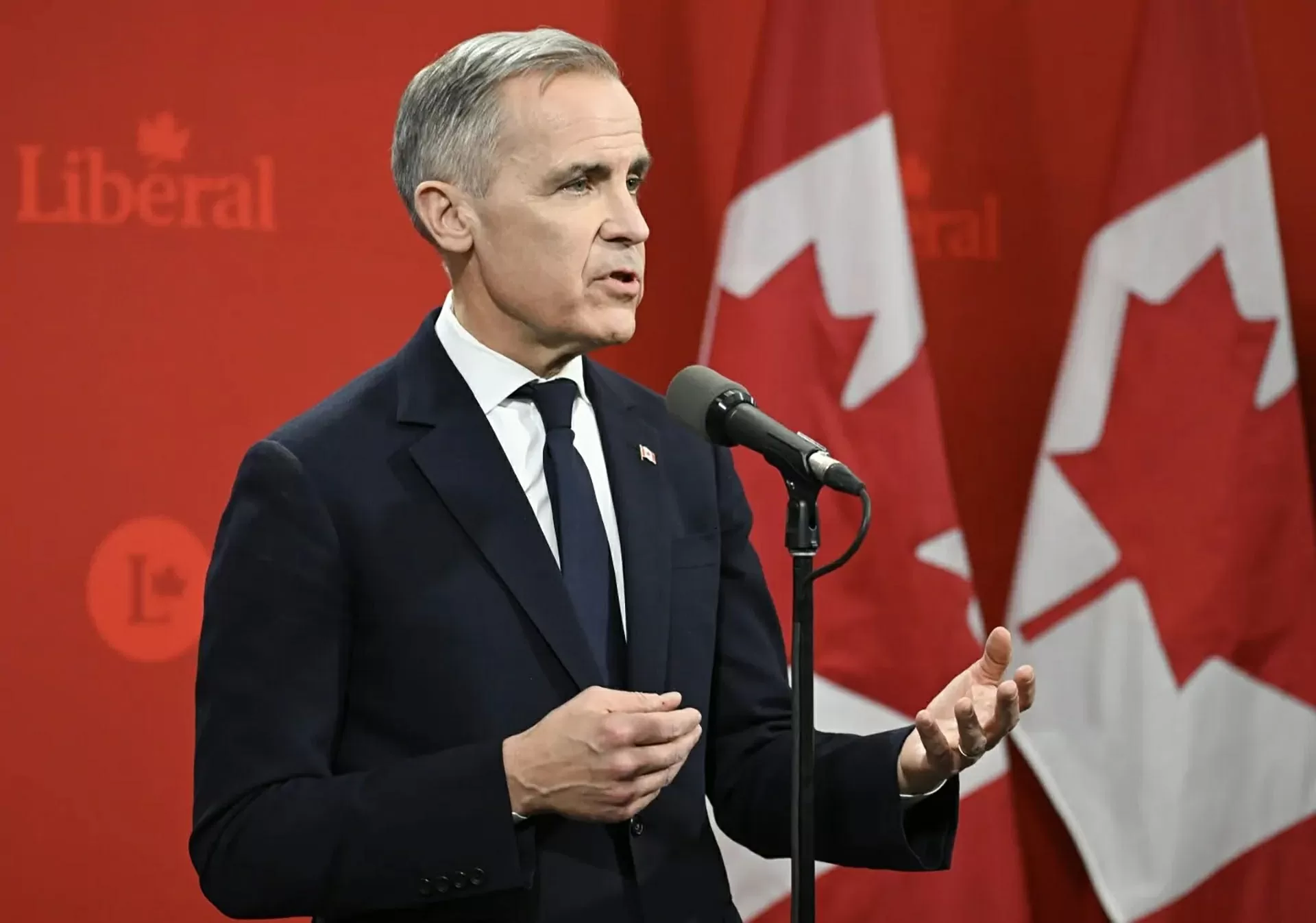
Every day, billions of dollars in goods and services cross the border.
Millions of jobs depend on this economic integration.
Yet recent years have also demonstrated the vulnerabilities that can emerge when a country becomes heavily dependent on a single market.
Trade disputes, tariff threats, supply chain disruptions, and political tensions have all highlighted the importance of economic resilience.
For some policymakers, that means expanding Canada’s options.
Rather than reducing ties with the United States, the goal appears to be creating additional opportunities elsewhere.
This includes strengthening relationships with Europe, Asia, Latin America, and emerging markets around the world.
Supporters argue that diversification is not a rejection of existing partnerships.
Instead, they see it as a practical strategy for reducing risk in an increasingly unpredictable global environment.
The discussion extends far beyond trade.
In recent months, Canadians have become increasingly engaged in conversations about economic sovereignty, domestic production, and national resilience.
Questions that once seemed abstract are now becoming part of everyday life.
Where products are made.
Who controls critical infrastructure.
How data is managed.
Which countries dominate emerging technologies.
These issues are no longer confined to academic debates or government policy papers.
They are influencing consumer choices, business decisions, and political conversations across the country.
Some economists believe Canada is experiencing the early stages of a broader transformation.
Rather than focusing solely on maximizing efficiency through global integration, governments and businesses are increasingly considering security, reliability, and long-term strategic interests.
The COVID-19 pandemic accelerated many of these trends.
Supply chain disruptions exposed vulnerabilities in essential sectors.
Suddenly, resilience became just as important as efficiency.
That lesson continues to influence policymaking today.
Technology is another major factor driving change.
Artificial intelligence, advanced manufacturing, clean energy, and digital infrastructure are reshaping global competition.
Countries that successfully position themselves in these sectors could enjoy significant economic advantages in the decades ahead.
The Canadian government has repeatedly emphasized the importance of investing in innovation and domestic technological capabilities.
Officials argue that future prosperity will depend not only on natural resources but also on knowledge, research, and technological leadership.
Carney’s recent comments appeared to reinforce that vision.
Observers noted that his remarks focused not only on current economic conditions but also on preparing Canada for the realities of the next generation.
Supporters see this as a sign of long-term thinking.
Critics, however, remain skeptical.
Some business leaders worry that efforts to reduce dependence on existing economic relationships could create unnecessary risks.
Others argue that Canada benefits enormously from its close integration with the American economy and should avoid policies that could weaken that connection.
There are also concerns about the costs associated with major economic transitions.
Building new supply chains, expanding trade networks, and investing in domestic industries can require substantial resources.
Success is never guaranteed.
As a result, debates over Canada’s future direction have become increasingly intense.
The issue has also begun to influence public behavior.
Across social media platforms, discussions about supporting Canadian products and domestic businesses have become more common.
For some consumers, purchasing decisions are evolving into expressions of economic values.
What was once a simple shopping choice is increasingly viewed through the lens of national priorities and economic resilience.
This shift reflects a broader trend visible in many countries.
Citizens are becoming more aware of how global events affect local economies.
International trade, geopolitical tensions, and technological competition are no longer distant concepts.
They directly influence jobs, prices, investments, and opportunities.
As a result, public interest in economic strategy has grown significantly.
International observers are paying attention as well.
Canada occupies a unique position among advanced economies.
It possesses vast natural resources, a highly educated workforce, strong institutions, and access to major global markets.
How Canada responds to emerging challenges could serve as a model for other countries facing similar questions.
Can nations remain deeply connected to the global economy while also strengthening domestic resilience?
Can economic diversification occur without damaging existing partnerships?
Can technological independence coexist with international cooperation?
These are the questions increasingly shaping policy discussions in Ottawa and beyond.
For Prime Minister Carney, the challenge will be turning vision into reality.
Speeches can set a direction.
Implementation determines success.
The coming years will reveal whether Canada can successfully navigate the transition from an economy heavily shaped by traditional relationships to one that is more diversified, technologically advanced, and strategically independent.
What is clear is that the conversation has already begun.
The debate is no longer limited to policymakers, economists, or political commentators.
It has spread into homes, workplaces, universities, and communities across the country.
Some Canadians see opportunity.
Others see uncertainty.
Many see both.
But regardless of where people stand, there is growing recognition that the world is changing—and Canada must decide how it intends to respond.
Whether this moment ultimately becomes a historic turning point remains to be seen.
Yet one thing is undeniable: Canada is reassessing its future in a way that few would have predicted just a few years ago.
And if the current trajectory continues, the decisions being made today could shape the country’s economic, political, and strategic direction for decades to come.






