Trump Orders Closure of Kennedy Center After Tumultuous Takeover, Triggering Cultural and Political Firestorm
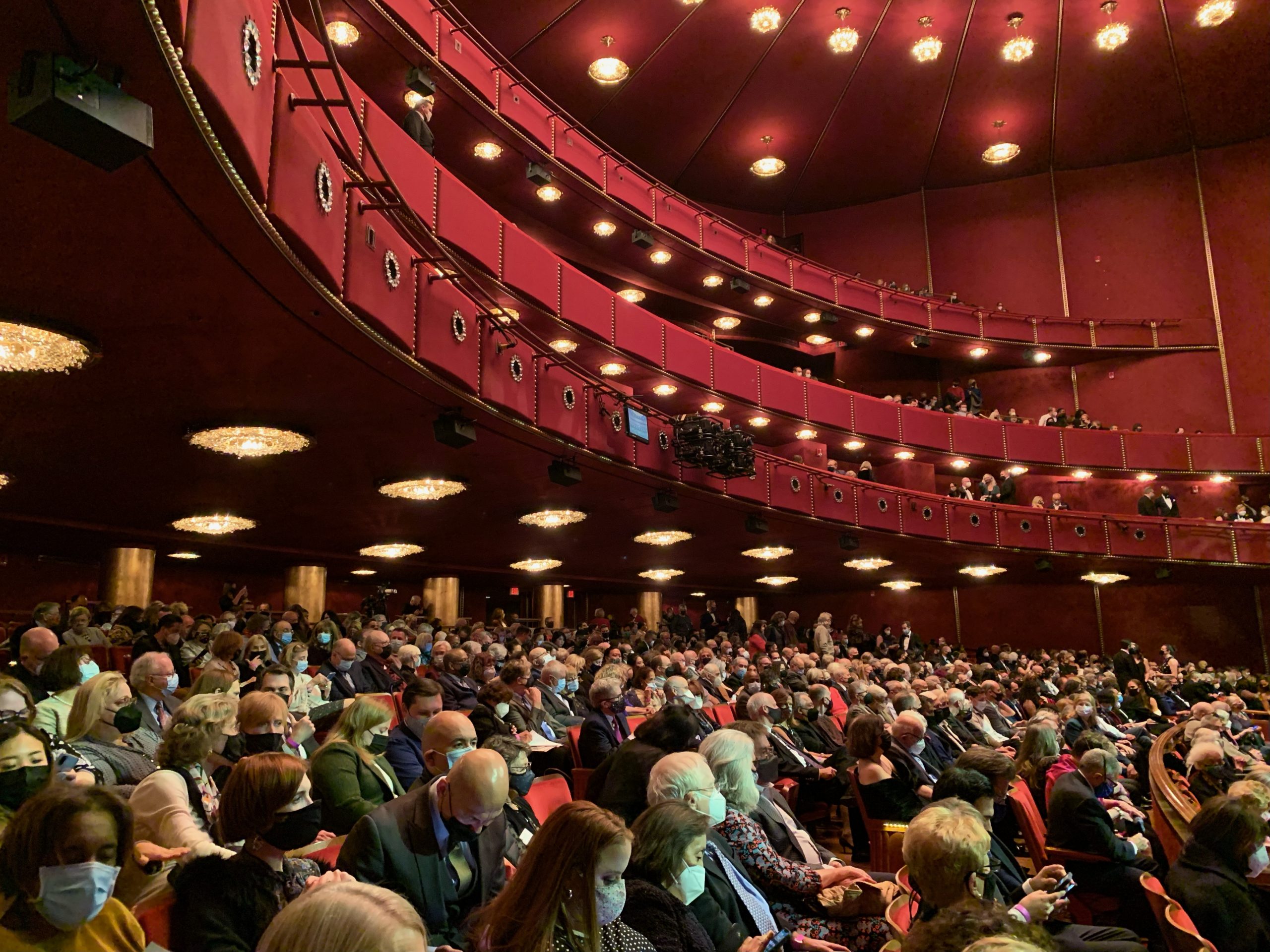
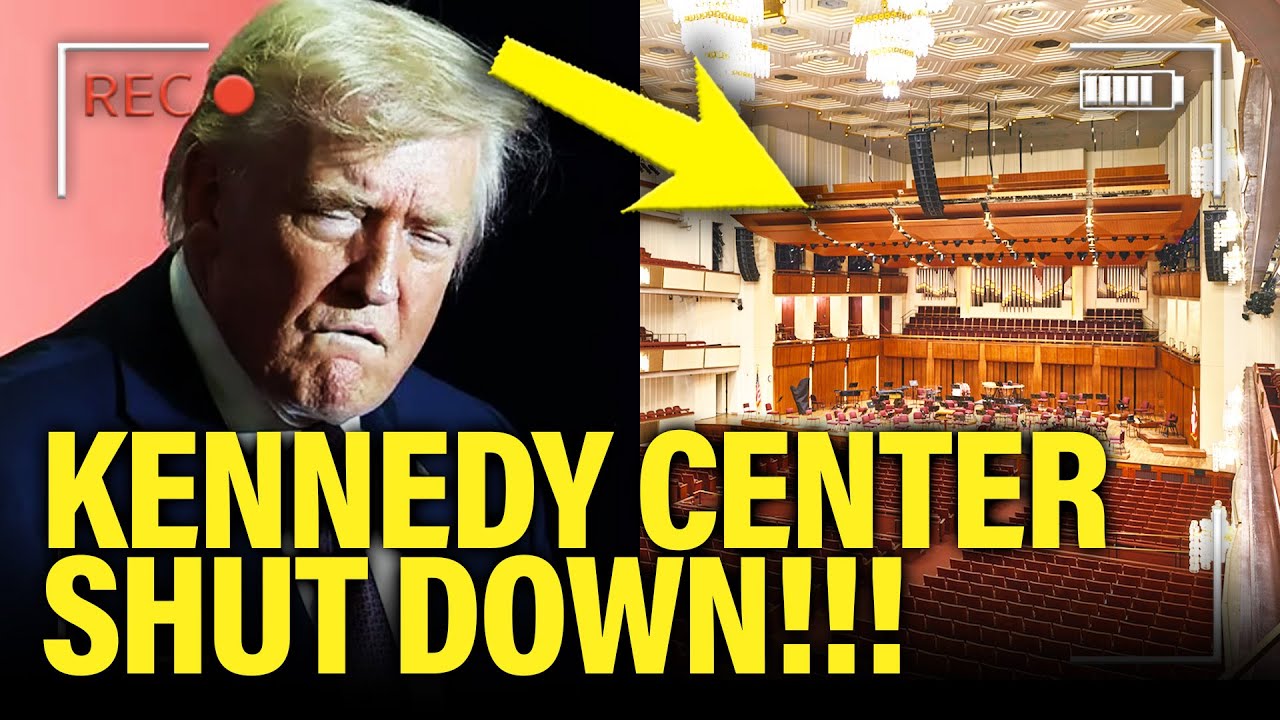
The John F. Kennedy Center for the Performing Arts, one of the nation’s most prominent cultural institutions and a living memorial to a slain president, is set to close for at least two years after former President Donald J. Trump announced plans to suspend all performances amid what he described as a sweeping “revitalization and rebuilding” effort. The decision follows months of mass staff resignations, board upheaval, and high-profile cancellations by artists who say the institution has been politicized beyond recognition.
In a statement posted online, Mr. Trump said that after a yearlong review involving contractors and “musical experts,” he had determined that shutting down the center entirely would be the fastest way to achieve what he called a transformation that would make the venue “the finest performing arts [center] of its kind anywhere in the world.” The closure, he said, would last approximately two years but could extend longer, subject to board approval.
The announcement capped a turbulent period for the Kennedy Center, which until recently had been financially stable, artistically active, and largely insulated from partisan conflict. Critics say the shutdown represents the culmination of an unprecedented and legally questionable effort by Mr. Trump to place his personal brand on a national cultural monument—an effort that has driven artists away and hollowed out the institution’s leadership.
A Contested Renaming and Rapid Fallout
The controversy began in December 2025, when Mr. Trump announced that the Kennedy Center would be renamed the “Trump Kennedy Center,” a move that legal scholars and former officials said exceeded presidential authority. The center was established by an act of Congress and formally named the John F. Kennedy Memorial Center for the Performing Arts following President Kennedy’s assassination. Any name change, they noted, would require congressional approval.
The rebranding was met with immediate backlash from artists, historians, and residents of Washington, many of whom described it as a desecration of a national memorial. “This is as close to sacred ground as exists in our federal government,” said one Washington resident at the time. “You don’t slap your name on it.”
Within weeks, Mr. Trump dismissed much of the Kennedy Center’s board and senior leadership, including longtime president Deborah Rutter and board chairman David Rubenstein. He installed Richard Grenell, a political ally with no background in arts administration, as chairman. The shakeup triggered a cascade of resignations among staff and advisers.
Kevin Couch, appointed as senior vice president of artistic programming, resigned after just five days. Ben Folds, the widely respected musician who served as artistic adviser to the National Symphony Orchestra, stepped down, warning that the takeover was an “authoritarian first step” aimed at commandeering cultural expression.
Artists Walk Away
As the leadership turmoil intensified, performers began canceling appearances in rapid succession. Renée Fleming, the Grammy-winning soprano, withdrew from two scheduled performances. Composer Philip Glass canceled the Kennedy Center premiere of his Symphony No. 15, writing that the center’s current values were “in direct conflict with the message of the symphony.”
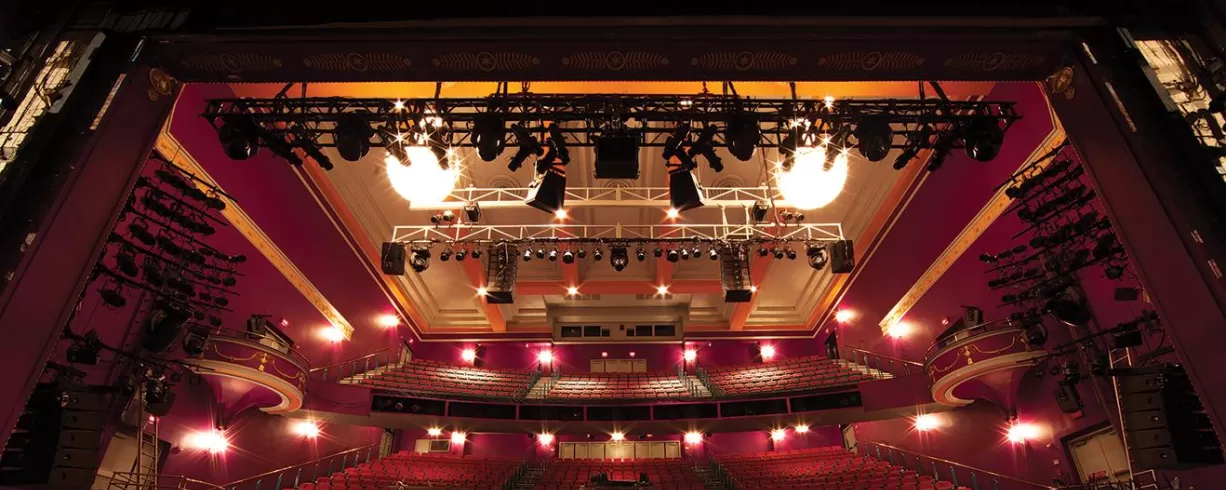
The Washington National Opera, a founding resident organization that had performed at the center continuously since its opening in 1971, announced it would leave. So did the Martha Graham Dance Company, the Seattle Children’s Theatre, Vocal Arts DC, and numerous ensembles and solo artists.
The musical Hamilton, one of the center’s most successful draws, released a detailed statement explaining its decision to cancel. “Some institutions are sacred and should be protected from politics,” the producers wrote, adding that decades of bipartisan neutrality had been destroyed by recent actions.
Even the United States Marine Band—known as “The President’s Own” and founded in 1798—canceled a planned collaboration, citing the administration’s withdrawal of support for diversity- and equity-based programming.
Financial Questions and Historical Contrast
The Kennedy Center had not been in financial distress before the takeover. While it receives federal funding for maintenance and security, its programming is largely supported through ticket sales, donations, and endowments. Former officials say the center was operating successfully and profitably.
Mr. Trump has not specified how the proposed renovation would be funded or whether public money would be involved. He has suggested that private partners could play a role, prompting concerns about donor influence and transparency.
The center has closed only once in its history for a prolonged period—from March to September 2020 during the COVID-19 pandemic. Otherwise, it has operated continuously since opening on September 8, 1971, under presidents of both parties.
“This is not a building that needed saving,” said a former senior staff member who requested anonymity. “It’s a building that needed stability.”
A Pattern Critics Recognize
Opponents of the shutdown argue that the episode fits a long-standing pattern in Mr. Trump’s business history: attaching his name to institutions or ventures that later collapse. Over the decades, Trump-branded enterprises ranging from Trump University and Trump Vodka to multiple casinos, hotels, airlines, and retail products have failed or declared bankruptcy.
Ron Philipkowski, editor in chief of the Midas Touch Network, summed up the criticism succinctly: “Who could have predicted that the guy who bankrupted so many businesses by slapping his name on them would bankrupt the Kennedy Center?”
Supporters of Mr. Trump reject that framing, saying the closure is a necessary reset after what they describe as years of elitism in the arts. They argue that the renovation will ultimately produce a more accessible and grand institution.
Broader Implications
Cultural historians warn that the Kennedy Center episode signals something larger than an administrative dispute. “When a government moves to control artistic institutions, it’s never just about programming,” said one scholar of authoritarian systems. “It’s about shaping expression.”
Mr. Trump’s announcement comes as he faces renewed scrutiny over newly released Epstein-related documents, in which his name appears thousands of times, a fact that critics say has heightened his incentive to dominate the media narrative.
For now, the lights at the Kennedy Center are set to go dark—not because of war, pandemic, or natural disaster, but because of a political struggle over culture, memory, and power.
Whether the building will reopen in two years, as promised, or whether it will emerge recognizable to the artists and audiences who once filled its halls remains an open question. What is clear is that a national cultural treasure has become the latest front line in America’s deepening political divide.






