Pauline Hanson Says Australia Is at a Crossroads as One Nation Gains Momentum
Australia’s political landscape is showing signs of significant change, and few politicians are drawing as much attention as Pauline Hanson. As support for One Nation continues to grow in several opinion polls, Hanson believes the country has reached a critical turning point.
For years, Australia’s political system has largely been dominated by Labor and the Coalition. However, increasing frustration among voters has opened the door for alternative voices to gain traction across the nation.
According to Hanson, many Australians feel disconnected from the major parties. She argues that ordinary citizens are struggling with rising living costs, housing affordability issues, and concerns about the country’s future direction.
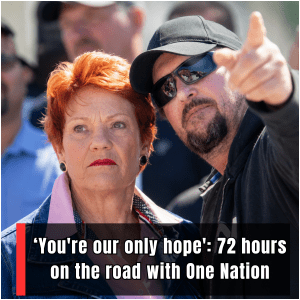
During a recent journey across various communities, Hanson met with voters from different backgrounds. The conversations revealed a common theme: many people feel their concerns are no longer being heard by Canberra.
Small business owners spoke about financial pressures that have intensified over recent years. Rising operating costs, energy prices, and economic uncertainty have left many questioning whether current policies are working.
Families also shared concerns about the cost of everyday essentials. From groceries to housing expenses, many Australians say they are finding it increasingly difficult to maintain their standard of living.
Hanson believes these frustrations are contributing to One Nation’s growing popularity. She argues that voters are searching for alternatives because they are dissatisfied with traditional political solutions.
The veteran politician has long positioned herself as a voice for Australians who feel overlooked by mainstream politics. Her message continues to resonate with voters seeking change.
One Nation’s recent polling gains have sparked debate among political analysts. While some caution that polls can fluctuate, others acknowledge that the party’s support reflects genuine public dissatisfaction.

Hanson warns that Australia faces serious challenges if current trends continue. She argues that economic pressures, infrastructure demands, and social divisions require bold leadership rather than more of the same policies.
Throughout her travels, Hanson encountered voters who expressed concerns about national identity, immigration, and government spending. These issues remain central to her political platform.
Supporters believe One Nation offers practical solutions to problems that have been ignored for too long. They see the party as willing to address controversial topics that larger parties often avoid.
Critics, however, argue that some of Hanson’s positions are divisive and oversimplify complex issues. They contend that meaningful solutions require cooperation and long-term planning rather than political confrontation.
Despite the criticism, Hanson remains confident. She insists that increasing support for One Nation demonstrates a growing appetite for change among Australian voters.
Political observers note that dissatisfaction with major parties is not unique to Australia. Across many democracies, voters have increasingly turned to alternative parties when they feel traditional institutions are failing to deliver results.
The coming election cycle could therefore become a crucial test of whether One Nation’s momentum can translate into electoral success. Poll numbers may indicate interest, but votes ultimately determine political power.
For Hanson, the message is clear. She believes Australia must embrace a new direction if it hopes to avoid economic decline and restore confidence among its citizens. Her campaign focuses on convincing voters that change is not only desirable but necessary.
As One Nation continues to attract attention and challenge the established political order, the debate over Australia’s future is becoming increasingly intense. Whether voters choose to remain with the traditional parties or embrace an alternative path, one thing is certain: the conversation about change is far from over.






