Joly’s Defence Procurement Review Raises New Questions About Canada’s Industrial Future and Strategic Independence
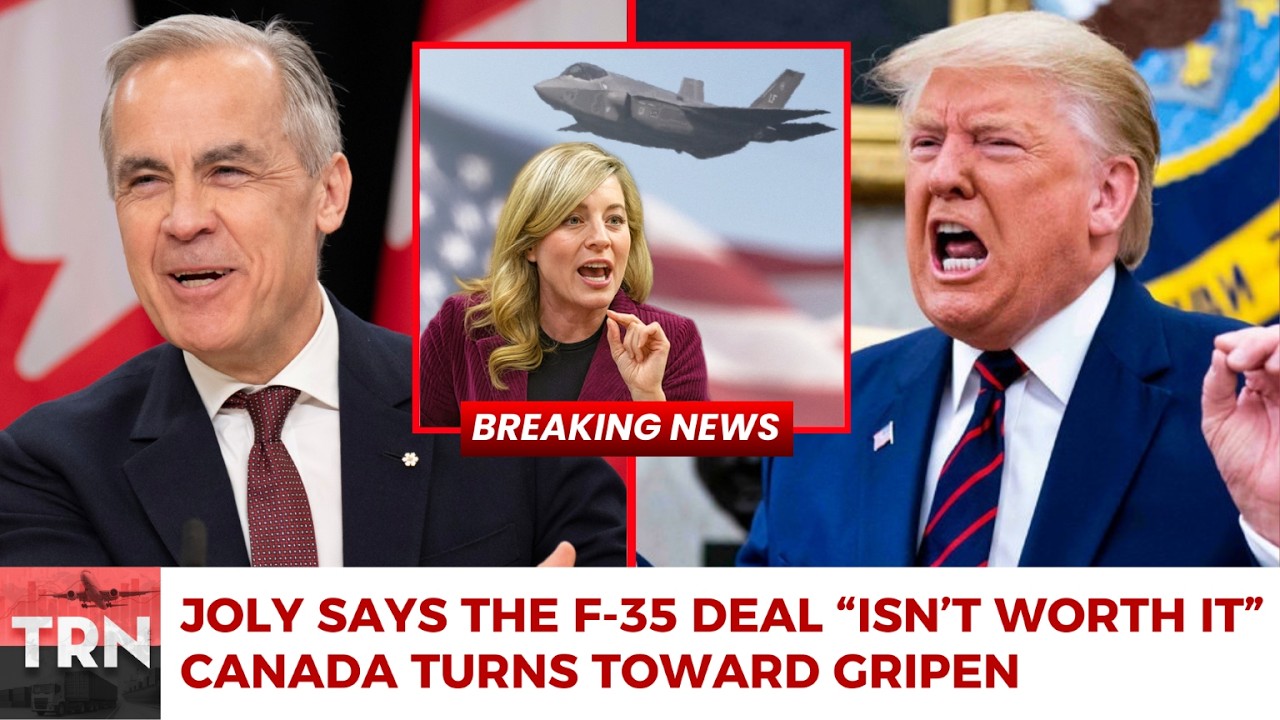
Canada’s defence procurement strategy has come under renewed national attention after Industry Minister Mélanie Joly signalled concerns about the industrial benefits associated with the F-35 fighter jet program. The discussion has emerged at a time when Ottawa is reassessing economic resilience, supply-chain security, and long-term defence partnerships amid an increasingly uncertain global environment.
The debate centres on whether Canada is receiving sufficient domestic economic returns from its participation in the U.S.-led F-35 program. According to the information presented, Joly argued that the arrangement has not delivered the level of job creation and technology transfer many policymakers expected, prompting renewed examination of alternative procurement options.
In recent months, questions surrounding defence spending have prompted renewed debate across Canada’s political landscape. Supporters of a broader review contend that military procurement decisions should not only address operational capability but also strengthen domestic manufacturing capacity and support high-skilled employment across the country.
One option receiving increased attention is the Gripen E fighter aircraft developed by Saab. The proposal reportedly includes domestic assembly commitments and substantial industrial participation opportunities for Canadian firms. Advocates argue that such arrangements could help rebuild segments of Canada’s aerospace and defence manufacturing base while reducing dependence on foreign-controlled supply chains.
The discussion has also highlighted wider questions about economic sovereignty. Policymakers in Ottawa have increasingly emphasized the importance of securing domestic capabilities in strategic industries, particularly as geopolitical tensions and trade disputes continue to affect international supply networks.
Critics of relying too heavily on a single foreign supplier argue that supply-chain disruptions can create vulnerabilities for national defence planning. They contend that a diversified procurement strategy may provide greater flexibility while strengthening Canada’s industrial ecosystem over the long term.
At the same time, supporters of the F-35 program maintain that interoperability with allied forces remains a significant consideration. They argue that participation in a multinational platform offers strategic advantages and provides access to advanced technologies that could be difficult to replicate through alternative arrangements.
The issue has therefore evolved beyond a simple aircraft competition. It has become part of a broader conversation about how Canada balances defence requirements, economic development goals, and strategic independence in an increasingly competitive global environment.


Alongside the fighter jet debate, Prime Minister Mark Carney has continued expanding Canada’s international defence relationships. A newly announced security and defence cooperation partnership with South Korea represents Canada’s first defence agreement of its kind in the Indo-Pacific region and reflects Ottawa’s broader diversification strategy.
The agreement has attracted attention because of its potential industrial implications. South Korean defence firms reportedly expressed interest in major joint ventures involving submarine construction and artillery production, initiatives that supporters believe could create substantial economic activity while enhancing Canada’s defence capabilities.
Observers note that these developments reflect a wider shift in Canadian policy thinking. Rather than focusing exclusively on traditional North American defence relationships, Ottawa appears increasingly interested in building a network of partnerships across multiple regions and sectors.
The approach has also intersected with Canada’s growing focus on critical minerals. As global competition for strategic resources intensifies, Canadian policymakers have emphasized the country’s importance as a supplier of materials essential to advanced manufacturing, defence technologies, and clean-energy industries.
Questions surrounding critical minerals have become particularly significant in relations with the United States. While American investment has flowed into several Canadian resource projects, the underlying assets continue to operate within Canada’s legal and regulatory framework, reinforcing Ottawa’s influence over key supply chains.
Meanwhile, trade diversification has emerged as another central theme in the federal government’s strategy. Facing ongoing tariff pressures from the United States, Canada has pursued a series of initiatives designed to reduce economic vulnerability and expand access to international markets.
Among those efforts are expanded economic engagement with Mexico and discussions aimed at strengthening economic cooperation with the European Union. Federal officials have presented these initiatives as part of a long-term effort to broaden Canada’s commercial opportunities beyond any single market.
Supporters of the government’s approach argue that diversification offers greater resilience during periods of geopolitical uncertainty. They maintain that wider market access can help protect Canadian industries from sudden policy changes or trade disruptions originating abroad.
Opposition voices and industry stakeholders, however, continue to examine the costs and risks associated with major procurement and industrial commitments. Some have called for additional transparency regarding expected economic returns, while others have urged caution before altering established defence acquisition plans.
Throughout the discussion, federal officials have generally offered a carefully measured response, emphasizing that Canada must simultaneously protect national security interests, support domestic industry, and maintain strong international partnerships. That balancing act has become increasingly complex as global competition intensifies.
The evolving debate has also raised broader concerns about government accountability, particularly regarding how major defence expenditures translate into long-term economic benefits for Canadian workers and businesses. These questions are likely to remain central as Ottawa evaluates future procurement decisions.
For now, the combination of fighter jet procurement, critical minerals policy, Indo-Pacific engagement, and trade diversification has created a larger conversation about Canada’s place in the global economy. The choices made in these areas could influence industrial development and strategic policy for decades.
While supporters and critics continue to offer competing assessments of the government’s direction, the debate remains unresolved within Canada’s broader political landscape.






