 ]
]
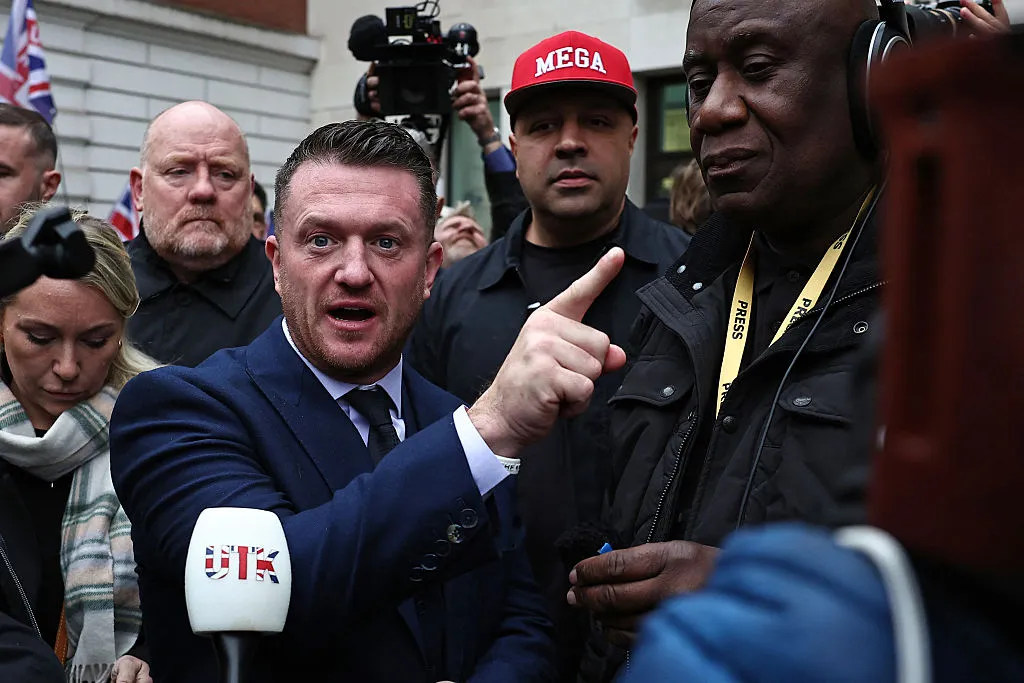
LONDON — Tommy Robinson has once again thrust himself into the center of Britain’s volatile political conversation, delivering a sharp critique of Prime Minister Keir Starmer that quickly reverberated across social media and beyond.
In a recent public appearance, the controversial commentator and activist accused Starmer’s government of leading the country toward difficult and unwanted choices on issues many Britons feel have been sidelined for too long.
Robinson focused on immigration, national identity, strains on public services and mounting economic pressures. He argued that ordinary citizens are growing increasingly frustrated with decisions made in Westminster that feel disconnected from everyday realities.
His remarks struck a chord with segments of the population that believe mainstream politicians have avoided honest discussion on these topics. At the same time, they drew swift condemnation from critics who accused him of stoking division and inflaming tensions.
The episode highlights the deep fractures running through British society more than a year into Starmer’s tenure. Labour’s victory in the last general election promised stability and renewal, yet persistent challenges have tested public patience.
Robinson portrayed a country at a crossroads, where concerns about rapid demographic change, housing shortages, NHS waiting lists and cultural cohesion can no longer be dismissed as fringe issues. He suggested that many voters now face realities they never anticipated when casting ballots in recent years.
Supporters cheered the speech as a rare moment of plain speaking. They praised Robinson for voicing frustrations they believe established parties have ignored or downplayed in favor of political correctness.
Detractors, including Labour figures and anti-racism campaigners, condemned the remarks as inflammatory. They argued that Robinson’s rhetoric risks exacerbating community tensions and distracts from constructive policy debate.
The reaction online was immediate and polarized. Hashtags related to the speech trended rapidly, with thousands of posts both defending and denouncing the activist. Mainstream media outlets offered varying degrees of coverage, reflecting the country’s divided media landscape.
Starmer’s government has faced growing scrutiny over its handling of immigration. Small boat crossings in the Channel remain a potent political issue, while integration challenges in some communities continue to make headlines.
Economic pressures have compounded public unease. Inflation, stagnant wages in certain sectors and a cost-of-living squeeze have left many families feeling squeezed despite Labour’s promises of change.
Public services, particularly the National Health Service, continue to struggle with long waiting times and staffing shortages. These strains fuel broader anxiety about whether Britain’s social contract remains sustainable.
Robinson’s intervention taps into a current of discontent that extends beyond traditional party lines. Polls have shown significant portions of the electorate, including some Labour voters, expressing concern over immigration levels and cultural shifts.
Yet his history as a polarizing figure complicates the conversation. Robinson, whose real name is Stephen Yaxley-Lennon, has faced multiple legal convictions and remains a lightning rod for accusations of extremism from opponents.
His supporters counter that the legal cases represent persecution aimed at silencing dissent. They view him as a defender of free speech and working-class interests against elite indifference.
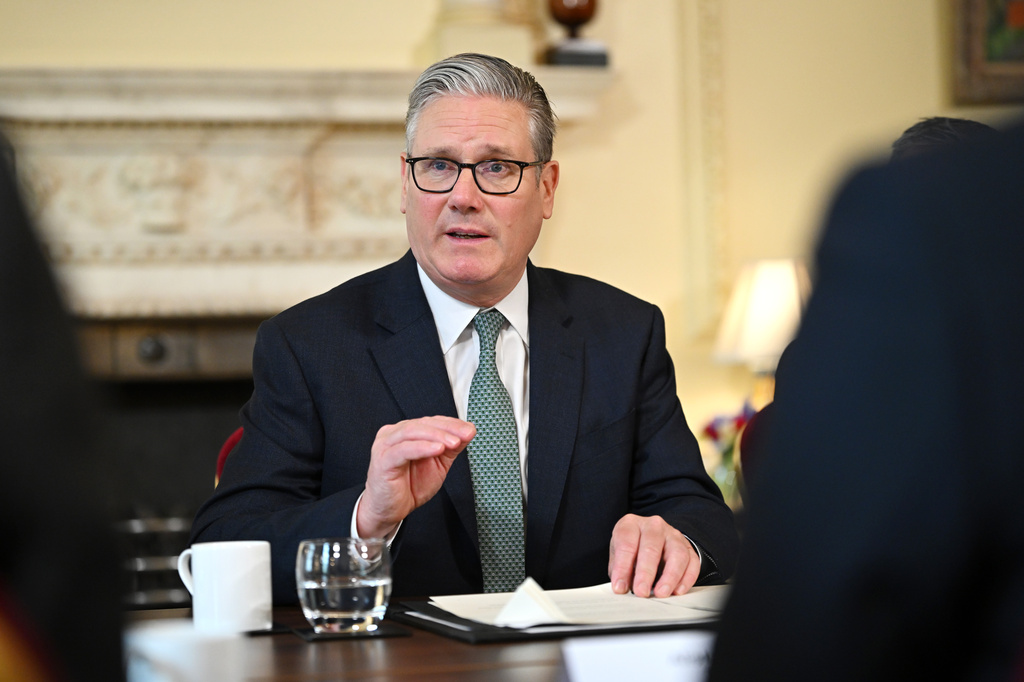
The renewed debate comes at a sensitive time for Starmer. His government is navigating budget decisions, international commitments and domestic reform efforts while trying to maintain a broad electoral coalition.
Some analysts suggest Robinson’s ability to command attention reflects deeper failures in mainstream politics. When legitimate grievances are not addressed openly, they argue, more confrontational voices gain traction.
Others warn that amplifying such figures risks normalizing divisive rhetoric and undermining social cohesion in an already fragmented society.
Britain’s multicultural reality has delivered undeniable benefits alongside genuine challenges. Integration success stories coexist with pockets of parallel communities where British values feel distant.
Economic data paints a mixed picture. While headline growth figures have been modest, regional disparities and sectoral weaknesses have left many communities behind.
The prime minister has repeatedly emphasized the need for calm, evidence-based policymaking. His government has introduced measures aimed at border security and economic stabilization, though critics say the pace has been too slow.
As the controversy swirls, Robinson’s intervention has added fresh momentum to conversations about national identity and the limits of tolerance in 21st-century Britain.
Whether his critique represents a genuine reflection of public sentiment or the amplification of grievance remains hotly contested.
What is clear is that immigration, culture and economic fairness will remain central battlegrounds in British politics for the foreseeable future.
The episode serves as a reminder of the passions these issues continue to arouse. As Britain charts its post-Brexit course, reconciling competing visions of national identity will test the country’s democratic resilience.
For now, Tommy Robinson has succeeded once again in ensuring that uncomfortable questions remain firmly on the table, whether Westminster likes it or not.
(Word count: 712)