Finance Committee Clash Raises New Questions About Spending, Accountability and Economic Messaging in Ottawa
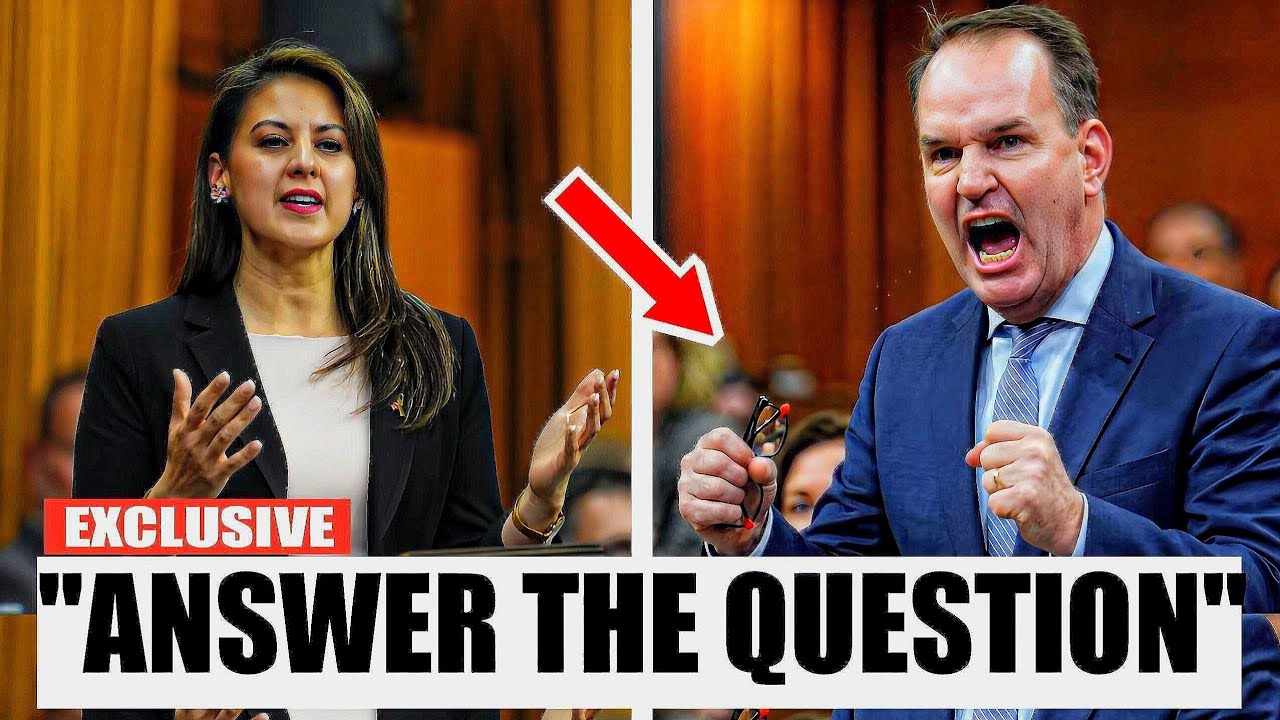
Political scrutiny intensified in Ottawa this week after a tense exchange at a House of Commons committee placed government spending, economic conditions and ministerial accountability back at the centre of federal debate. The hearing featured Conservative MP Sandra Cobena questioning Transport Minister Steven MacKinnon about reported catering costs associated with prime ministerial travel and broader concerns regarding government spending.
The exchange attracted national attention because it unfolded against a backdrop of affordability concerns and ongoing debate about Canada’s economic performance. Opposition members argued that taxpayers are increasingly focused on government expenditures at a time when many households continue to face financial pressure.
During the committee hearing, Cobena repeatedly sought details regarding food and catering expenses connected to trips taken by Prime Minister Mark Carney. She referenced approximately $200,000 in catering expenses across three trips and questioned whether sufficient oversight existed regarding those costs.
MacKinnon responded that government travel follows established regulations and guidelines. He maintained that procedures governing official travel are applied consistently and indicated that relevant rules are available for review. His answers, however, did not provide a specific average cost figure for meals during prime ministerial travel.
The discussion quickly expanded beyond travel expenses and became a broader debate about government priorities. Cobena argued that Canadians facing affordability challenges expect greater transparency regarding public expenditures, particularly when economic uncertainty remains a significant concern.
MacKinnon, for his part, defended the value of international travel by senior government officials. He argued that trips undertaken by the Prime Minister contribute to foreign investment opportunities, infrastructure partnerships and economic development initiatives that can generate benefits for Canadians.
The minister repeatedly highlighted Canada’s attractiveness as an investment destination, linking international engagement efforts to business development opportunities, job creation and regional economic growth. He suggested that such outcomes should be considered when evaluating the costs associated with official travel.
As the exchange continued, tensions increased between the two parliamentarians. Cobena maintained that her questions concerned spending levels and accountability, while MacKinnon emphasized the broader economic objectives pursued through government travel and international outreach.

Another point of contention emerged when Cobena questioned whether the Prime Minister’s personal financial resources should influence how certain expenses are viewed. She argued that Canadians who are being asked to manage rising living costs expect political leaders to demonstrate restraint in their own spending practices.
MacKinnon rejected that characterization and instead focused on Carney’s public service record. He pointed to the Prime Minister’s career in public institutions and argued that his decision to serve in government reflected a commitment to national interests rather than personal gain.
The hearing also touched on concerns involving executive bonuses and oversight within federally connected organizations. Opposition MPs sought clarification regarding approval processes and accountability mechanisms, arguing that Canadians expect clear answers when public money is involved.


Beyond spending questions, the committee devoted significant attention to Canada’s economic outlook. Conservative MPs pressed the minister on whether recent economic data supports characterizing the country as being in a recession.
Questions about economic performance highlighted widening divisions within Parliament regarding the government’s assessment of current conditions. Opposition members pointed to shrinking GDP figures and argued that Canadians deserve a more direct description of the challenges facing the economy.
MacKinnon offered a carefully measured response, emphasizing external pressures and economic headwinds rather than embracing the terminology used by his critics. He argued that Canada’s economy faces unique circumstances because of its deep integration with the United States.
The minister also suggested that comparisons with other economies should account for Canada’s geographic and economic relationship with its largest trading partner. Opposition members remained unconvinced and continued pressing for a more definitive answer.
The exchange underscored how economic messaging has become an increasingly important political battleground in Ottawa. Government ministers have sought to focus attention on long-term investment and growth strategies, while opposition MPs have concentrated on present-day affordability concerns and economic indicators.
Observers noted that the hearing raised broader concerns about government accountability and the effectiveness of parliamentary oversight. Committee proceedings are often one of the few venues where ministers face sustained questioning from opposition members on specific spending decisions and policy choices.
At the same time, the government continues to argue that investments, international engagement and economic partnerships are necessary to support future prosperity. Ministers have repeatedly emphasized foreign investment, infrastructure development and business confidence as key priorities.
For Conservatives, however, the committee exchange provided another opportunity to challenge the government’s record on spending and economic management. Their questioning reflected a broader strategy focused on affordability, fiscal discipline and transparency.
The debate also demonstrated how seemingly narrow issues, such as travel expenses, can evolve into larger discussions about leadership, public trust and economic stewardship. Both sides used the hearing to reinforce competing narratives about the government’s performance and priorities.
As Parliament continues its work, the political implications of the exchange are likely to extend beyond a single committee session. Questions surrounding government spending, economic conditions and ministerial accountability remain central issues for both government and opposition parties. While strong disagreements were evident throughout the hearing, the debate remains unresolved within Canada’s broader political landscape.






